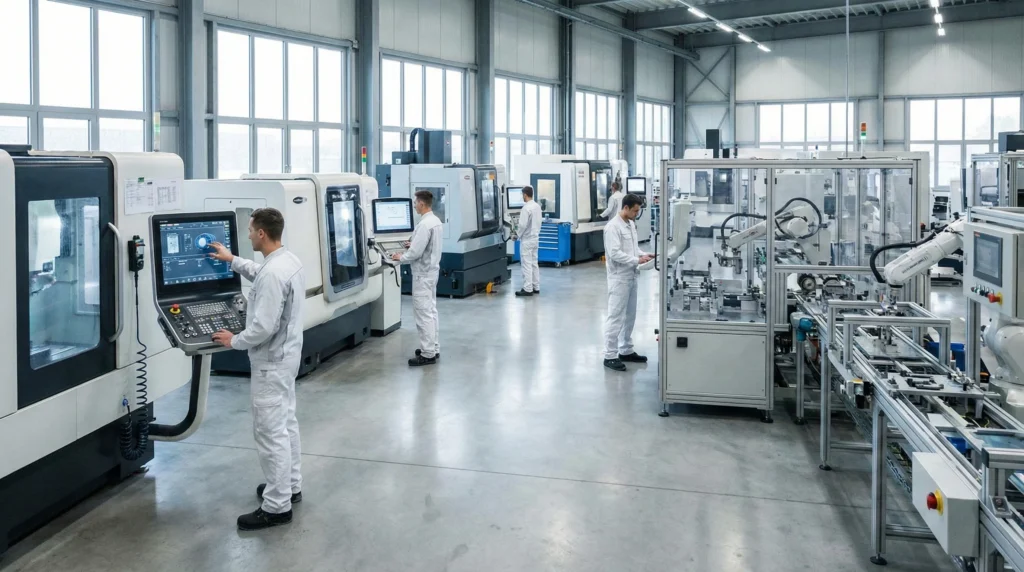
In today’s highly competitive manufacturing industry, efficiency and productivity are key factors for success. To achieve these goals, many manufacturers are turning to shop floor control software systems. These powerful tools enable businesses to streamline their production processes, monitor real-time data, and make informed decisions to optimize their operations. In this ultimate guide, we will explore the ins and outs of shop floor control software systems, from their definition and importance to the features to look for and the steps for successful implementation. So let’s dive in and discover how these systems can revolutionize your manufacturing floor.
Understanding Shop Floor Control Software Systems
Before delving into the specifics, let’s start by examining what shop floor control software systems are and why they are crucial for modern manufacturing businesses. At its core, shop floor control software is a comprehensive solution that allows manufacturers to manage and control their production floor activities effectively. It helps businesses gain real-time visibility into their operations, track work orders, monitor inventory levels, and coordinate processes.
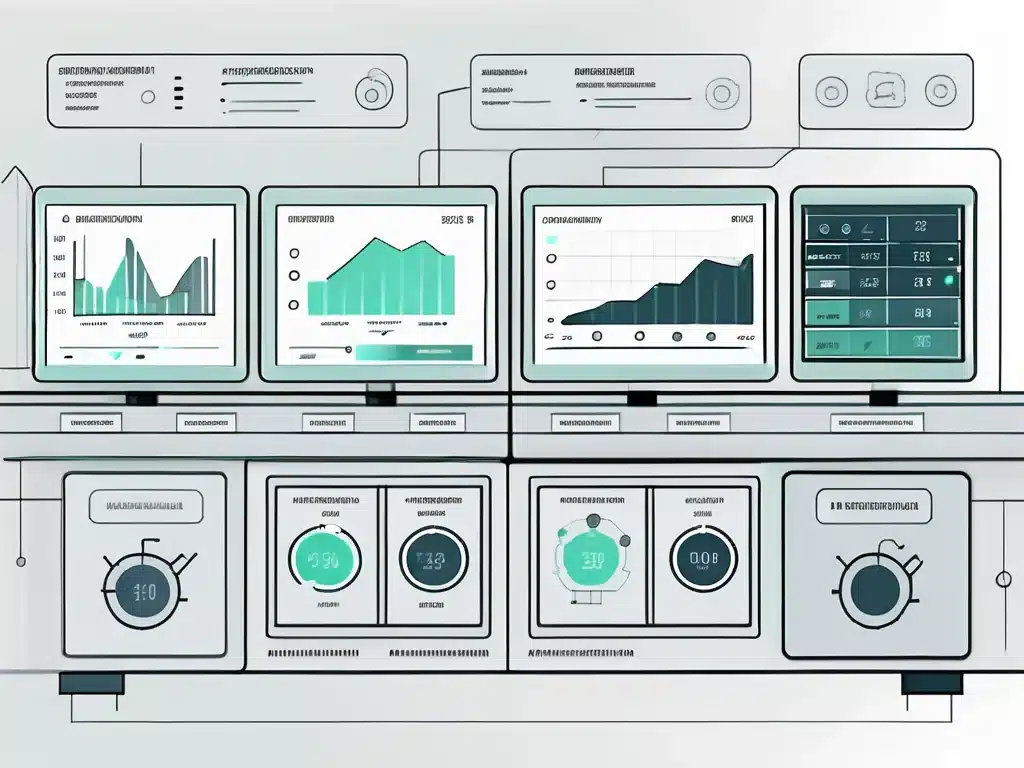
By utilizing advanced algorithms and data analytics, shop floor control software systems enable manufacturers to optimize their workflow, reduce waste, minimize downtime, and improve overall production efficiency. Essentially, these systems act as a digital bridge between various departments and processes within a manufacturing facility, ensuring smooth coordination and maximum output.
Now, let’s dive deeper into the definition and importance of shop floor control systems. These computer-based tools are designed to facilitate the efficient management and operation of manufacturing processes. They enable businesses to monitor and organize production activities in real-time, ensuring that everything runs smoothly and according to plan.
The importance of shop floor control systems cannot be overstated. With increasing customer demands and the need for faster turnaround times, manufacturing businesses must have complete visibility and control over their shop floor operations. By implementing a robust shop floor control software system, manufacturers can effectively manage resources, track production progress, identify bottlenecks, and take immediate action to address any issues that may arise.
Furthermore, these systems enable businesses to make data-driven decisions, as they provide real-time insights into production metrics, such as cycle times, machine utilization, and labor efficiency. This data-driven approach allows manufacturers to identify areas for improvement, implement continuous process optimization, and ultimately enhance their competitive advantage.
Now that we have a better understanding of shop floor control systems, let’s explore some of the key functions that shop floor control software offers:
Key Functions of Shop Floor Control Software
Shop floor control software systems encompass a wide range of functionalities that cater to the specific needs of manufacturing businesses. Let’s take a closer look at some of the key functions these systems offer:
1. Work Order Management
Effective work order management is critical for ensuring smooth operations on the shop floor. Shop floor control software systems enable businesses to create, track, and manage work orders efficiently. This includes assigning tasks to specific employees, tracking progress, and ensuring that work orders are completed on time.
2. Inventory Control
Inventory management is another vital aspect of shop floor control. These systems allow businesses to track inventory levels in real-time, ensuring that materials and resources are readily available when needed. By maintaining optimal inventory levels, manufacturers can avoid stockouts, minimize holding costs, and improve overall production efficiency.
3. Resource Allocation
Shop floor control software systems enable businesses to effectively allocate resources, such as machines, equipment, and personnel, to different tasks and processes. This ensures that resources are utilized efficiently, minimizing idle time and maximizing overall productivity.
4. Production Monitoring
Real-time data collection and analysis are crucial for effective production monitoring. Shop floor control software systems enable businesses to capture data on key performance indicators (KPIs) such as cycle times, production rates, and quality metrics. By monitoring these metrics, manufacturers can identify areas for improvement, optimize production processes, and achieve higher levels of productivity.
With these key functions, shop floor control software systems empower manufacturers to streamline their operations, enhance productivity, and stay competitive in today’s fast-paced manufacturing landscape.
Take Control of Your Shop Floor
From production scheduling to quality control, ASCTrac MES gives manufacturers the tools to optimize every step.
Request a Demo
Evaluating Your Shop Floor Control Needs
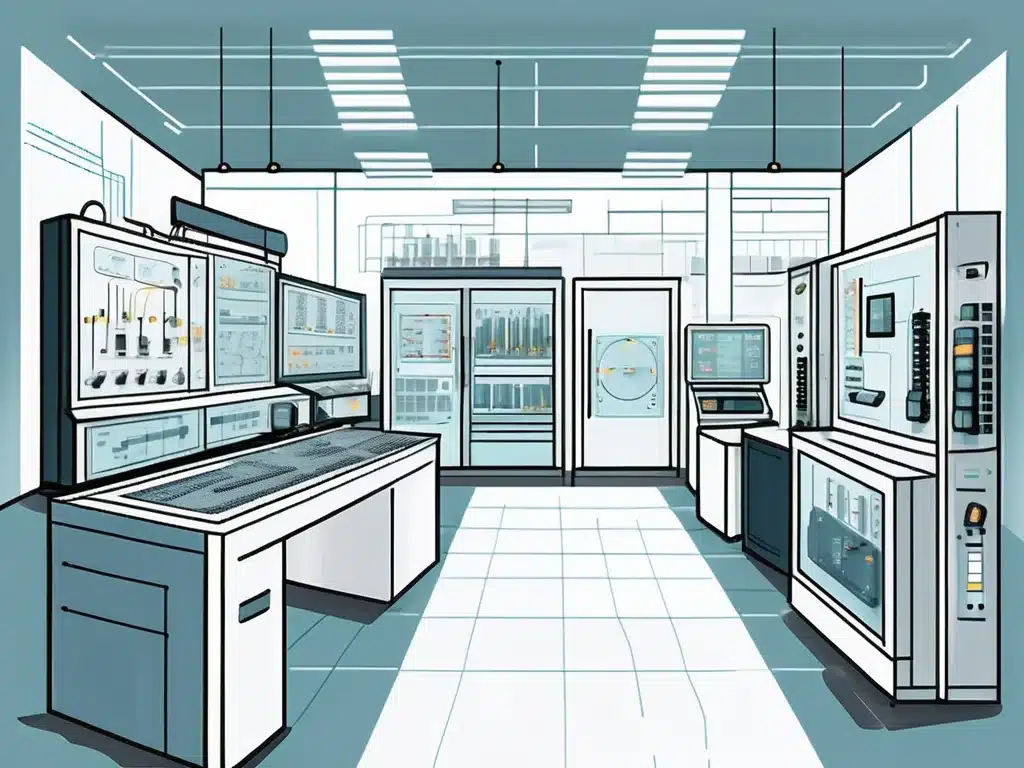
Before choosing a shop floor control software system, it’s essential to assess your unique manufacturing requirements. Understanding your needs will help you select a system that aligns with your goals and provides the necessary features and functionalities to support your operations effectively.
Identifying Your Manufacturing Process Requirements
Start by analyzing your manufacturing processes in detail. Identify the specific challenges you face, such as long cycle times, high scrap rates, or inefficient resource allocation. Consider your production volume, complexity, and any industry-specific requirements. By having a clear understanding of your manufacturing process requirements, you will be better equipped to evaluate different shop floor control software systems.
Assessing Your Current System’s Limitations
If you are currently using a shop floor control software system or any other form of production management tool, evaluate its limitations and shortcomings. Identify the features and functionalities that are missing or not meeting your expectations. This assessment will help you determine the areas in which you need improvement and guide your selection process for a new system.
Features to Look for in Shop Floor Control Software
When evaluating different shop floor control software systems, it’s crucial to consider the specific features and functionalities that will benefit your manufacturing operations. Let’s explore some of the key features to look for:
Real-Time Data Collection and Analysis
One of the most critical features of a shop floor control software system is the ability to collect and analyze real-time data. Look for a system that can capture data from various sources, such as machines, sensors, and manual input. The system should provide customizable dashboards and reports, allowing you to monitor key metrics and gain actionable insights into your production processes.
Scheduling and Planning Capabilities
Efficient production scheduling and planning are essential for meeting customer demands and optimizing resource utilization. Look for a shop floor control software system that offers robust scheduling and planning capabilities. The system should enable you to create and manage production schedules, assign tasks, and allocate resources effectively. It should also provide tools to analyze different scheduling scenarios, allowing you to make informed decisions based on real-time data and production constraints.
Quality Control and Compliance Features
Quality control and compliance are critical aspects of manufacturing operations. Look for a shop floor control software system that includes built-in quality control and compliance features. This includes the ability to set quality standards, perform inspections, track non-conformances, and generate compliance reports. These features will help you ensure that your products meet the highest quality standards and comply with relevant industry regulations.
Implementing Shop Floor Control Software
Implementing a shop floor control software system requires careful planning and execution. Here are the steps for a successful implementation:

1. Identify Stakeholders and Set Clear Goals
Involve key stakeholders, such as production managers, IT personnel, and shop floor operators, in the implementation process. Clearly define your goals and expectations for the system, ensuring that everyone understands the objectives and benefits of the software.
2. Select the Right System
Based on your evaluation of shop floor control software systems, choose the one that best meets your needs. Consider factors such as ease of use, scalability, support, and integration capabilities. Request demos and trial periods to ensure that the system aligns with your requirements.
3. Prepare Your Data
Before implementing the software, make sure to clean and organize your data. Ensure that all relevant information, such as product specifications, bill of materials, and work orders, is readily available and in a format suitable for import into the new system.
4. Conduct Training
Provide comprehensive training to all employees who will be using the shop floor control software system. Ensure they understand how to navigate the system, input data, generate reports, and leverage its full potential. Training sessions can be conducted in-house or with the assistance of the software provider.
5. Gradual Implementation and Continuous Improvement
Implement the shop floor control software system gradually, starting with a pilot project or specific production area. Continuously monitor the system’s performance, gather feedback from users, and make adjustments as needed. This iterative approach will help you fine-tune the system and achieve optimal results.
Maximizing the Benefits of Your Shop Floor Control Software
Implementing a shop floor control software system is just the first step. To fully maximize the benefits of the software, consider the following:
Training Your Team for Optimal Use
Continued training and knowledge sharing are essential for ensuring optimal utilization of your shop floor control software system. Provide ongoing training sessions, conduct refresher courses, and encourage employees to share best practices and tips for using the system effectively. This will help drive adoption and ensure that all users are leveraging the full potential of the software.
Regular System Updates and Maintenance
Stay up to date with system updates and enhancements provided by the software vendor. Regularly update your shop floor control software system to leverage new features, improve stability, and address any security vulnerabilities. Additionally, establish a regular maintenance routine to ensure optimal system performance and prevent any potential issues.
In conclusion, shop floor control software systems play a vital role in modern manufacturing businesses. By implementing the right system, manufacturers can optimize their production processes, enhance productivity, and achieve a competitive advantage. Understanding the key functions, evaluating your specific needs, and selecting the right features are crucial steps in the implementation process. With proper planning, training, and maintenance, you can fully maximize the benefits of your shop floor control software system and transform your manufacturing floor into a well-oiled machine.
Frequently Asked Questions
What is shop floor control software?
Shop floor control software manages production execution by tracking work orders, monitoring progress, collecting production data, and providing visibility into operations. It coordinates activities between planning systems and physical production, ensuring work happens according to schedule while capturing actual performance data for analysis and improvement.
What features should shop floor control software include?
Essential features include work order management, production tracking and reporting, labor time collection, and quality data capture. Advanced features may include finite scheduling, material tracking, equipment monitoring, and analytics. Mobile access, barcode scanning support, and integration capabilities are important for practical deployment.
How do you select shop floor control software?
Selection should match software capabilities to your specific production environment and requirements. Evaluate fit for your industry, production type, and complexity level. Consider integration needs with existing systems. Assess vendor experience, implementation approach, and support quality. Total cost of ownership includes implementation, training, and ongoing maintenance.
What is the difference between shop floor control and MES?
Manufacturing Execution Systems typically offer broader functionality than basic shop floor control, including quality management, maintenance management, and advanced analytics. Shop floor control focuses specifically on production tracking and work order management. Some vendors use terms interchangeably while others distinguish by feature scope.
How long does shop floor control software implementation take?
Implementation timelines range from weeks for simple systems to months for complex environments. Factors affecting duration include data migration requirements, integration complexity, customization needs, and organizational readiness. Phased approaches that start with core functionality and add capabilities over time often succeed better than attempting everything at once.