




The Role of Warehousing in Pharmaceuticals Manufacturing
Kurt AdamsPublished: March 3, 2026 | Updated: February 17, 20268 minutes
Warehousing plays a crucial role in the pharmaceutical industry, ensuring the safe and efficient storage, distribution, and quality control of drugs and other pharmaceutical products. By understanding the importance of warehousing in pharmaceuticals, we can grasp the key functions that these facilities fulfill, as well as the challenges they face and the future developments that will shape the industry.
Understanding the Importance of Warehousing in Pharmaceuticals
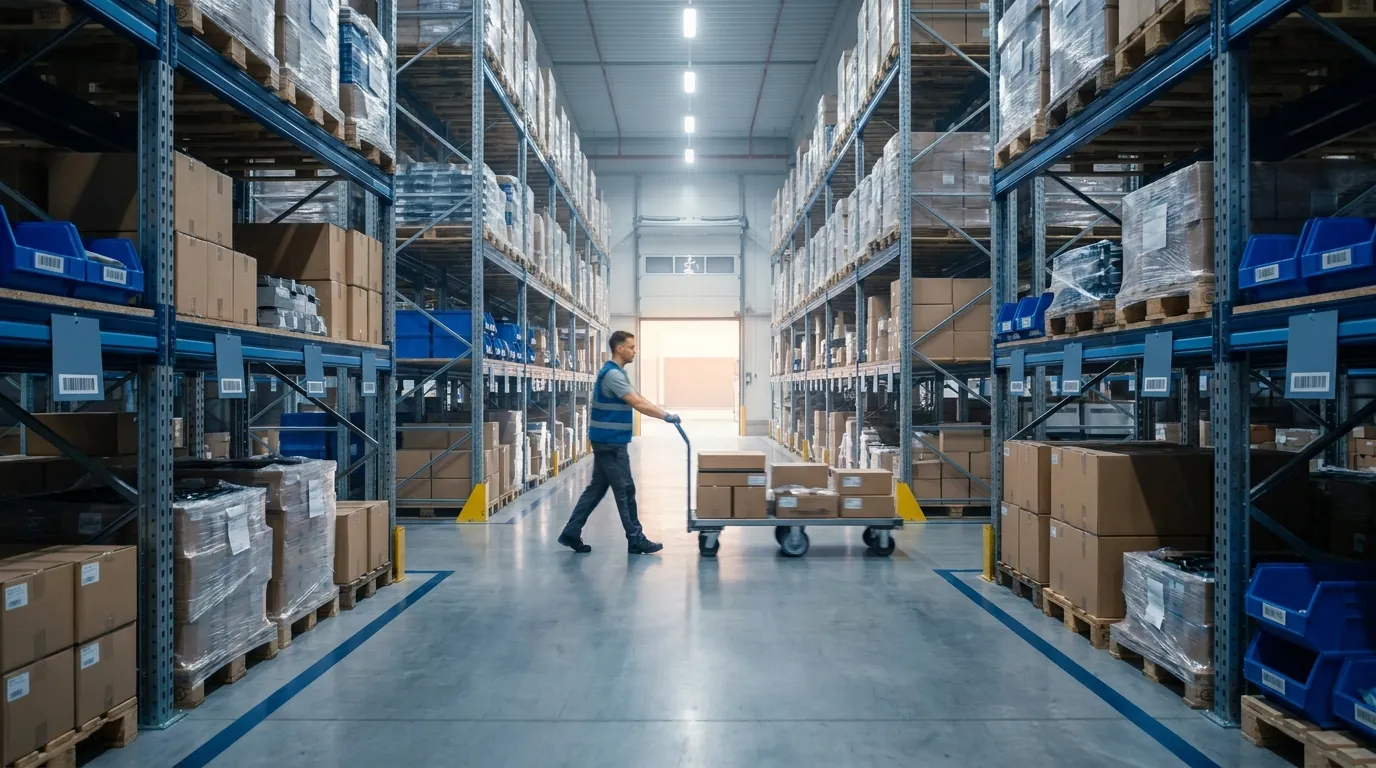
Warehousing is an indispensable aspect of the pharmaceutical manufacturing process. It involves the systematic handling, storing, and distribution of pharmaceutical products, ensuring their availability, safety, and quality throughout the supply chain. Additionally, warehousing contributes to cost-efficient operations by optimizing inventory management and facilitating timely delivery.
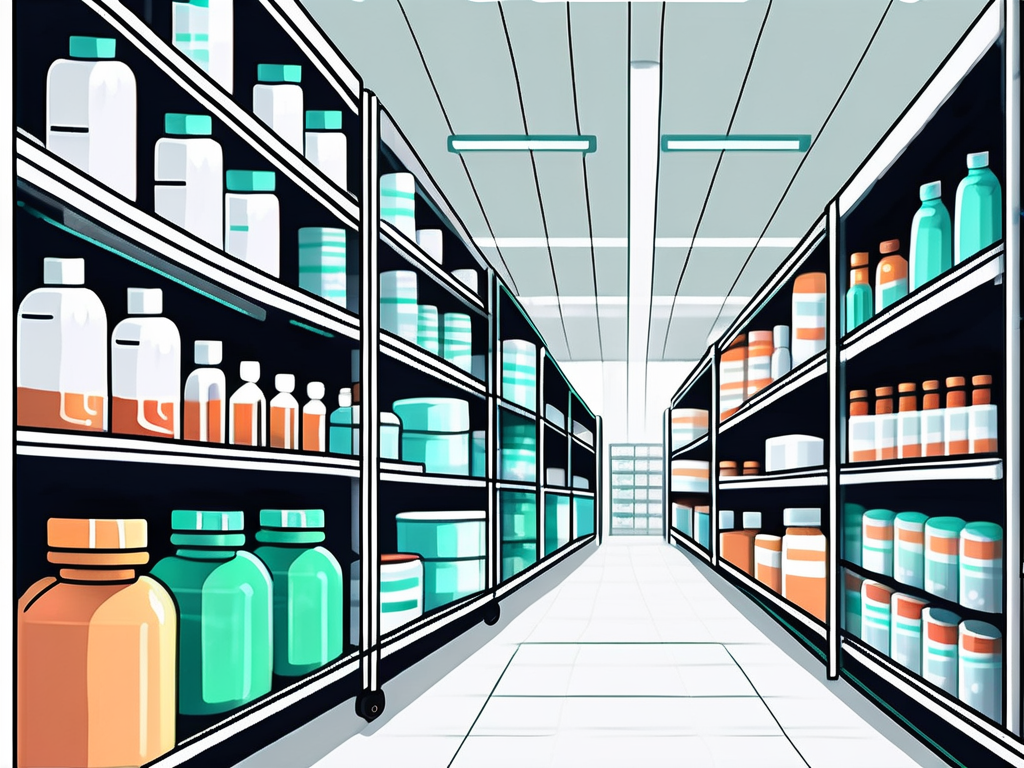
Furthermore, in the pharmaceutical industry, warehousing serves as a crucial link between manufacturers and end-users. It acts as a strategic hub where products are consolidated, sorted, and dispatched to various distribution points. This process requires meticulous planning and coordination to meet the diverse demands of healthcare providers, pharmacies, and patients.
Defining Warehousing in the Pharmaceutical Industry
In the context of pharmaceuticals, warehousing comprises specialized facilities designed to store and safeguard drugs, vaccines, medical supplies, and other pharmaceutical products. These facilities adhere to strict regulations and guidelines, such as Good Manufacturing Practices (GMP), to maintain the integrity and efficacy of the stored medications.
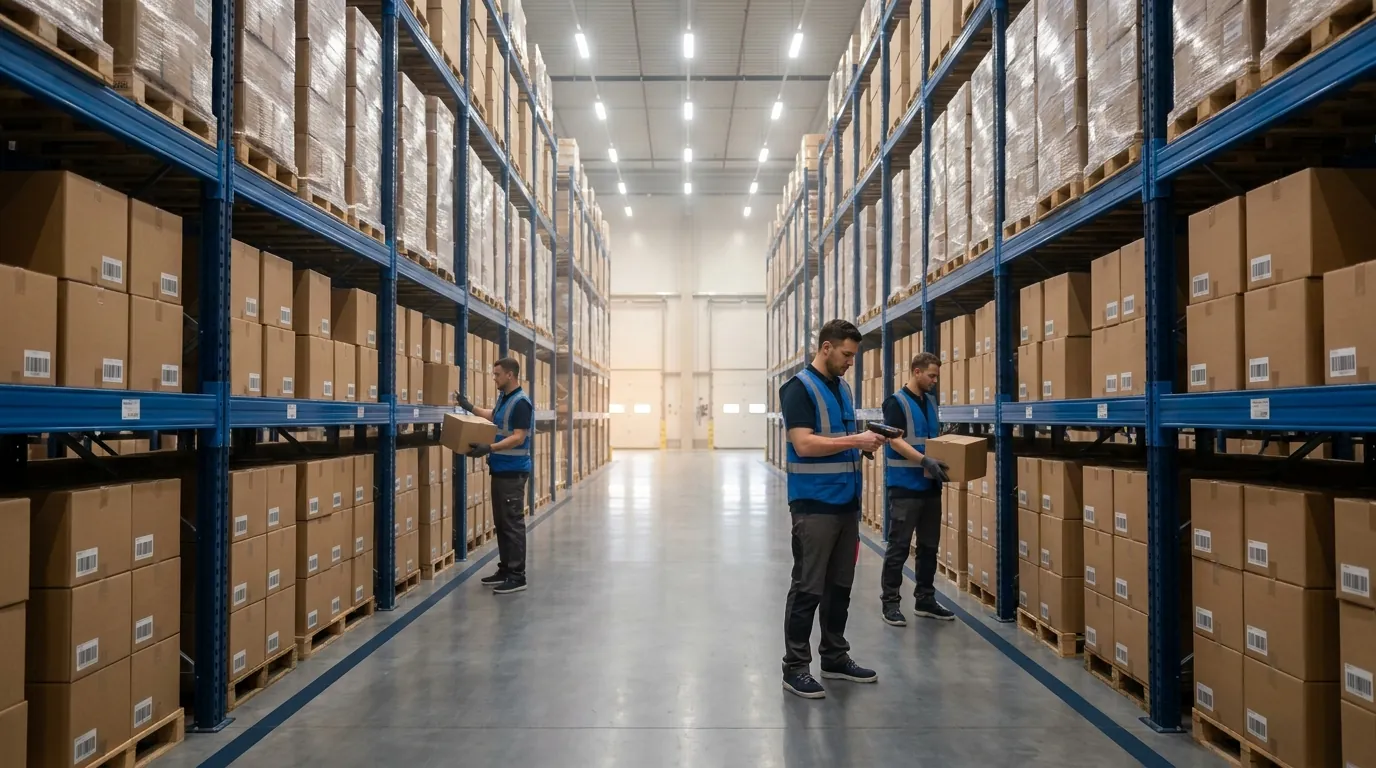
Moreover, pharmaceutical warehouses are equipped with advanced technologies and security measures to monitor inventory levels, track expiration dates, and ensure compliance with regulatory standards. Automated systems, temperature-controlled storage areas, and quality control protocols are integral components of modern pharmaceutical warehouses.
The Critical Role of Warehousing in Drug Safety
Pharmaceutical warehouses play a critical role in ensuring drug safety. By providing controlled environments, they protect medications from adverse conditions such as extreme temperatures, humidity, light, and contamination. Proper storage and handling in warehouses prevent the degradation or spoilage of drugs, thereby safeguarding patient health and well-being.
Additionally, pharmaceutical warehouses implement stringent quality assurance procedures to conduct regular inspections, audits, and product testing. These measures help identify and mitigate potential risks associated with storage and distribution, ensuring that only safe and effective medications reach the end-users. Continuous monitoring and adherence to best practices are essential to upholding the highest standards of pharmaceutical warehousing.
Purpose-Built for Pharmaceutical Compliance
ASCTrac helps pharmaceutical operations stay GMP-compliant with lot tracking, serialization, and DSCSA-ready workflows.
Request a Demo
Key Functions of Pharmaceutical Warehouses
Pharmaceutical warehouses play a crucial role in the pharmaceutical supply chain by performing various essential functions to support the manufacturing and distribution of drugs. These facilities serve as pivotal hubs where pharmaceutical products are stored, managed, and distributed efficiently to meet the demands of healthcare providers and patients.
Storage and Distribution of Pharmaceuticals
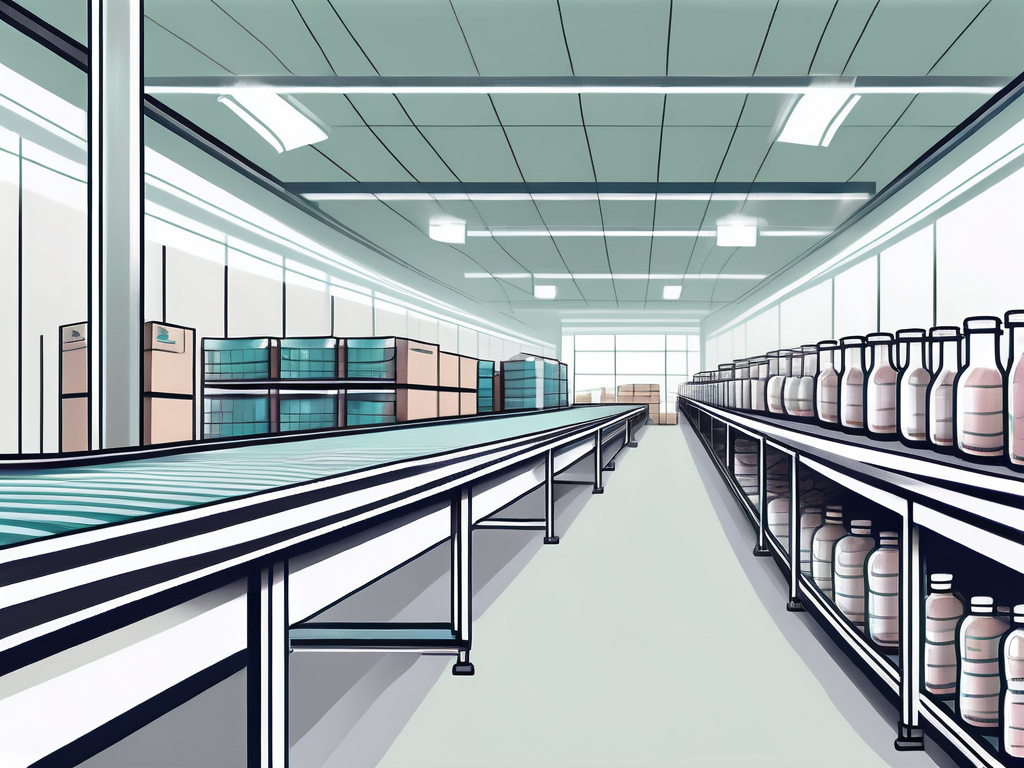
One of the primary functions of pharmaceutical warehouses is to provide a secure and controlled environment for storing a wide range of drugs and medications. These facilities are equipped with state-of-the-art storage systems that maintain optimal conditions such as temperature, humidity, and lighting to ensure the stability and potency of pharmaceutical products. Additionally, pharmaceutical warehouses employ advanced inventory management techniques to track the movement of drugs accurately and facilitate timely distribution to pharmacies, hospitals, and other healthcare facilities. This meticulous approach to storage and distribution helps prevent stockouts and ensures that essential medications are readily available to patients in need.
Quality Control and Regulatory Compliance
Ensuring the quality and safety of pharmaceutical products is a top priority for pharmaceutical warehouses. These facilities implement rigorous quality control measures to uphold the integrity and efficacy of the stored medications. By adhering to strict quality management systems and following regulatory guidelines set by authorities such as the FDA (Food and Drug Administration), pharmaceutical warehouses maintain high standards of product quality and safety. Regular inspections, audits, and quality assurance processes are conducted to detect any deviations or anomalies in the storage and handling of drugs, thereby mitigating the risks associated with counterfeit or substandard medications. By prioritizing quality control and regulatory compliance, pharmaceutical warehouses contribute significantly to safeguarding public health and maintaining the trust of healthcare professionals and patients alike.
Challenges in Pharmaceutical Warehousing
While pharmaceutical warehouses are vital for the industry, they face several challenges that can impact their operations and effectiveness. Some of the key challenges include:
Managing Temperature-Sensitive Drugs
Pharmaceutical products, especially vaccines and biologics, often require strict temperature control to maintain their stability and potency. Warehouses must invest in sophisticated temperature monitoring systems and cold chain management practices to uphold the efficacy of these temperature-sensitive drugs. Failure to do so can result in product degradation and compromised patient safety.
Moreover, fluctuations in temperature during transportation and storage can lead to irreversible damage to the pharmaceutical products. This is why some warehouses utilize specialized refrigeration units and temperature-controlled packaging to ensure that the integrity of the drugs is preserved throughout the supply chain, from manufacturing facilities to distribution centers.
Ensuring Security and Preventing Contamination
Pharmaceutical warehouses must prioritize security to prevent theft, diversion, or tampering of drugs. Additionally, stringent measures must be in place to safeguard against contamination, cross-contamination, and the introduction of foreign substances into the manufacturing and distribution processes. Implementing robust security systems, strict access controls, and comprehensive sanitation protocols is essential to mitigate these risks.
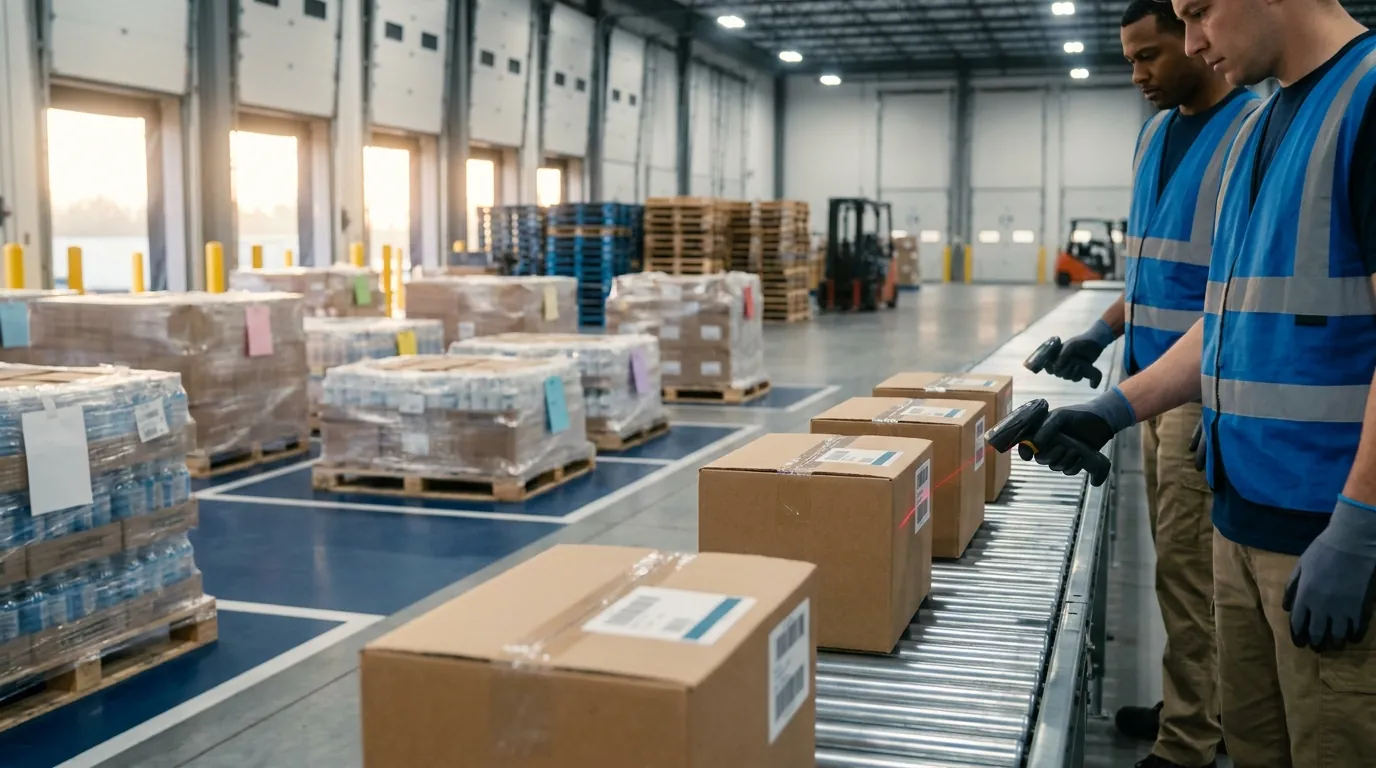
Furthermore, the threat of counterfeit drugs entering the supply chain is a growing concern for pharmaceutical warehouses. To combat this issue, some facilities have adopted track-and-trace technologies, such as barcoding and RFID systems, to monitor the movement of products and verify their authenticity. These technologies not only enhance security measures but also improve inventory management and streamline the tracking of pharmaceutical products from production to delivery.
The Future of Warehousing in Pharmaceuticals
The pharmaceutical warehousing landscape is poised for transformative changes, driven by technological advancements and evolving market dynamics. Some key developments to watch out for include:
Technological Innovations in Warehousing
Rapid advances in technology, such as automation, Internet of Things (IoT), and artificial intelligence (AI), are set to revolutionize pharmaceutical warehousing. These innovations will enhance efficiency, accuracy, and traceability in inventory management, order processing, and supply chain operations. Automated storage and retrieval systems, robotics, and smart tracking devices are some examples of technologies poised to reshape warehousing practices.
Imagine a warehouse where robots seamlessly navigate through aisles, autonomously picking and packing pharmaceutical products with precision and speed. These robots, equipped with advanced AI algorithms, can analyze real-time data to optimize inventory levels, reducing the risk of stockouts and overstocking. Additionally, IoT-enabled sensors can monitor environmental conditions, such as temperature and humidity, ensuring the integrity of temperature-sensitive drugs. With these technological advancements, pharmaceutical warehouses will become highly efficient and capable of meeting the increasing demands of the industry.
The Impact of Globalization on Pharmaceutical Warehousing
In an increasingly interconnected global market, pharmaceutical manufacturers and distributors operate on a multinational scale. This trend necessitates extensive supply chain networks and efficient warehousing strategies to ensure seamless distribution across borders. As globalization continues to shape the pharmaceutical industry, pharmaceutical warehouses will have to adapt to changing regulations, logistical complexities, and the need for international collaboration.
One of the challenges that arise from globalization is the need for effective cold chain management. Pharmaceutical products often require specific temperature-controlled environments to maintain their efficacy. In response to this, pharmaceutical warehouses are implementing state-of-the-art refrigeration systems and temperature monitoring technologies. These advancements enable warehouses to maintain the required temperature range throughout the entire supply chain, from manufacturing to delivery, ensuring the quality and safety of the drugs.
Moreover, the globalization of the pharmaceutical industry brings about regulatory complexities. Different countries have varying regulations and standards for pharmaceutical products. Pharmaceutical warehouses must stay updated with these regulations to ensure compliance and avoid any legal issues. This requires constant monitoring and collaboration with regulatory bodies and industry associations to navigate the ever-changing landscape of international pharmaceutical trade.
In conclusion, warehousing plays a fundamental role in pharmaceutical manufacturing by maintaining the safety, quality, and availability of drugs. Pharmaceutical warehouses fulfill key functions such as storage, distribution, quality control, and regulatory compliance. However, they face unique challenges such as managing temperature-sensitive drugs and ensuring security and contamination prevention. The future of pharmaceutical warehousing holds immense potential, driven by technological innovations and the impact of globalization. By embracing these advancements and addressing the challenges, warehousing in the pharmaceutical industry can continue to deliver safe and effective medications to patients worldwide.
Frequently Asked Questions
Why is warehousing critical in pharmaceutical manufacturing?
Pharmaceutical manufacturing depends on precise handling of raw materials, intermediates, and finished products. Warehousing ensures that ingredients are stored at correct temperatures, tracked by lot number, and released in the proper order. Poor warehousing can lead to contamination, expired materials entering production, or regulatory violations that halt manufacturing.
What regulations govern pharmaceutical warehouse operations?
Key regulations include FDA 21 CFR Parts 210 and 211 for Good Manufacturing Practices, DSCSA for drug supply chain security, and international standards like EU GMP Annex 11 for computerized systems. Warehouses handling controlled substances must also comply with DEA requirements. A warehouse management system helps maintain compliance across these frameworks.
How do pharmaceutical warehouses handle temperature-sensitive products?
Temperature-sensitive products are stored in validated zones with continuous monitoring via IoT sensors. The warehouse management system tracks which products require refrigeration, frozen storage, or controlled room temperature and directs putaway accordingly. Excursion alerts notify staff immediately when conditions fall outside acceptable ranges.
What role does lot tracking play in pharmaceutical warehousing?
Lot tracking provides full traceability from raw material receipt through finished product shipment. It enables FIFO and FEFO rotation, supports recall management by identifying exactly which products are affected, and satisfies regulatory requirements for documenting the chain of custody at every handling step.
How is automation changing pharmaceutical warehousing?
Automation is improving accuracy and throughput through barcode and RFID scanning at every movement, automated storage and retrieval systems for high-value products, robotic picking for repetitive tasks, and IoT-enabled environmental monitoring. These technologies reduce human error while maintaining the strict documentation standards that pharmaceutical regulations require.