In the complex and ever-evolving world of healthcare, the pharmaceutical supply chain plays a crucial role in ensuring the availability of necessary drugs, reducing healthcare costs, and enhancing patient safety. This interconnected network of manufacturers, wholesalers, distributors, pharmacies, and healthcare providers ensures that patients have access to the medications they need, when they need them.
The Importance of the Pharmaceutical Supply Chain
Ensuring Drug Availability
One of the primary objectives of the pharmaceutical supply chain is to ensure that medications are readily available to patients. This involves the careful coordination of various stakeholders, from the manufacturers who produce the drugs to the pharmacies and healthcare providers who dispense them. By streamlining the supply chain, patients can have peace of mind knowing that the medications they rely on will be accessible and in stock.
Reducing Healthcare Costs
In addition to ensuring drug availability, the pharmaceutical supply chain also plays a vital role in managing healthcare costs. By optimizing the efficiency of the supply chain, unnecessary expenses can be minimized, leading to more affordable medications for patients. Through strategic partnerships and effective inventory management, healthcare providers can avoid excessive costs associated with overstocking or shortages.
Enhancing Patient Safety
Patient safety is a top priority within the pharmaceutical supply chain. From the manufacturing process to the delivery of medications, stringent quality control measures are in place to ensure that drugs are safe and reliable. The traceability of the supply chain allows for improved accountability, reducing the risk of medication errors and ensuring that patients receive the right medications at the right time.
Furthermore, the pharmaceutical supply chain is crucial in ensuring the integrity and authenticity of medications. With the rise of counterfeit drugs in the market, it is essential for the supply chain to implement robust tracking and verification systems. By utilizing technologies such as blockchain and RFID tags, the pharmaceutical industry can enhance transparency and traceability, safeguarding patients from harmful counterfeit products.
Moreover, the supply chain plays a significant role in promoting sustainability within the pharmaceutical sector. By implementing eco-friendly practices such as optimizing transportation routes and reducing packaging waste, companies can minimize their environmental impact. Sustainable supply chain management not only benefits the planet but also enhances the reputation of pharmaceutical companies as responsible corporate citizens.
Purpose-Built for Pharmaceutical Compliance
ASCTrac helps pharmaceutical operations stay GMP-compliant with lot tracking, serialization, and DSCSA-ready workflows.

Key Components of the Pharmaceutical Supply Chain
Manufacturers
At the heart of the pharmaceutical supply chain are the manufacturers, responsible for developing and producing medications. These companies invest significant resources in research and development, ensuring the effectiveness and safety of their products. Manufacturers work closely with regulatory agencies to comply with strict quality standards and ensure the integrity of their supply chain.
Manufacturers employ teams of scientists, chemists, and engineers who collaborate to create innovative drugs that address various medical needs. The process of drug development involves rigorous testing in laboratories and clinical trials to evaluate efficacy and safety. Once a medication receives regulatory approval, manufacturers scale up production to meet market demand, utilizing state-of-the-art manufacturing facilities and quality control measures.
Wholesalers and Distributors
Wholesalers and distributors play a critical role in connecting manufacturers with pharmacies and healthcare providers. They serve as intermediaries, responsible for the efficient distribution of medications across the supply chain. With extensive logistics networks, wholesalers and distributors ensure that drugs reach their intended destinations in a timely and secure manner.
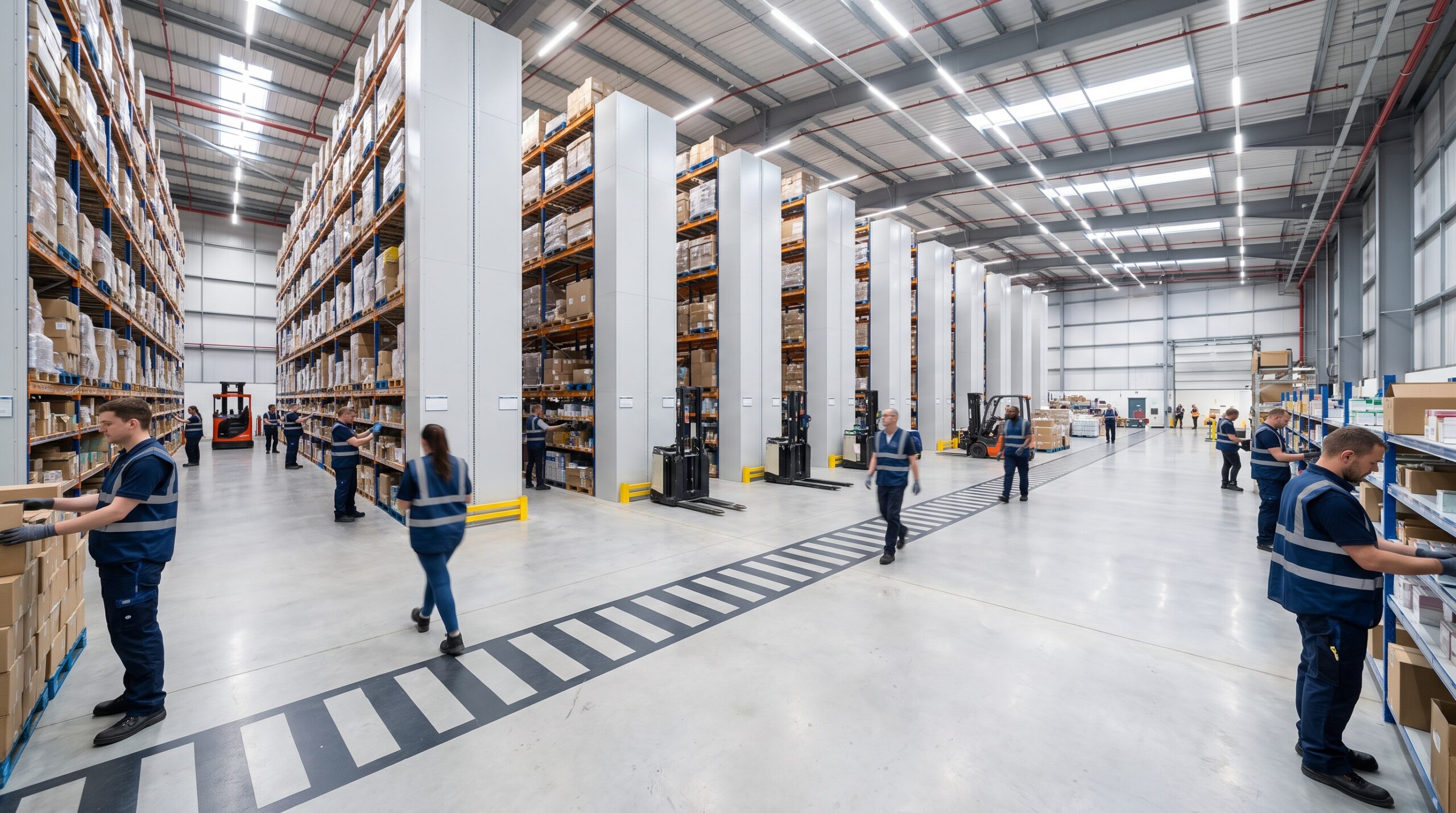
Wholesalers leverage advanced technology and inventory management systems to track shipments, manage stock levels, and coordinate deliveries to different healthcare facilities. They work closely with manufacturers to forecast demand, optimize shipping routes, and maintain proper storage conditions to preserve the efficacy of medications. Additionally, wholesalers adhere to regulatory guidelines to prevent counterfeit drugs from entering the supply chain, implementing stringent security measures and verification processes.
Pharmacies and Healthcare Providers
Pharmacies and healthcare providers are the last link in the pharmaceutical supply chain before medications are dispensed to patients. These entities receive medications from wholesalers and distributors and ensure their proper storage, safe handling, and accurate dispensing. Pharmacies also play a vital role in patient education, providing information on proper medication usage and potential side effects.
Pharmacies employ pharmacists and pharmacy technicians who undergo rigorous training to accurately dispense medications, counsel patients on drug interactions, and promote medication adherence. These healthcare professionals collaborate with prescribers to ensure appropriate medication therapy for patients, conducting medication reviews and monitoring for adverse reactions. Pharmacies also implement quality assurance protocols to verify the authenticity of medications, maintain cleanliness in dispensing areas, and comply with regulatory requirements to safeguard patient health.
The Role of Regulatory Agencies in the Pharmaceutical Supply Chain
Ensuring Quality and Safety

Regulatory agencies, such as the Food and Drug Administration (FDA) in the United States, play a crucial role in overseeing the pharmaceutical supply chain. They establish and enforce strict regulations that govern drug manufacturing, distribution, and labeling to ensure the quality and safety of medications. Through rigorous inspections and thorough approval processes, regulatory agencies are the guardians of patient well-being.
Monitoring Drug Distribution
Regulatory agencies also monitor the distribution of medications within the supply chain. They track the movement of drugs from manufacturers to wholesalers, distributors, and ultimately to pharmacies and healthcare providers. This monitoring ensures that medications are handled and transported in accordance with regulatory standards, safeguarding their integrity and effectiveness.
Enforcing Compliance and Ethics
Another vital role of regulatory agencies is to enforce compliance and ethics within the pharmaceutical supply chain. They investigate and penalize any violations of regulations, ensuring that all stakeholders adhere to established guidelines. By promoting ethical practices and deterring misconduct, regulatory agencies help maintain the trust and integrity of the supply chain.
Moreover, regulatory agencies collaborate with international counterparts to harmonize standards and regulations across borders. This global cooperation is essential in ensuring the consistency and safety of pharmaceutical products in an increasingly interconnected world. By sharing best practices and aligning regulatory frameworks, agencies work together to address challenges such as counterfeit drugs and cross-border supply chain disruptions.
Additionally, regulatory agencies conduct post-market surveillance to monitor the safety and efficacy of medications once they are available to the public. Through adverse event reporting systems and ongoing research, these agencies gather real-world data to identify any emerging risks or trends that may impact patient health. This proactive approach allows regulatory agencies to swiftly respond to potential issues and make informed decisions to protect public health.
Challenges in the Pharmaceutical Supply Chain
Counterfeit Medicines

Counterfeit medicines pose a significant threat to the pharmaceutical supply chain. These fake medications can be ineffective, unsafe, or even lethal. To combat counterfeits, stakeholders must implement robust traceability systems that allow for the verification of product authenticity every step of the way. Advanced technologies, such as blockchain, are being explored to enhance transparency and prevent the infiltration of counterfeit medicines.
Supply Chain Inefficiencies
Supply chain inefficiencies, such as delays or disruptions in the transportation of medications, can lead to shortages or stockouts. These inefficiencies can arise from factors such as inadequate infrastructure, poor coordination among stakeholders, or unexpected events like natural disasters. To address these challenges, supply chain stakeholders must collaborate closely, utilizing data-driven approaches and predictive analytics to optimize the flow of medications.
Regulatory Compliance
Complying with regulatory requirements throughout the pharmaceutical supply chain can be demanding. The constantly evolving nature of regulations, varying across different jurisdictions, adds complexity to the process. To navigate these challenges, stakeholders need to invest in robust compliance management systems and stay informed about regulatory updates. By prioritizing compliance, the integrity of the supply chain can be maintained, and patient safety assured.
Emerging Technologies
As the pharmaceutical industry continues to evolve, emerging technologies are playing a crucial role in revolutionizing the supply chain. For instance, the Internet of Things (IoT) is enabling real-time monitoring of temperature-sensitive medications during transportation, ensuring their efficacy and quality. Additionally, artificial intelligence (AI) and machine learning algorithms are being employed to analyze vast amounts of supply chain data, identifying patterns and predicting potential disruptions before they occur. By embracing these technologies, stakeholders can proactively address challenges and enhance the efficiency of the pharmaceutical supply chain.
Collaborative Partnerships
Recognizing the interconnected nature of the pharmaceutical supply chain, stakeholders are increasingly forming collaborative partnerships to overcome challenges collectively. These partnerships involve not only pharmaceutical manufacturers and distributors but also healthcare providers, regulatory agencies, and technology providers. By leveraging the expertise and resources of each partner, the supply chain can be strengthened, ensuring a seamless flow of medications from production to patient.
As the healthcare landscape continues to evolve, understanding the fundamentals of the pharmaceutical supply chain is vital. By recognizing the importance of drug availability, cost reduction, and patient safety, stakeholders can work together to optimize the supply chain, ensuring that patients receive the medications they need efficiently and reliably.
How Does the Pharmaceutical Supply Chain Work?
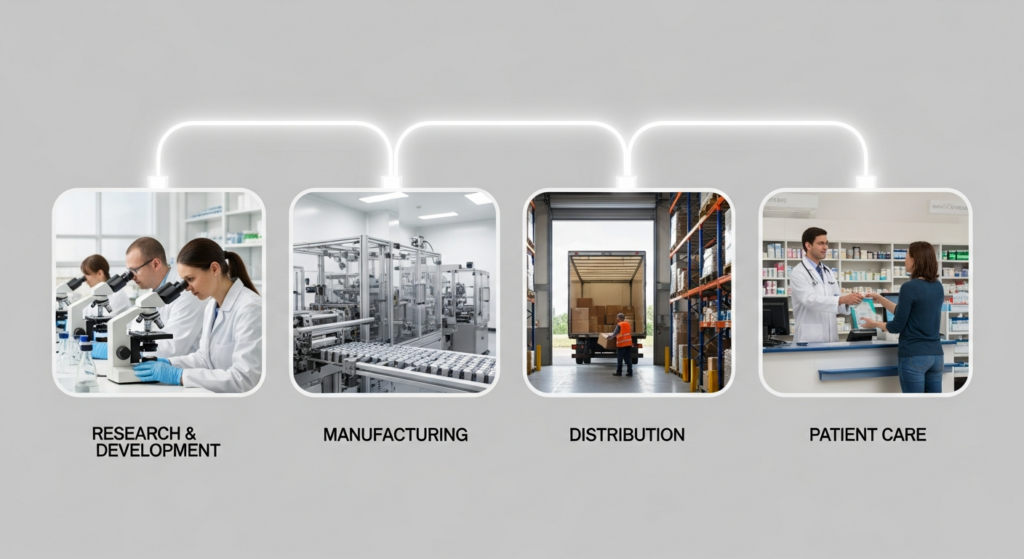
Understanding the pharmaceutical supply chain requires examining its comprehensive flow from initial research and development through final patient delivery. This intricate process involves multiple stages, each with specific requirements and stakeholders that must work in perfect coordination to ensure safe, effective medications reach patients worldwide.
Research and Development Phase
The pharmaceutical supply chain begins long before manufacturing, starting with research and development activities. During this phase, pharmaceutical companies identify potential therapeutic compounds, conduct extensive clinical trials, and seek regulatory approvals. This stage can take 10-15 years and requires careful coordination with contract research organizations, clinical sites, and regulatory bodies. The R&D phase establishes the foundation for all subsequent supply chain activities, determining manufacturing specifications, quality requirements, and distribution parameters.
Raw Material Sourcing and Procurement
Once a drug receives approval, the supply chain shifts focus to raw material sourcing. Pharmaceutical manufacturers must secure active pharmaceutical ingredients (APIs), excipients, and packaging materials from qualified suppliers. This procurement process involves rigorous supplier qualification, quality audits, and ongoing monitoring to ensure materials meet strict pharmaceutical standards. Raw material sourcing often spans multiple countries and suppliers, requiring sophisticated supply chain coordination to maintain consistent material quality and availability.
Manufacturing Operations
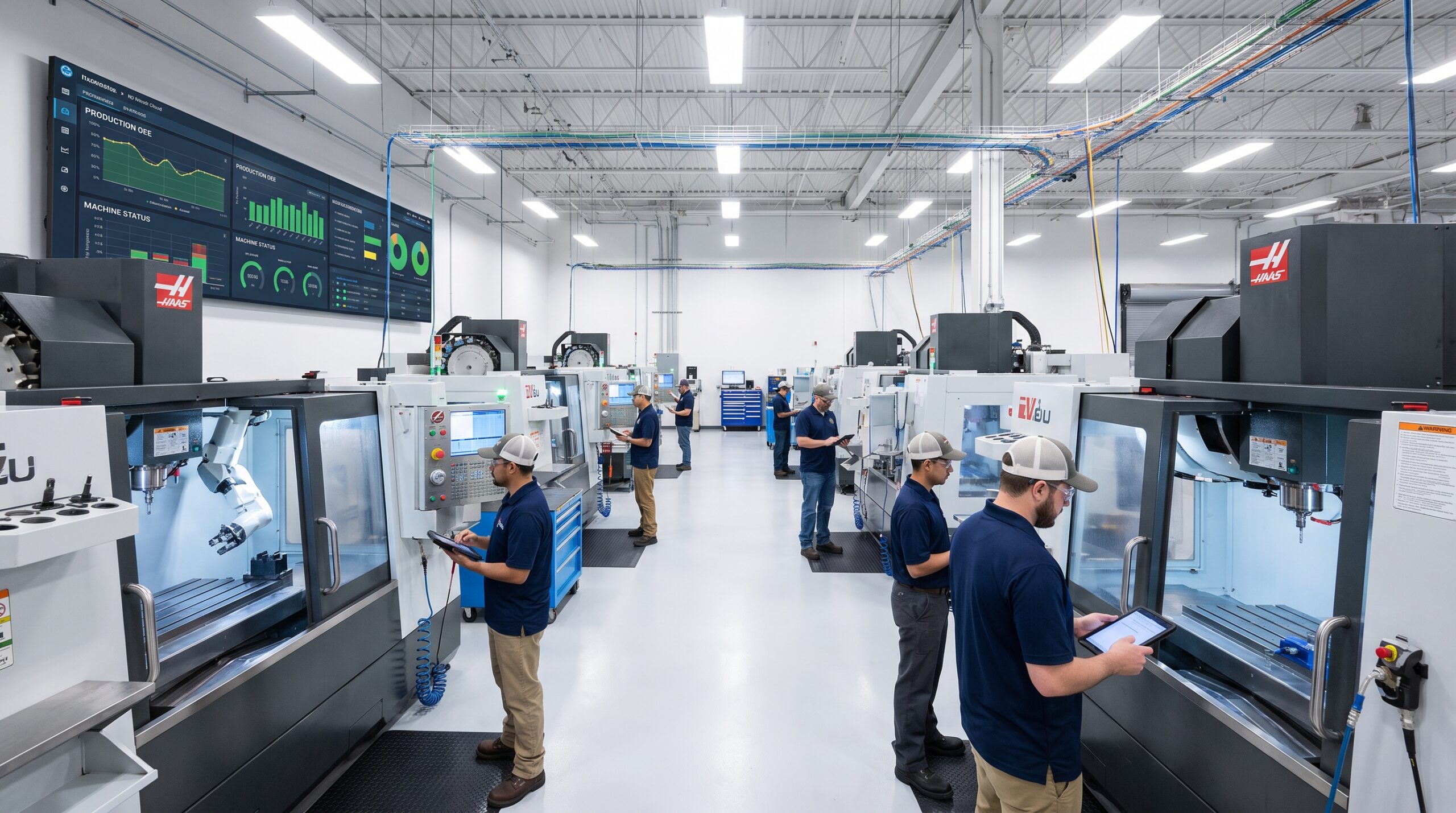
The manufacturing phase transforms raw materials into finished pharmaceutical products through carefully controlled processes. This stage involves multiple steps including compound mixing, tablet pressing, coating, packaging, and labeling. Each manufacturing operation must comply with Good Manufacturing Practices (GMP) and maintain detailed batch records for traceability. Modern pharmaceutical manufacturing increasingly relies on automation and digital technologies to ensure consistency, reduce contamination risks, and maintain compliance with regulatory standards.
Quality Control and Testing
Throughout the manufacturing process, extensive quality control testing occurs to verify product safety, efficacy, and consistency. Quality laboratories test raw materials upon receipt, monitor in-process materials during manufacturing, and conduct final product testing before release. This testing includes identity verification, potency analysis, purity assessment, and stability testing. Quality control results must meet predetermined specifications before products can advance to the next supply chain stage.
Distribution and Logistics
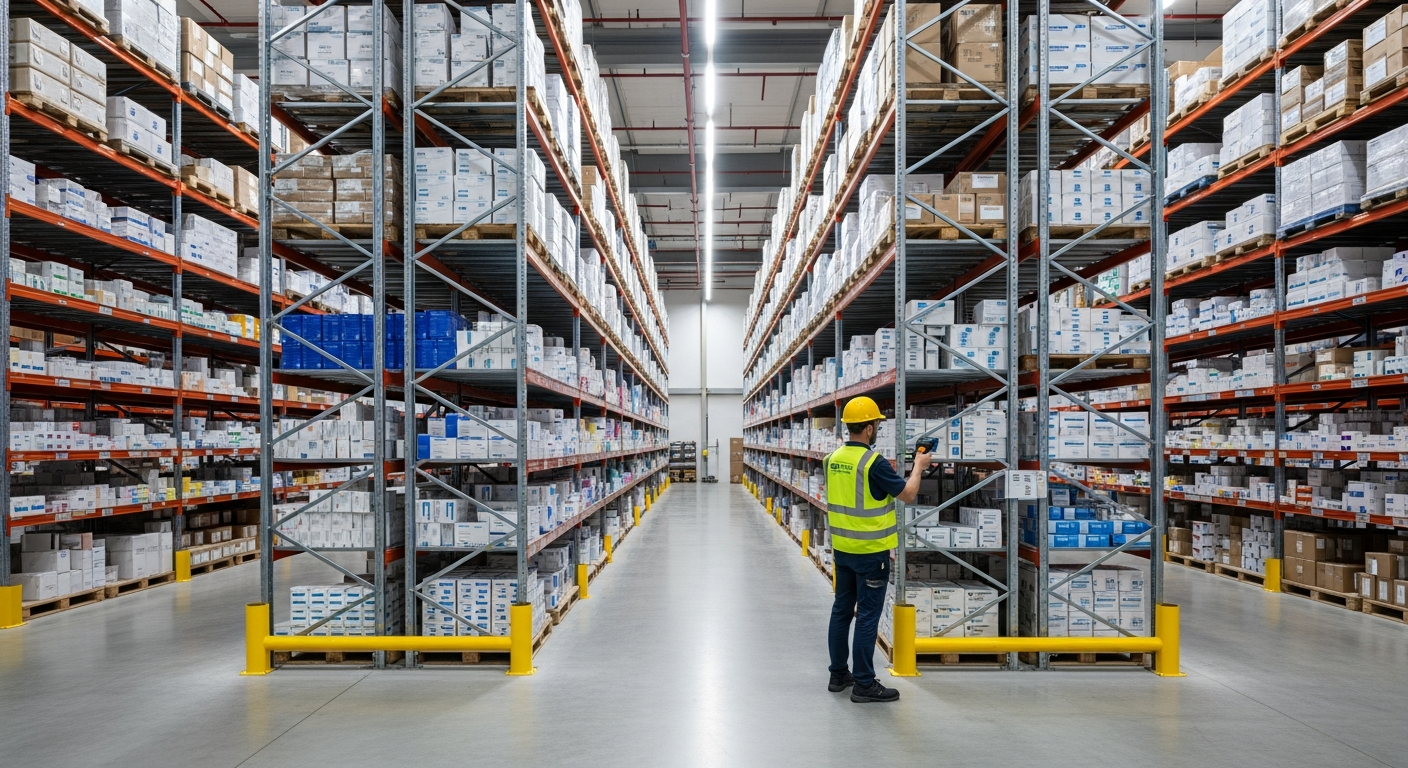
After manufacturing and quality release, pharmaceutical products enter the distribution network. This complex logistics system involves multiple channels including direct shipments to hospitals, distribution through wholesale partners, and delivery to retail pharmacies. Distribution operations must maintain product integrity through controlled temperature storage, secure transportation, and proper handling procedures. Many pharmaceutical products require specialized cold chain logistics to preserve stability and efficacy during transport.
Wholesale and Retail Networks
Pharmaceutical wholesalers serve as critical intermediaries, purchasing products from manufacturers and distributing them to pharmacies, hospitals, and other healthcare providers. These organizations maintain extensive warehouse networks, sophisticated inventory management systems, and specialized logistics capabilities. Retail pharmacies represent the final distribution point, dispensing medications directly to patients while maintaining proper storage conditions and inventory controls.
Patient Delivery and Administration
The pharmaceutical supply chain culminates with patient delivery and medication administration. This final stage involves pharmacist counseling, proper dispensing procedures, and patient education about medication use. Healthcare providers must maintain detailed records of medication administration and monitor patient responses. The supply chain continues even after dispensing through post-market surveillance activities that monitor drug safety and effectiveness in real-world settings.
Key Focus Areas in Pharma Supply Chain Management
Effective pharmaceutical supply chain management requires specialized attention to several critical areas that distinguish it from other industries. These focus areas address unique pharmaceutical requirements while ensuring patient safety, regulatory compliance, and operational efficiency.
Regulatory Compliance
Regulatory compliance represents the cornerstone of pharmaceutical supply chain management. Companies must navigate complex regulatory frameworks including FDA regulations, international standards, and country-specific requirements. This involves maintaining detailed documentation, conducting regular audits, implementing quality systems, and ensuring all supply chain partners meet regulatory standards. Compliance extends beyond manufacturing to encompass distribution practices, storage requirements, and record-keeping obligations throughout the entire supply chain.
Cold Chain Logistics
Cold chain logistics has become increasingly critical as more pharmaceutical products require temperature-controlled storage and transportation. This specialized focus area involves maintaining specific temperature ranges from manufacturing through patient delivery, implementing temperature monitoring systems, and ensuring backup procedures for equipment failures. Cold chain management requires specialized packaging, refrigerated transportation, and trained personnel capable of handling temperature-sensitive products safely.
Serialization and Traceability
Serialization and traceability have moved from best practice to legal mandate. The Drug Supply Chain Security Act (DSCSA) requires pharmaceutical manufacturers, wholesale distributors, dispensers, and repackagers to assign a unique product identifier to every saleable unit — and to pass electronic transaction data (transaction information, transaction history, and transaction statement) to trading partners at each ownership transfer.
Full DSCSA compliance requires:
- Product identifier — a combination of National Drug Code (NDC), serial number, lot number, and expiration date encoded in a 2D barcode (GS1 DataMatrix)
- Electronic transaction data — exchanged at each transfer point in the supply chain
- Verification — trading partners must verify suspect or illegitimate products against the FDA’s Verification Router Service (VRS)
- Tracing — the ability to produce the complete transaction history of a product back to the original manufacturer upon FDA request
For manufacturers, serialization starts at the packaging line. For 3PL distributors, it begins at receiving — where each unit must be verified against the electronic pedigree provided by the shipper.
Beyond regulatory compliance, traceability delivers operational benefits: faster and more targeted recalls, reduced counterfeit exposure, and real-time visibility into where every lot sits in the supply chain at any point in time. Blockchain-based platforms are emerging as a longer-term infrastructure for shared traceability data across trading partners, though most compliance today runs on cloud-based track-and-trace systems with EDI or API connectivity.
Pharmaceutical Supply Chain Software: What Manufacturers Need
Managing a pharmaceutical supply chain without purpose-built software is an operational and compliance liability. Regulatory requirements alone — lot tracking, serialization, temperature excursion documentation, batch record integrity — generate documentation burdens that manual systems simply cannot sustain at scale.
Purpose-built pharmaceutical supply chain software, typically a warehouse management system (WMS) or manufacturing execution system (MES), addresses these requirements by automating compliance workflows while also improving operational efficiency.
What to Look for in Pharma Supply Chain Software
Lot and serial number tracking
Every product unit must be traceable from raw material receipt through dispensing. Software must capture lot numbers at receiving, link them through each production step, and maintain chain-of-custody records that satisfy FDA and DEA audit requirements.
DSCSA-ready serialization
The Drug Supply Chain Security Act (DSCSA) requires unit-level serialization and electronic transaction data for all prescription drugs sold in the U.S. Your WMS or MES must generate, capture, and transmit serialization data in the formats trading partners and the FDA require. Non-compliance can halt distribution.
Temperature and cold chain monitoring
Temperature-sensitive products — biologics, vaccines, certain APIs — require continuous temperature documentation throughout storage and transit. Software should integrate with temperature monitoring hardware and flag excursions in real time, creating audit-ready records automatically.
GMP-compliant batch records
Electronic batch records (EBRs) must capture every process parameter, operator action, and quality check tied to a production lot. Look for systems with 21 CFR Part 11-compliant electronic signatures and audit trails that cannot be altered after the fact.
ERP integration
Pharmaceutical supply chain software should sync bidirectionally with your ERP — whether SAP, Oracle, or a mid-market system — keeping purchase orders, inventory levels, and production schedules aligned in real time across both systems.
Recall management
When a recall occurs, speed and precision matter. Software with granular lot tracking enables manufacturers to identify exactly which lots are affected, which customers received them, and what quantity is still in inventory — within hours, not days.
How ASC Software Supports Pharmaceutical Supply Chain Operations
ASCTrac WMS and MES are purpose-built for industries with demanding compliance requirements, including pharmaceutical manufacturing, 3PL pharmaceutical distribution, and food and beverage operations subject to FDA oversight.
Key capabilities for pharmaceutical supply chain operations:
- Lot and serial tracking from raw material receipt through finished goods shipment
- DSCSA serialization workflows for prescription drug traceability compliance
- Recall management — rapid lot identification and customer notification
- Electronic batch records with 21 CFR Part 11-compliant audit trails
- Cold chain monitoring integration with temperature data tied to lot records
- GMP warehouse support — quarantine zones, expiry date management, FEFO picking rules
For pharmaceutical manufacturers and 3PLs looking to tighten compliance while reducing manual documentation burden, purpose-built software is the operational foundation the rest of the supply chain depends on.
Request a Demo of ASCTrac for Pharmaceutical Operations
Frequently Asked Questions
What are the fundamentals of pharmaceutical supply chains?
Pharmaceutical supply chains move products from manufacturers through distributors to pharmacies and healthcare facilities while maintaining product integrity. Key fundamentals include temperature control, security, traceability, and regulatory compliance. Unique requirements stem from product sensitivity, patient safety implications, and extensive regulation.
How does pharmaceutical distribution differ from other industries?
Pharmaceutical distribution requires stricter temperature control, more extensive documentation, and greater security than most industries. Serialization enables product tracing throughout the supply chain. Regulatory oversight adds compliance obligations at every stage. Product value and patient safety implications demand higher service levels and risk management.
What role do wholesalers play in pharmaceutical supply chains?
Wholesalers aggregate products from multiple manufacturers and distribute to pharmacies, hospitals, and other dispensers. They provide inventory buffering, delivery consolidation, and returns handling that individual manufacturers could not efficiently provide. Their facilities and operations must meet the same regulatory standards as manufacturers.
How is the pharmaceutical supply chain regulated?
Regulation includes Good Distribution Practice requirements, licensing of facilities and personnel, serialization and track-and-trace mandates, and temperature monitoring obligations. Multiple agencies oversee different aspects. Requirements vary by country, creating complexity for global operations. Non-compliance can result in product seizure, fines, or criminal charges.
What trends are shaping pharmaceutical supply chains?
Key trends include increasing serialization requirements, growth of specialty and cold chain products, direct-to-patient distribution models, technology enabling better visibility and control, and supply chain security concerns. These trends drive investment in capabilities and create both challenges and opportunities for supply chain participants.
What software is used to manage pharmaceutical supply chains?
Pharmaceutical supply chains rely on warehouse management systems (WMS), manufacturing execution systems (MES), and enterprise resource planning (ERP) software. WMS handles inventory tracking, receiving, storage, and shipment. MES manages production workflows, batch records, and quality documentation. ERP integrates financial, procurement, and operational data across the business. Purpose-built pharmaceutical software adds compliance-specific features like DSCSA serialization, lot tracking, and 21 CFR Part 11-compliant audit trails.
What is DSCSA and how does it affect pharmaceutical supply chains?
The Drug Supply Chain Security Act (DSCSA) is a U.S. federal law that requires unit-level serialization and electronic traceability for all prescription drugs. Manufacturers must assign unique product identifiers to each saleable unit and exchange electronic transaction data with trading partners at every ownership transfer. Distributors and dispensers must verify products and maintain transaction records. Non-compliance can result in products being deemed illegitimate and removed from distribution.
How does lot tracking work in pharmaceutical supply chains?
Lot tracking assigns a unique identifier to each production batch, linking it to raw materials, manufacturing parameters, quality test results, and distribution records. Every movement — from raw material receipt through finished goods shipment — is recorded against the lot number. If a quality issue or recall arises, lot tracking enables manufacturers to identify exactly which customers received affected product, when, and in what quantity. Regulatory agencies can request this traceability data during inspections or investigations.
What are the biggest risks in pharmaceutical supply chain management?
Key risks include counterfeit product infiltration, temperature excursions that compromise drug efficacy, supply disruptions from single-source API suppliers, regulatory non-compliance leading to product seizure, and recall events that damage brand reputation. Managing these risks requires serialization and traceability systems, supplier diversification strategies, cold chain monitoring, and robust quality management processes embedded throughout the supply chain.
How does cold chain management differ for pharmaceutical products?
Pharmaceutical cold chain management is more stringent than food or general logistics cold chain due to the patient safety implications of temperature excursions. Products must maintain specific temperature ranges — often 2–8°C for biologics or controlled room temperature (15–25°C) for many solid dosage forms — from manufacturing through patient dispensing. This requires validated storage equipment, continuous temperature monitoring with documented excursion investigation, qualified shipping containers, and trained personnel. Deviations must be investigated and documented; affected product may require quarantine or destruction.