




The Essential Guide to Cold Chain Management Solutions
Kurt AdamsPublished: February 5, 2026 | Updated: February 17, 202613 minutes

Temperature-sensitive products represent one of the most complex challenges in modern supply chain management. From life-saving vaccines to fresh produce, maintaining precise temperature control throughout distribution determines whether products arrive safe and effective or become dangerous waste. Understanding cold chain logistics, cold chain management pharmaceuticals requirements, and available cold chain management solutions has become essential knowledge for any supply chain professional handling perishable goods.
This guide breaks down the critical components of effective cold chain operations, compares different technological approaches, and examines what separates successful implementations from costly failures. Whether you manage pharmaceutical distribution or oversee food and beverage logistics, the principles covered here will help you evaluate your current operations and identify opportunities for improvement.
Understanding Cold Chain Management Fundamentals
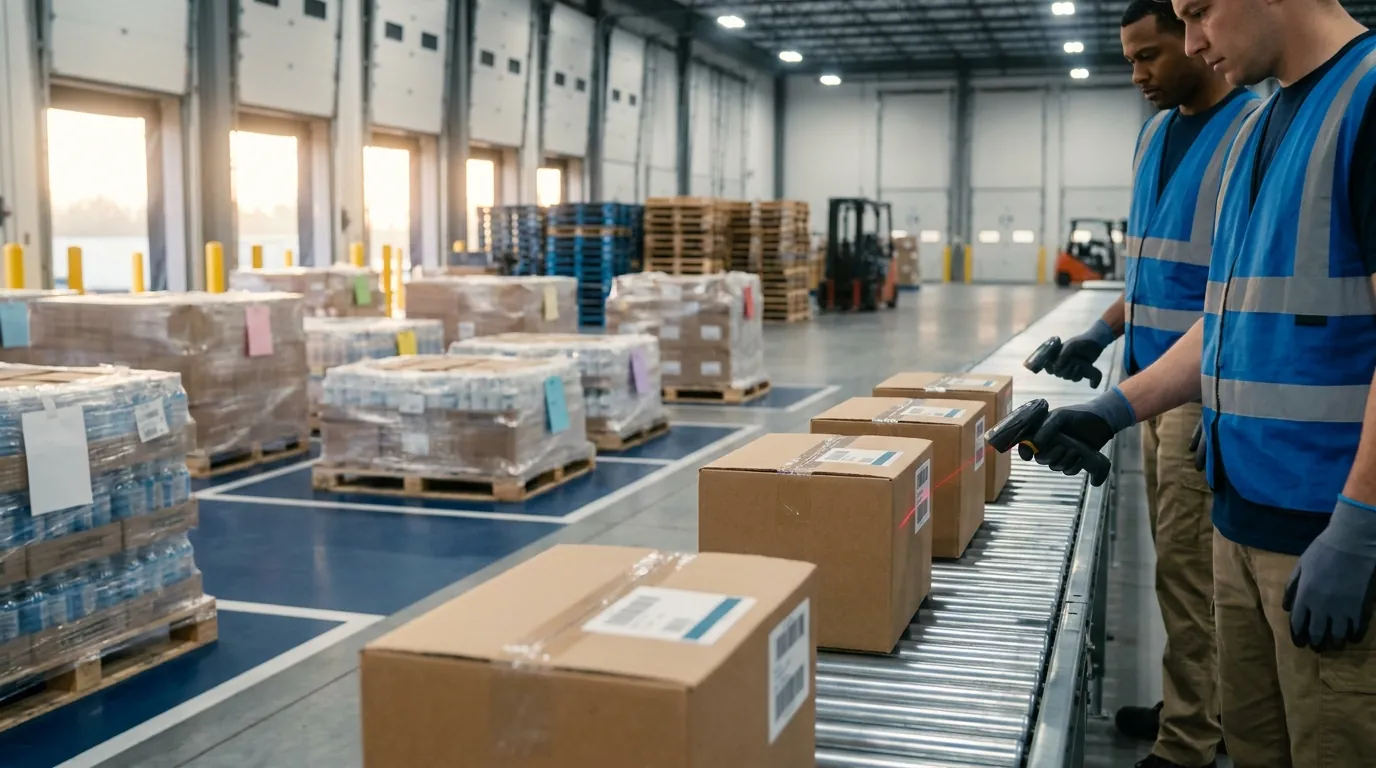
Cold chain management encompasses every process, technology, and procedure involved in maintaining temperature-controlled conditions for perishable products. Unlike standard warehousing and distribution, cold chain operations require continuous monitoring, specialized equipment, and rigorous documentation from the moment products leave manufacturing until they reach end users.
The stakes are significant. The warehouse management software integrates temperature data with inventory records, creating complete product histories for compliance purposes.
Specialized transportation includes refrigerated trucks, insulated containers, and temperature-controlled packaging designed to maintain product integrity during transit. Transport vehicles must be pre-cooled before loading and monitored throughout delivery routes.
Qualified personnel understand cold chain requirements and follow established procedures consistently. Training programs ensure staff recognize the importance of their actions and respond appropriately to temperature alarms or equipment issues.
Food Safety and Traceability, Simplified
Meet FSMA 204 requirements with end-to-end traceability, cold chain monitoring, and recall-ready documentation.
Request a Demo
Cold Chain Logistics: Comparing Transportation Approaches
Moving temperature-sensitive products from origin to destination requires careful planning and the right combination of transportation methods. Different approaches offer distinct advantages depending on product requirements, distance traveled, and budget constraints.
Refrigerated Trucking vs. Insulated Packaging
The choice between active refrigeration and passive insulation depends on shipment characteristics and acceptable risk levels.
Refrigerated trucks (reefers) maintain set temperatures using onboard cooling systems. These vehicles work well for large shipments traveling moderate distances, offering precise temperature control throughout transit. However, reefer trucks cost more to operate and maintain than standard vehicles, and mechanical failures can compromise entire loads.
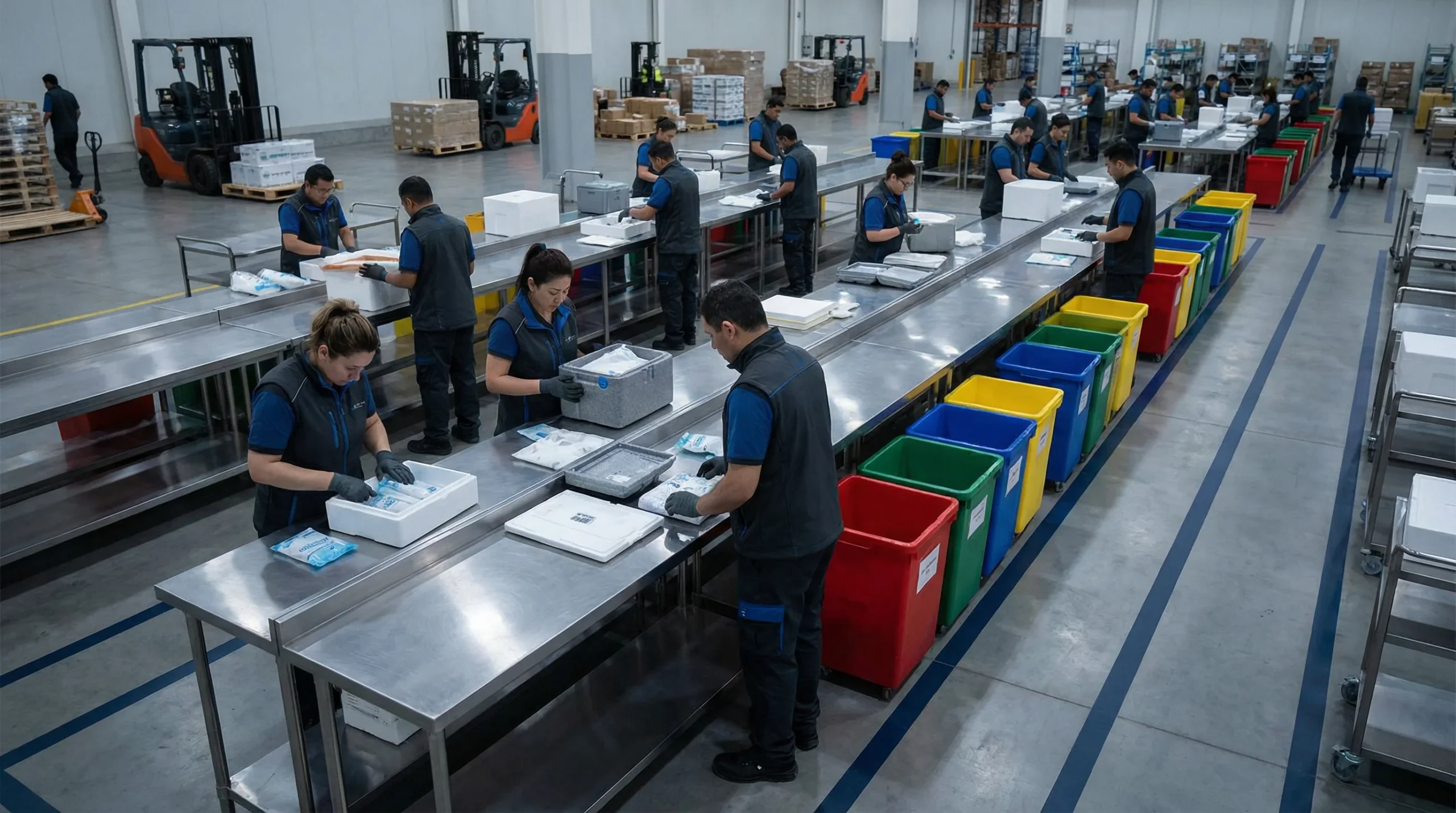
Insulated packaging with phase-change materials maintains temperatures through thermal mass rather than active cooling. Gel packs, dry ice, or specialized phase-change materials absorb heat and keep products within acceptable ranges for defined periods. This approach costs less per shipment and eliminates mechanical failure risks, but requires accurate thermal modeling to ensure protection throughout expected transit times.
Factor Refrigerated Trucks Insulated Packaging
Temperature precision High – actively controlled Moderate – depends on design
Cost per shipment Higher Lower
Duration capability Unlimited while running Limited by thermal design
Failure risk Mechanical breakdown possible No mechanical components
Best for Large shipments, regional distribution Smaller shipments, last-mile delivery
Many operations combine both approaches, using refrigerated trucks for warehouse-to-warehouse transfers and insulated packaging for final delivery to customers or healthcare facilities.
Managing Temperature Variability Across Climate Zones
Cold chain logistics becomes particularly challenging when shipments cross climate boundaries. A product leaving a distribution center in Minnesota during winter faces very different ambient conditions than one departing from Arizona in July.
Successful operations account for seasonal and geographic variability through:
-
Route planning that minimizes exposure to extreme temperatures
-
Adjustable packaging configurations for different shipping lanes
-
Pre-conditioning protocols that account for destination weather
-
Real-time monitoring with geographic tracking to correlate temperature data with location
Organizations serving diverse geographic markets often maintain multiple packaging configurations and update their standard operating procedures seasonally to address changing conditions.
Cold Chain Management Pharmaceuticals: Compliance and Control
Pharmaceutical products present the most demanding cold chain requirements due to strict regulatory oversight and the direct health implications of temperature excursions. pharmaceutical temperature control operations must satisfy requirements from multiple regulatory bodies while maintaining product efficacy throughout distribution.
Regulatory Requirements Comparison
Different regulatory frameworks impose varying requirements on pharmaceutical cold chain operations:
FDA regulations in the United States require pharmaceutical manufacturers and distributors to maintain products within labeled temperature ranges and document storage conditions. The CDC provides specific guidance for vaccine storage and handling that healthcare providers must follow.
EU GDP guidelines (Good Distribution Practice) mandate temperature mapping of storage areas, validation of transport processes, and detailed record-keeping for all temperature-sensitive products. European requirements tend to be more prescriptive about specific documentation and validation procedures.
WHO recommendations establish international standards that many countries adopt or adapt for their national regulations. WHO guidance particularly influences vaccine distribution programs in developing nations.
Companies operating globally must manage overlapping requirements and typically design their operations to meet the most stringent applicable standards. This approach simplifies compliance when shipping across jurisdictions and reduces the risk of regulatory findings during inspections.
Temperature Control Technologies for Pharmaceuticals
Pharmaceutical cold chain operations increasingly rely on advanced technologies to maintain temperature control and document compliance. Organizations working with pharmaceutical distribution requirements must evaluate these technologies carefully.
Data loggers record temperature readings at defined intervals throughout storage and transportation. Modern devices store thousands of readings and download data automatically when products arrive at destination facilities. Some loggers include visual indicators that change color if temperatures exceed preset limits, providing immediate visual confirmation of proper handling.
Real-time monitoring systems transmit temperature data continuously via cellular or satellite connections. These systems enable immediate response to excursions rather than discovering problems after products arrive at their destination. Real-time visibility proves particularly valuable for high-value shipments where intervention during transit could save the load.
Temperature-controlled packaging validation uses thermal testing to verify that packaging systems maintain required temperatures for expected transit durations. Validation studies expose packaging configurations to temperature profiles representing worst-case shipping conditions and document performance at multiple probe locations within the package.

Evaluating Cold Chain Management Solutions
Organizations seeking to improve their cold chain operations face numerous technology and service options. Selecting the right temperature control solutions requires understanding operational requirements, integration needs, and long-term scalability considerations.
Software Platform Comparison
Cold chain management software ranges from standalone temperature monitoring tools to comprehensive platforms that integrate with broader warehouse and transportation management systems.
Standalone monitoring solutions focus specifically on temperature tracking and alerting. These systems work well for organizations with simple cold chain needs or those wanting to add temperature visibility without replacing existing warehouse systems. However, standalone tools often create data silos that complicate compliance reporting and inventory management.
Integrated warehouse management systems incorporate temperature monitoring alongside inventory tracking, order management, and labor coordination. This approach provides unified visibility across operations and simplifies compliance documentation by connecting temperature data directly to product records and lot numbers. Organizations managing complex food and beverage operations often benefit from integrated approaches that support lot tracking and FIFO rotation alongside temperature monitoring.
Cloud-based platforms offer advantages for multi-site operations by centralizing data and enabling remote monitoring across facilities. Cloud solutions typically provide faster implementation and lower upfront costs compared to on-premise systems, though ongoing subscription fees may result in higher total cost of ownership over extended periods.
Key Evaluation Criteria
When comparing temperature control solutions, consider these factors:
-
Integration capabilities: Can the system connect with existing ERP, WMS, and transportation management platforms?
-
Alerting and escalation: How quickly does the system notify operators of temperature excursions, and what escalation paths exist?
-
Reporting and compliance: Does the platform generate reports meeting regulatory requirements for your products and markets?
-
Scalability: Can the solution grow with your operation as you add facilities, products, or temperature zones?
-
Mobile access: Do staff members need to view temperatures and respond to alerts from smartphones or tablets?
-
Validation support: Does the vendor provide documentation supporting system validation for pharmaceutical applications?
The right solution depends on operational complexity, regulatory requirements, and existing technology infrastructure. Organizations should request demonstrations using scenarios reflecting their actual operations rather than generic product tours.
Learning from Cold Chain Implementations
Examining how organizations have approached cold chain challenges provides practical insights for planning improvements. The following scenarios illustrate common patterns in successful implementations.
Scenario: Pharmaceutical Distribution Center Transformation
Consider a mid-sized pharmaceutical distributor facing increased regulatory scrutiny following an FDA inspection that identified documentation gaps in their temperature monitoring processes. Their existing system relied on manual temperature checks recorded on paper logs, making it difficult to demonstrate continuous compliance during audits.
The organization implemented several changes:
-
Deployed wireless temperature sensors throughout their cold storage areas with readings captured every five minutes
-
Integrated sensor data with their warehouse management system to link temperature records directly to inventory lots
-
Established automated alerts that notify supervisors when temperatures approach action limits, before reaching critical thresholds
-
Created dashboard displays showing real-time temperatures in warehouse common areas to increase staff awareness
The results included faster audit responses, reduced investigation time when temperature questions arose, and improved staff engagement with cold chain procedures. Temperature excursion incidents decreased as the increased visibility enabled earlier intervention.
Scenario: Regional Logistics Provider Optimization
A regional third-party logistics provider serving multiple food and pharmaceutical clients struggled with inconsistent temperature performance across their truck fleet. Some routes consistently delivered products at proper temperatures while others frequently showed excursions, but the company lacked data to identify root causes.
Their improvement approach included:
-
Installing GPS-enabled temperature monitors in all refrigerated trailers with cellular data transmission
-
Analyzing temperature data alongside route information to identify problematic lanes and drivers
-
Implementing pre-trip inspection procedures that verified refrigeration unit performance before loading
-
Establishing loading protocols that minimized door-open time and ensured proper air circulation around cargo
Analysis revealed that most excursions occurred on specific routes with extended loading times at customer facilities. Armed with this data, the company worked with customers to improve dock scheduling and reduce wait times, addressing the root cause rather than treating symptoms.
Future Trends and Sustainability in Cold Chain Operations
Cold chain management continues evolving as new technologies mature and sustainability pressures increase. Organizations planning cold chain investments should consider how emerging trends may affect their operations over the next five to ten years.
Technology Developments Reshaping Cold Chain
Several technological advances are changing what’s possible in cold chain management:
Internet of Things (IoT) proliferation is driving down sensor costs while improving capabilities. Lower-cost sensors enable monitoring at the pallet or case level rather than just ambient room temperatures, providing more granular visibility into actual product conditions.
Machine learning applications are emerging for predictive maintenance of refrigeration equipment and forecasting temperature risks based on weather, traffic, and historical performance data. These tools help organizations shift from reactive response to proactive prevention.
Blockchain for traceability offers potential for creating immutable records of temperature conditions throughout supply chains involving multiple parties. While still maturing, blockchain-based systems may eventually simplify compliance documentation and enable faster identification of accountability when problems occur.
Advanced packaging materials including vacuum-insulated panels and bio-based phase change materials are extending passive protection durations while reducing packaging weight and volume. These improvements particularly benefit e-commerce cold chain operations where shipping costs directly impact profitability.
Sustainability Practices in Cold Chain Management
Environmental concerns are driving significant changes in cold chain operations. Refrigeration systems historically relied on refrigerants with high global warming potential, and the energy intensity of cold storage contributes substantially to supply chain carbon footprints.
Organizations are responding through multiple approaches:
-
Natural refrigerant adoption: Newer systems using CO2, ammonia, or hydrocarbon refrigerants offer dramatically lower environmental impact compared to traditional HFC systems
-
Energy efficiency investments: LED lighting, variable-speed compressors, improved insulation, and smart building controls reduce energy consumption in cold storage facilities
-
Renewable energy integration: Solar installations, particularly in sunny climates, can offset significant portions of cold storage electricity demand
-
Packaging optimization: Reducing packaging weight and transitioning to recyclable or reusable materials decreases waste while often lowering shipping costs
-
Route optimization: Software that minimizes miles traveled and maximizes load utilization reduces fuel consumption and emissions per unit delivered
Sustainability improvements often align with cost reduction goals, creating business cases that satisfy both environmental and financial objectives. Organizations that invest early in sustainable cold chain practices may also gain advantages as regulations tighten and customers increasingly consider environmental factors in supplier selection.
Preparing for Tomorrow’s Cold Chain Requirements
Forward-thinking organizations are preparing for increased cold chain demands by building flexibility into their operations. This includes:
Designing facilities with expansion capacity for additional cold storage zones as product requirements evolve. Many newer distribution centers include shell space that can be converted to cold storage relatively easily.
Selecting technology platforms that accommodate new sensor types, data sources, and reporting requirements through configuration rather than replacement. Open architectures and API-based integrations provide more flexibility than closed proprietary systems.
Developing workforce capabilities through training programs that help staff understand cold chain principles, not just follow procedures. Employees who understand why temperature control matters make better decisions when facing unexpected situations.
Building Your Cold Chain Strategy
Effective cold chain management requires coordinating people, processes, and technology across complex operations. The organizations that succeed treat cold chain as a strategic capability rather than a compliance burden, investing in systems and training that support consistent performance.
Whether your operation handles pharmaceuticals with strict regulatory requirements or food products where freshness directly impacts customer satisfaction, the fundamental principles remain consistent: maintain continuous temperature control, document conditions thoroughly, respond quickly to excursions, and continuously improve based on performance data.
The complexity of modern cold chain operations means most organizations benefit from working with experienced partners who understand both the technical requirements and practical implementation challenges. Technology investments deliver value only when supported by appropriate processes and trained personnel.
Ready to strengthen your cold chain operations? Contact the ASC Software team to discuss your specific requirements and explore solutions that match your operational needs. Visit our solutions overview to learn more about warehouse management capabilities that support temperature-sensitive distribution, or sign up for our newsletter to receive ongoing insights about supply chain best practices and emerging trends.
Frequently Asked Questions
What is cold chain logistics and why is it important?
Cold chain logistics involves maintaining temperature-controlled environments for perishable goods during transport. It is crucial because improper temperature management can lead to product spoilage, especially for sensitive items like vaccines and fresh produce. Effective cold chain logistics ensure product safety and compliance with regulatory standards.
How does cold chain management impact pharmaceuticals?
Cold chain management is critical for pharmaceuticals to maintain drug efficacy and safety. It involves rigorous temperature monitoring and documentation from production to delivery. Any temperature excursion can lead to significant financial losses and regulatory challenges. For instance, biologic medications and mRNA vaccines require strict temperature controls to remain effective, making strong cold chain management essential for pharmaceutical companies.
What are the components of effective these solutions?
Effective cold storage solutions include continuous temperature monitoring, specialized equipment, and detailed documentation processes. These components ensure that temperature-sensitive products remain within safe temperature ranges throughout the supply chain. Advanced technologies such as IoT sensors and real-time tracking systems play a crucial role in enhancing cold chain reliability. For example, real-time alerts can prevent potential temperature excursions, safeguarding product integrity.
Why is temperature control crucial in cold chain logistics?
Temperature control is crucial in cold chain logistics to prevent spoilage and ensure product safety. It involves maintaining specific temperature ranges to preserve the quality of perishable goods, such as pharmaceuticals and fresh produce. Failure to control temperatures can result in significant waste and financial losses. For instance, improper temperature management can render vaccines ineffective, leading to potential health risks and regulatory issues.
How can companies improve their pharma cold storage?
Companies can improve pharmaceutical temperature control by implementing strong monitoring systems and training staff on best practices. Utilizing advanced technologies like IoT devices for real-time temperature tracking enhances visibility and control. Regular audits and compliance checks ensure adherence to regulatory standards. For example, integrating automated alerts can help prevent temperature excursions, safeguarding product integrity and reducing waste.