



Warehouse Technology to Transform Your Business
Kurt AdamsPublished: March 17, 2022 | Updated: February 17, 20266 minutes
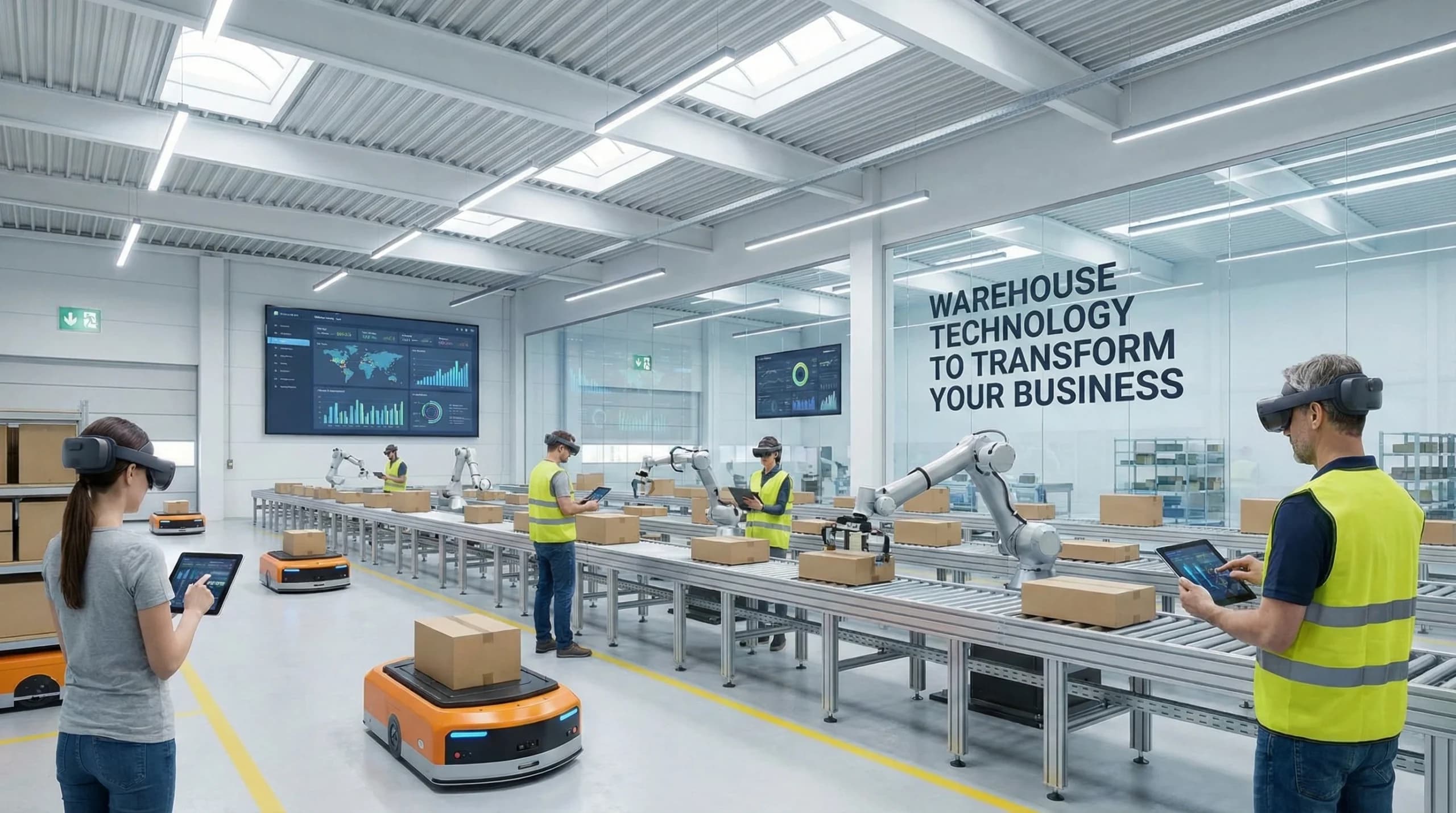
Best-of-class WMS software, automated technologies, and robotics are the future for warehouses to remain competitive.
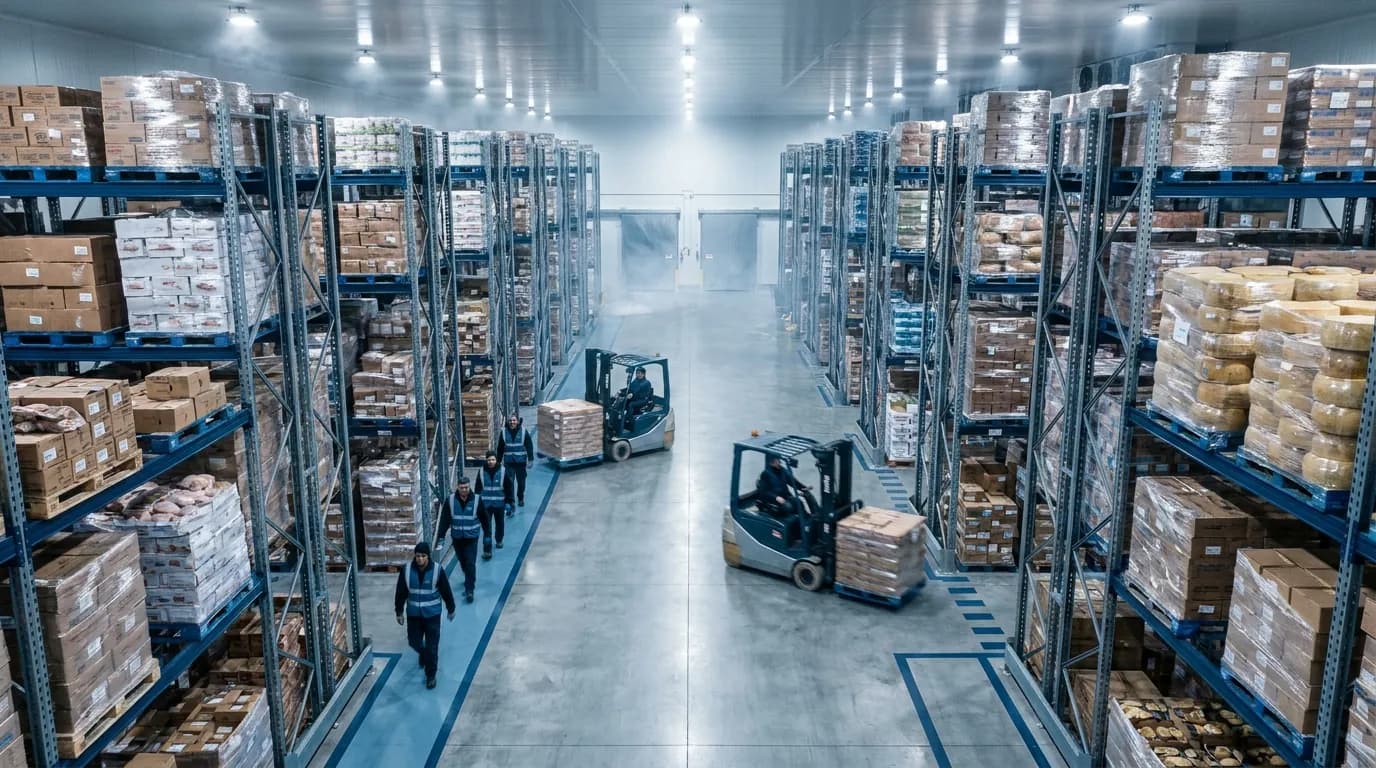
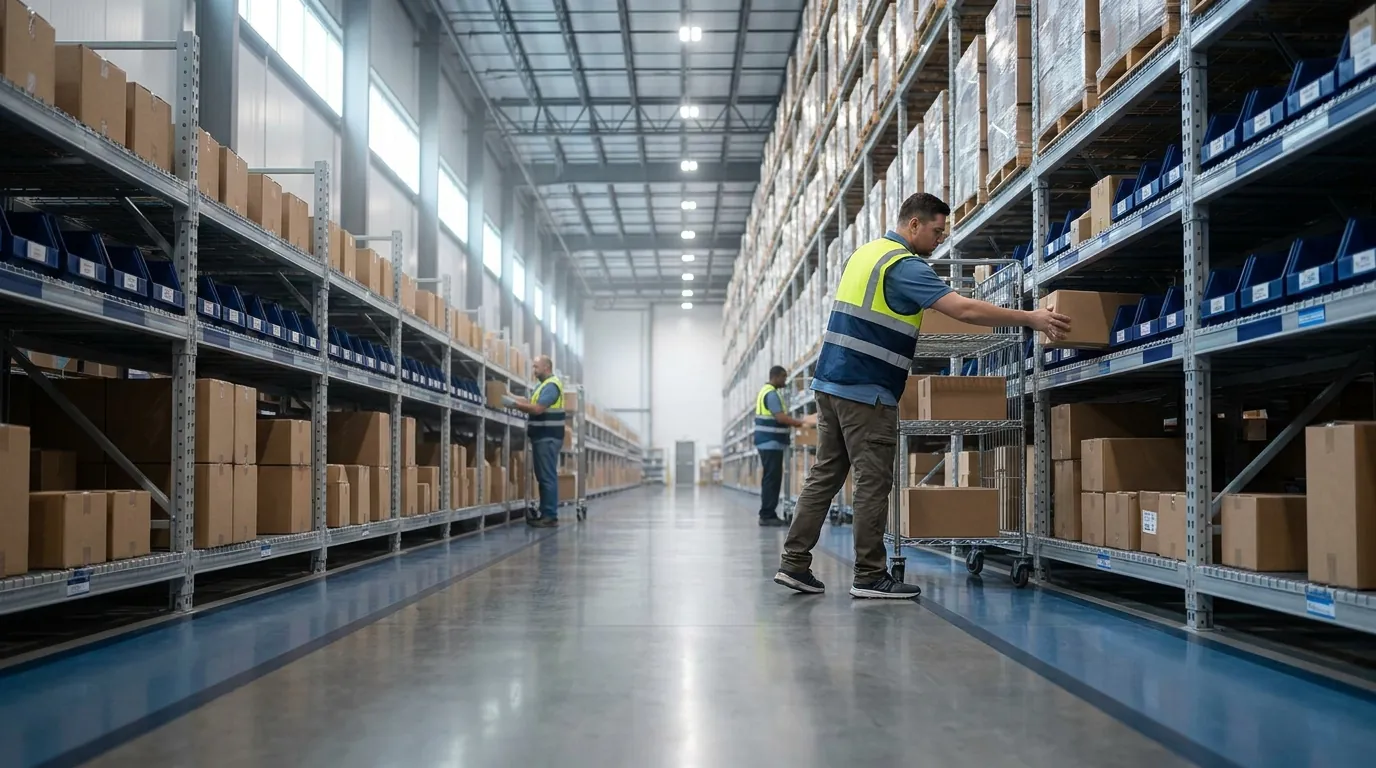
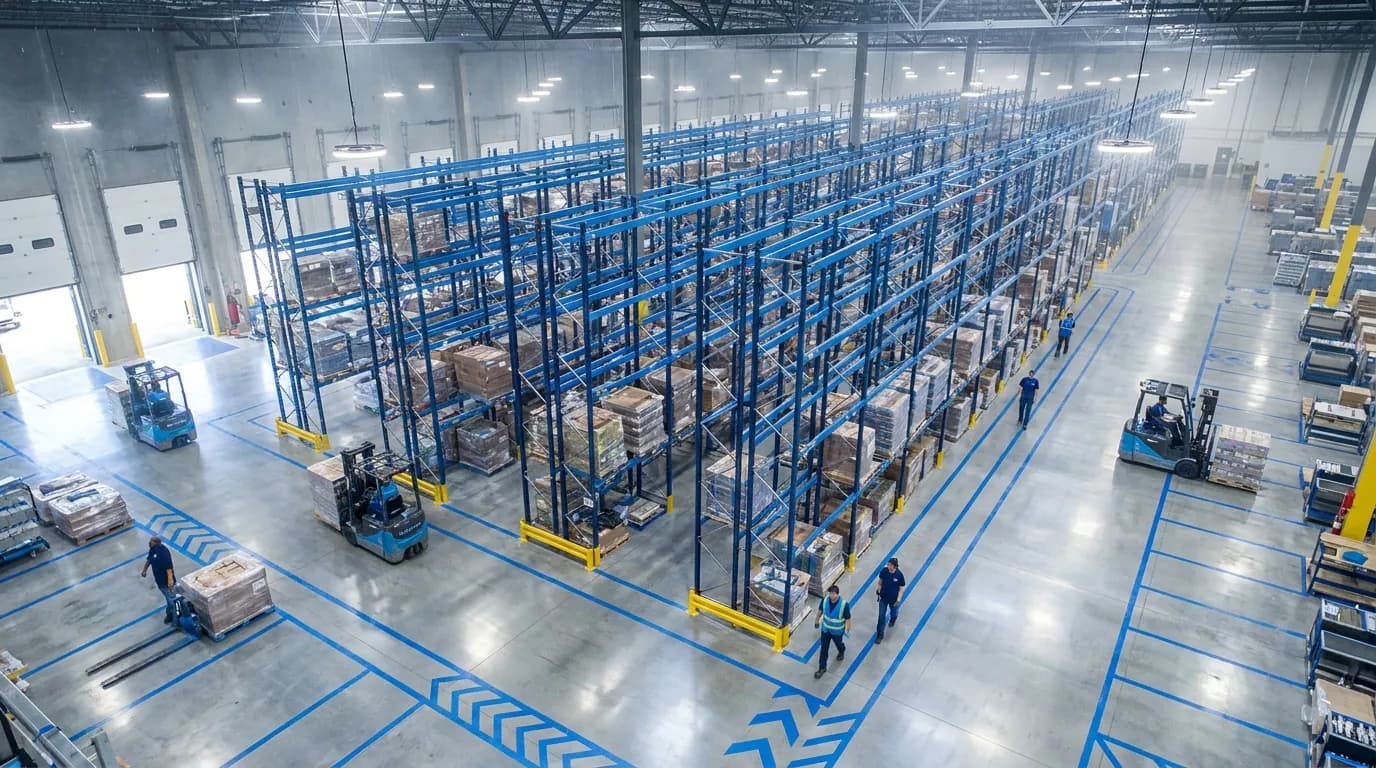
If you have ever toured a warehouse of the future, you most likely discovered that they are quite a thing of wonder. It’s hard not to be impressed with the seamless flow of people, systems, and machinery working together to produce, pick, package, and ship products out the door with ease. This level of efficiency is a result of ever-evolving warehouse technology implemented into business operations, such as premium warehouse management system (WMS) software, wearable and mobile tech, RFID, and even full robotics automation in some cases.
It all begins with advanced WMS software. By implementing the best warehouse system software, a distribution facility can realize increased efficiency through real-time inventory control, advanced quality control processes, automated report generation, and flexible logistics scheduling. Choosing a WMS software that includes warehouse control system (WCS) abilities offers even more benefits. WCS coordinates multiple types of material handling equipment within one system for synchronized, high throughput processing. With the two systems working together, operations become more streamlined for maximum efficiency.
Modern warehouses and manufacturers incorporate the newest innovations in wearable and mobile technology to keep operations running smoothly. Employees are able to locate, pick, pack, and ship products more easily through their warehouse software, saving time and money. Inbound Logisticsrecently reported that 44% of respondents to a 2019 study by warehouse technology provider Zebra are using wearable tech, and over 90% expect to adopt wearable mobile computers by 2028. Adopting this technology with RF, RFID, voice picking, and sensor and auto-identification scanning can truly make a warehouse facility more competitive.
Automation in the Warehouse
One of the biggest transformations a company can undergo is the implementation of robotics automation. From computerized picking and packaging to inventory movement throughout a facility via automated guided vehicles (AGVs), the use of industrial robots has been growing over the years.
There was a large surge of robotics automation most recently due to workers needing to be at least six feet apart to comply with pandemic health and safety guidelines, followed by worker shortages from The Great Resignation. Supply Chain Dive has reported that the Association for Advancing Automation (A3) stated North American industrial robot orders set a new record in 2021 with 39,708 units ordered, up 14% from its last highest point in 2017.
More industries recognized that robotics could help reverse productivity declines and fill repetitive jobs human workers don’t want,” said Jeff Burnstein, president of A3, in a statement. “It is no longer a choice whether to deploy robots and automation. It’s now an absolute imperative.”
What newest technology are you using to increase warehouse operational efficiency? Are you looking to implement robotics automation in the near future? Let us know!
Smarter Warehouse Management Starts Here
ASCTrac WMS delivers real-time visibility, automated workflows, and seamless ERP integration for warehouses of every size.
Request a Demo
Cloud-Based Warehouse Management Systems
The shift from on-premise to cloud-based warehouse management systems represents a fundamental transformation in how businesses approach warehouse operations. Cloud WMS platforms offer unprecedented scalability, accessibility, and cost-effectiveness compared to traditional systems.
Key Advantages of Cloud WMS
-
Real-time accessibility: Access your warehouse data from anywhere with an internet connection, enabling remote management and multi-location oversight
-
Automatic updates: Software updates deploy seamlessly without downtime or IT intervention
-
Reduced IT infrastructure costs: Eliminate the need for on-site servers and dedicated IT staff for system maintenance
-
Rapid deployment: Implementation typically takes weeks rather than months compared to on-premise solutions
Modern cloud WMS platforms integrate with existing enterprise resource planning (ERP) systems, e-commerce platforms, and transportation management systems to create a unified supply chain ecosystem. This integration eliminates data silos and provides comprehensive visibility across all operations.
Security and Compliance Considerations
Leading cloud WMS providers implement enterprise-grade security measures including data encryption, multi-factor authentication, and regular security audits. Many platforms maintain SOC 2 compliance and offer detailed audit trails to meet regulatory requirements in industries such as pharmaceuticals and food distribution.
Internet of Things (IoT) and Smart Sensors
IoT technology transforms warehouses into intelligent, connected environments where equipment, inventory, and environmental conditions are continuously monitored and optimized. Smart sensors provide granular visibility into operations that was previously impossible to achieve.
Environmental Monitoring Applications
Temperature and humidity sensors are critical for warehouses storing perishable goods, pharmaceuticals, or electronics. These devices automatically log environmental data and trigger alerts when conditions fall outside acceptable ranges. Companies like Walmart use IoT sensors to monitor refrigeration systems across their distribution centers, reducing spoilage by up to 30%.
Asset Tracking and Utilization
IoT-enabled asset tracking provides real-time location data for equipment such as forklifts, pallet jacks, and mobile devices. This technology helps warehouse managers:
-
Optimize equipment utilization rates
-
Schedule preventive maintenance based on actual usage data
-
Identify bottlenecks in material handling processes
-
Reduce equipment theft and misplacement
Smart sensors attached to storage racks can detect weight changes and structural stress, providing early warnings for potential safety hazards or capacity issues.
Artificial Intelligence and Predictive Analytics
AI-powered analytics transform raw warehouse data into actionable insights that drive operational improvements and strategic decision-making. These systems analyze patterns in historical data to predict future trends and optimize resource allocation.
Demand Forecasting and Inventory Optimization
Machine learning algorithms analyze sales data, seasonal trends, and external factors to generate accurate demand forecasts. This capability enables warehouses to maintain optimal inventory levels, reducing carrying costs while minimizing stockouts. Companies using AI-driven demand planning report inventory reduction of 10-25% while maintaining service levels.
Predictive Maintenance for Equipment
AI systems monitor equipment performance data to predict when maintenance is needed before failures occur. This approach reduces unplanned downtime by up to 70% and extends equipment lifespan. Sensors collect data on vibration, temperature, and operating hours, while AI algorithms identify patterns that indicate impending equipment issues.
Labor Optimization and Workforce Planning
AI analyzes historical order patterns, seasonal fluctuations, and productivity metrics to optimize staffing levels and shift scheduling. These systems can predict peak periods and recommend staffing adjustments days or weeks in advance. Advanced platforms also identify training opportunities by analyzing individual worker performance data and recommending skill development programs.
Warehouse labor productivity increases by an average of 15-20% when AI-driven workforce optimization tools are properly implemented, according to industry studies.
Frequently Asked Questions
What warehouse technologies provide the best return on investment?
Warehouse management systems typically deliver the best ROI by improving accuracy, reducing labor costs, and optimizing space utilization. Barcode scanning and mobile devices provide quick wins with minimal investment. Voice picking technology increases productivity while reducing errors. The best technology investments depend on your specific pain points and operational priorities.
How does automation improve warehouse efficiency?
Automation reduces manual handling, increases throughput speed, and improves accuracy. Automated conveyors move products faster than manual transport. Robotic picking systems work continuously without fatigue. Automated storage and retrieval systems maximize vertical space utilization. While requiring significant investment, automation addresses labor shortages and scales operations without proportional workforce increases.
What role does data analytics play in modern warehouses?
Data analytics transforms warehouse operations by identifying patterns, predicting demand, and optimizing processes. Analytics reveal which products move fastest, where bottlenecks occur, and how labor resources should be allocated. Predictive analytics help anticipate seasonal demands and staffing needs. This data-driven approach replaces gut instinct with measurable insights for continuous improvement.
How should companies prioritize warehouse technology investments?
Companies should start by identifying their biggest operational pain points and calculating potential ROI for addressing each one. Begin with foundational systems like WMS before adding specialized technologies. Consider implementation complexity and staff training requirements. Phased rollouts allow teams to adapt while delivering incremental value. Avoid implementing technology for its own sake without clear business justification.
What is the role of artificial intelligence in modern warehouse operations?
AI enhances warehouse operations through demand forecasting, dynamic slotting optimization, and predictive maintenance for equipment. Machine learning algorithms analyze patterns to improve picking routes and labor allocation. AI-powered vision systems enable quality inspection and inventory counting. These technologies continuously learn and improve, delivering compounding efficiency gains over time.