




The Essential Guide to Cold Chain Logistics: Trends & Strategies
Kurt AdamsPublished: May 12, 202612 minutes
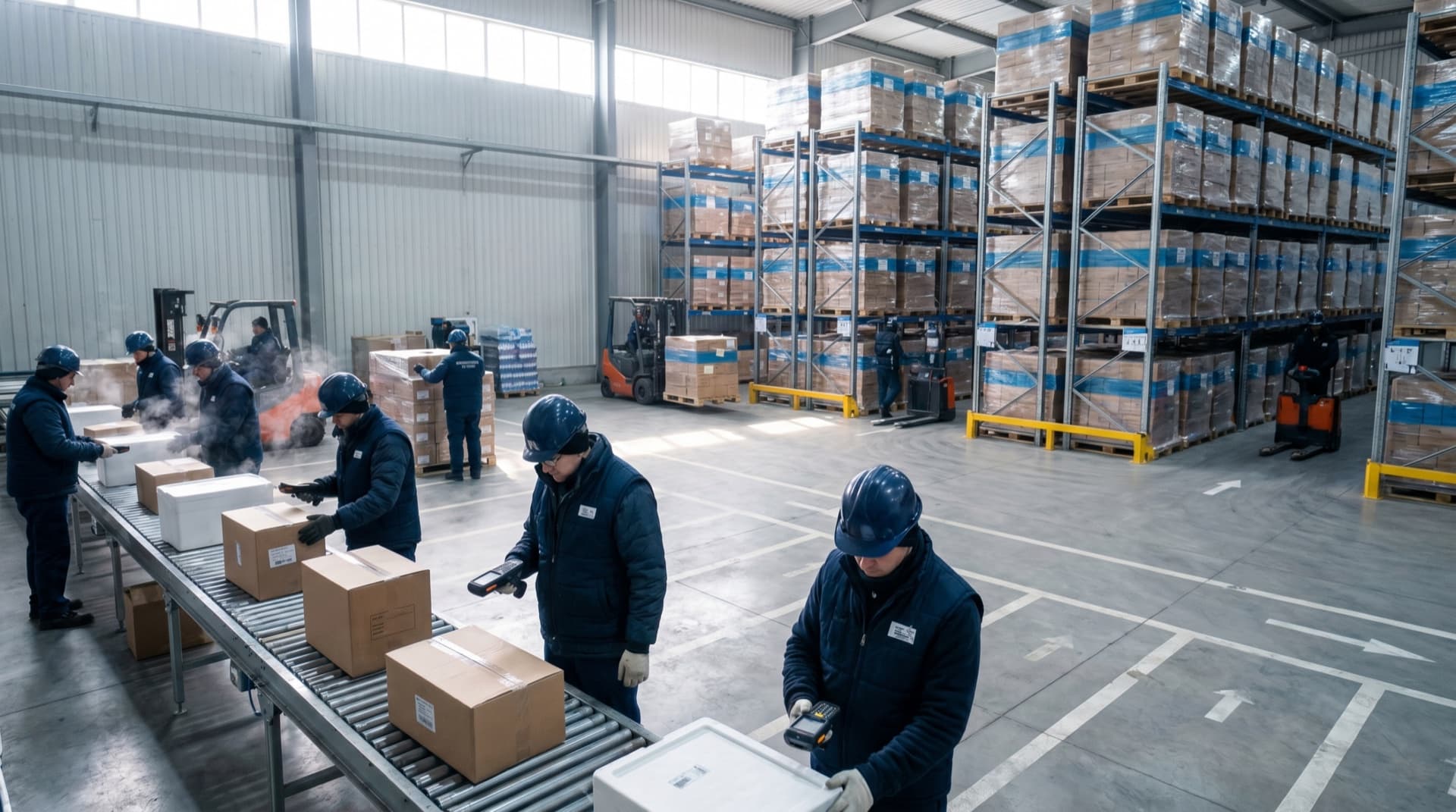
Cold chain logistics is the discipline of moving temperature-sensitive goods—food, pharmaceuticals, biologics—through a controlled environment from origin to final destination without a break in the cold chain. A single temperature excursion can ruin an entire shipment of vaccines, spoil tons of fresh produce, or trigger costly regulatory penalties. If you’ve ever watched a load arrive out of spec, you know the financial and reputational damage runs deep. So what is cold chain logistics, and why has it become the backbone of industries from pharmaceuticals to specialty foods? At its core, cold chain logistics management is the discipline of keeping temperature-sensitive products within strict thermal limits from origin to destination. This guide examines how 3pl cold chain logistics partnerships work, what cold chain pharmaceutical logistics requires, and how leading cold chain logistics companies are responding to pressure for sustainability, transparency, and tighter compliance.
Whether you ship insulin, ice cream, or biologics, the challenges look similar: equipment failures, customs delays, last-mile temperature spikes, and growing regulatory scrutiny. The strategies that separate top performers from the rest involve smarter technology, better partner selection, and a proactive approach to risk. The following sections break down each piece, with practical guidance you can apply to your own operation.
Introduction to Cold Chain Logistics
Cold chain logistics covers the transport, storage, and handling of products that must stay within a defined temperature range. A break anywhere in that chain, even briefly, can compromise product safety and efficacy. The stakes are highest in pharmaceuticals and food, but the discipline also touches chemicals, cosmetics, and floral products.
What is Cold Chain Logistics?
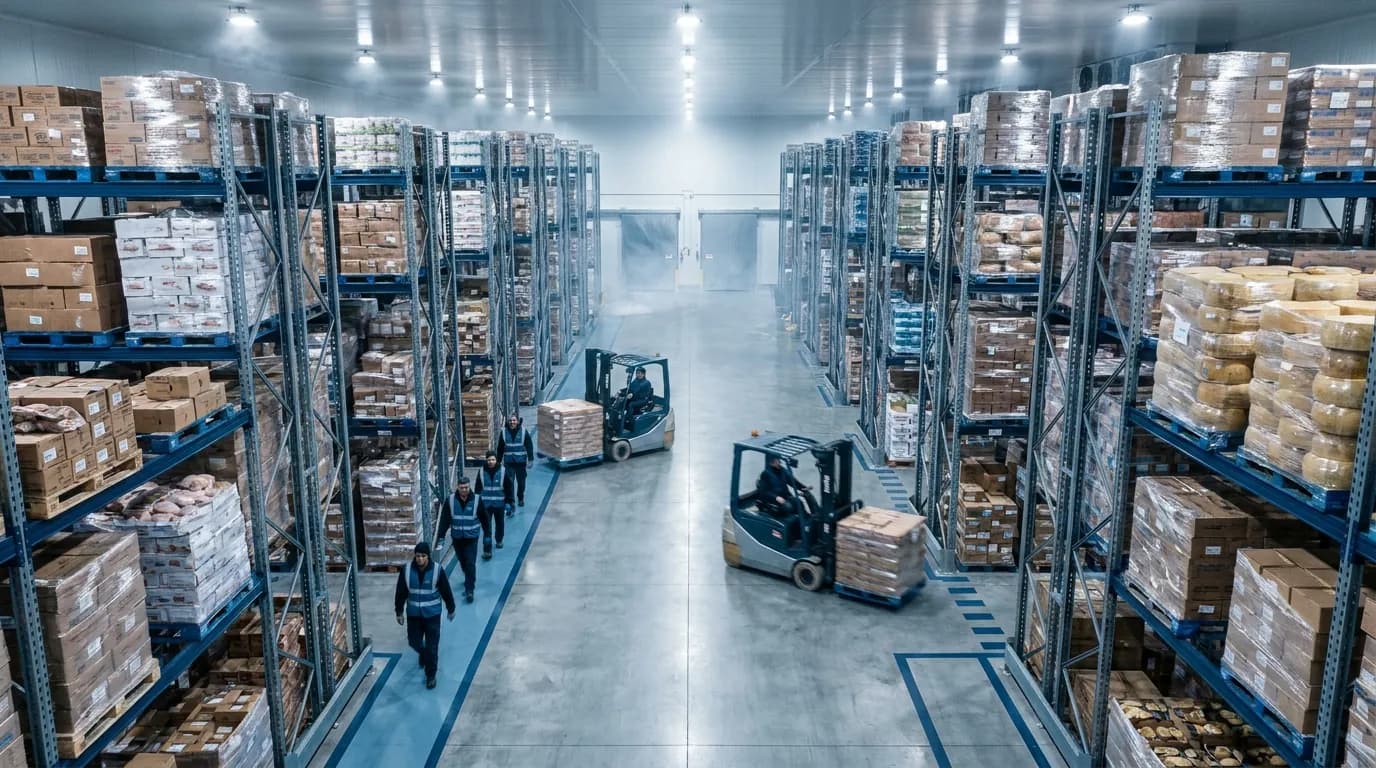
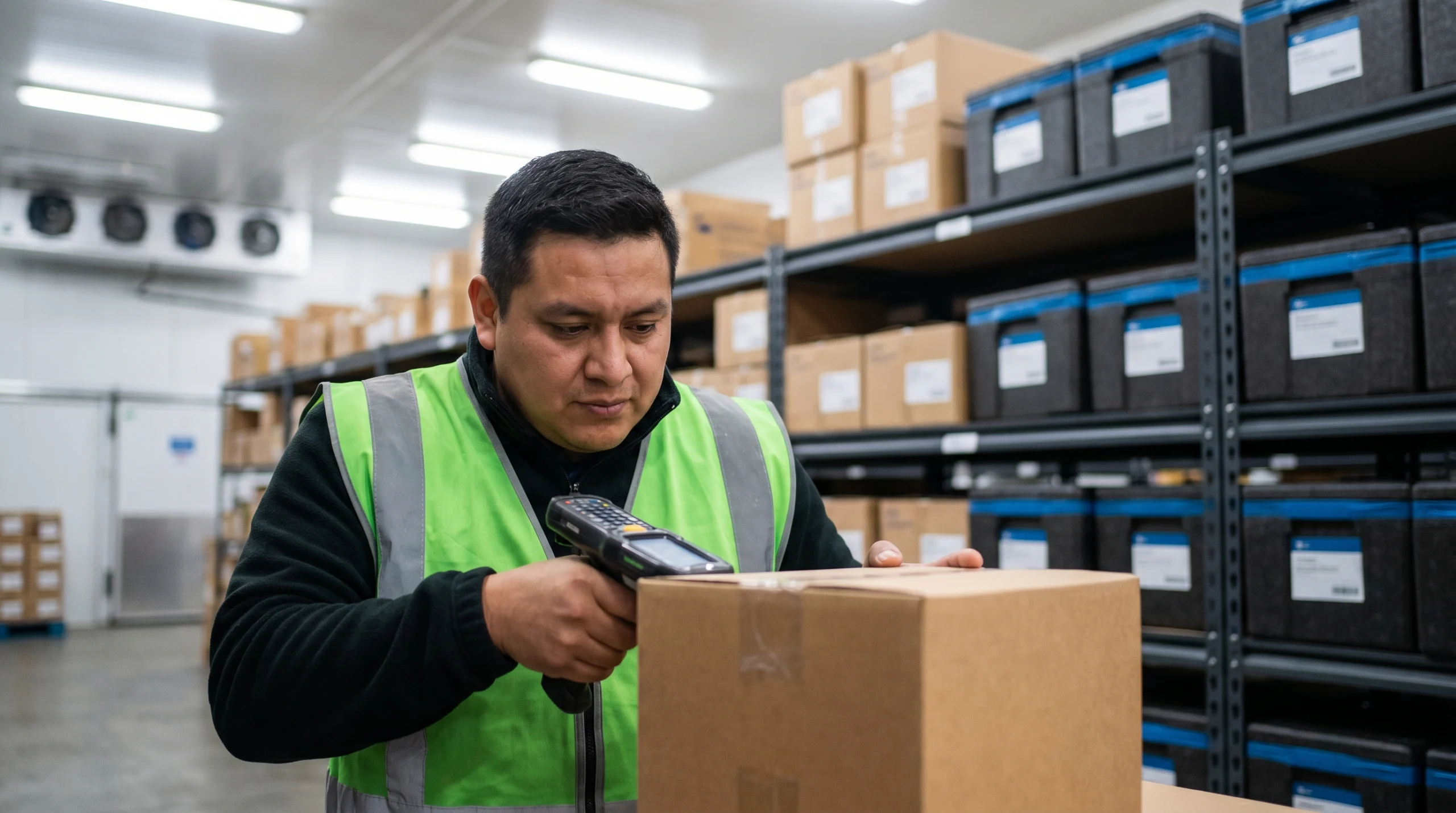
Put simply, what is cold chain logistics if not a coordinated system of refrigerated storage, insulated transport, monitoring devices, and trained personnel working together to maintain product integrity? It includes refrigerated trucks and containers, cold storage warehouses, temperature-controlled packaging, and the data systems that prove compliance throughout the trip.
The complexity grows with each handoff. Every loading dock, customs checkpoint, and last-mile delivery introduces potential exposure. A well-designed cold chain anticipates these vulnerabilities and builds in redundancy, whether through phase-change materials, dual-zone trailers, or real-time alerts that flag problems before products are lost.
Importance in Various Industries
Pharmaceuticals depend on cold chain integrity to deliver vaccines, biologics, and gene therapies that can lose potency outside narrow temperature windows. Food and beverage operations rely on it to meet FDA requirements and consumer expectations for fresh, safe products. Even specialty chemicals and certain electronics need climate control to perform as designed.
Regulators have responded by tightening standards. The FDA, EMA, and WHO all publish guidelines that essentially require documented temperature control across the entire distribution path. Companies operating in regulated pharmaceutical distribution environments face particularly demanding audit trails, lot-level traceability, and serialization mandates.
End-to-End Supply Chain Visibility
Connect demand planning, inventory control, and order management with ASCTrac's integrated platform.
Request a Demo
The Role of 3PL in Cold Chain Logistics
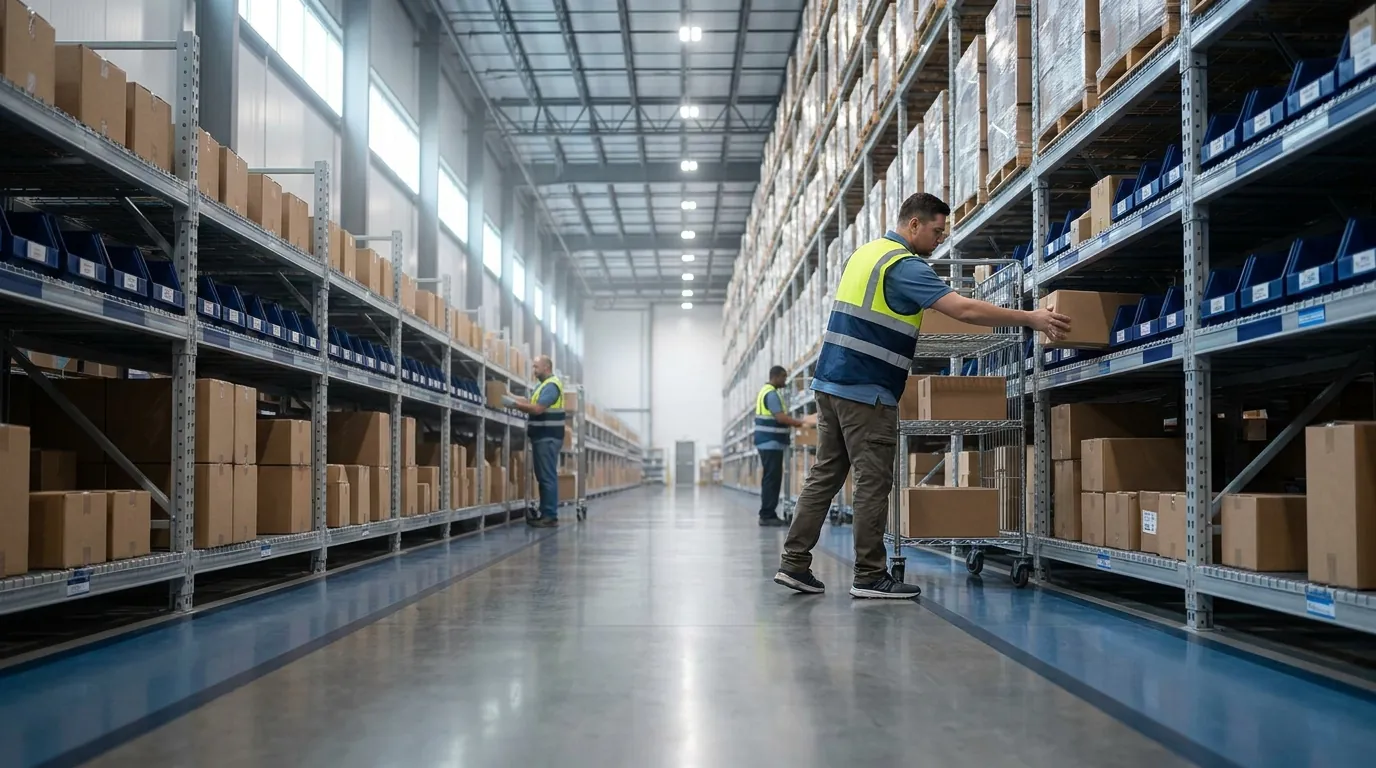
Building cold chain capability in-house demands heavy capital investment in refrigerated facilities, specialized fleets, monitoring technology, and trained staff. For most shippers, that math doesn’t work. This is why 3pl cold chain logistics has grown so quickly over the last decade: third-party providers spread those fixed costs across many clients while delivering specialized expertise that’s hard to replicate internally.
Benefits of 3PL Solutions
A capable 3PL brings infrastructure, regulatory knowledge, and scalable capacity to the table. Instead of building a network from scratch, shippers tap into existing cold storage facilities, refrigerated trucking lanes, and validated processes. The benefits typically include:
-
Lower capital expenditure on refrigerated warehouses and equipment
-
Access to validated standard operating procedures and trained personnel
-
Geographic flexibility through established multi-site networks
-
Built-in monitoring technology and reporting tools
-
Surge capacity during seasonal peaks or product launches
-
Established relationships with carriers, customs brokers, and regulators
For growing brands, a 3PL relationship can mean the difference between hitting a market window and missing it. Providers experienced in third-party logistics fulfillment operations often run sophisticated warehouse management systems that give clients visibility into inventory, lot codes, and temperature data without the cost of building those tools internally.
Choosing the Right 3PL Partner
Not every 3PL is built for cold chain work. Evaluating potential partners requires looking past general logistics credentials to verify cold-specific capabilities. Key questions include:
-
Does the provider hold relevant certifications such as GDP, HACCP, or SQF?
-
What temperature ranges can they support, and at what facilities?
-
How is temperature data captured, stored, and shared with clients?
-
What is their excursion response protocol, and how is it documented?
-
Do they have experience with your specific product category and regulatory environment?
-
What technology platform supports inventory and order management?
Reference checks matter here. A partner who has weathered audits, recalls, and equipment failures with other clients in your industry will handle yours with far more confidence than a generalist learning on your account.
Cold Chain Pharmaceutical Logistics: Challenges and Solutions
Few sectors face the precision requirements of cold chain pharmaceutical logistics. Vaccines, monoclonal antibodies, cell and gene therapies, and certain insulin products demand strict temperature control, often within a few degrees Celsius. A failure isn’t just expensive. It can affect patient outcomes and trigger regulatory action.
Regulatory Requirements
Good Distribution Practice (GDP) sets the global baseline for pharmaceutical handling. The guidelines cover qualified equipment, validated transport routes, documented training, and complete traceability from manufacturer to dispensing point. The Global Cold Chain Alliance publishes additional resources that help shippers and providers align with industry standards.
Serialization rules under the Drug Supply Chain Security Act (DSCSA) in the US and the Falsified Medicines Directive in Europe add another layer. Each saleable unit must carry a unique identifier that can be traced through every transaction. That requirement intersects with cold chain handling because temperature data and chain-of-custody records often need to be linked to those serialized units for audit purposes.
Innovative Solutions
Technology is reshaping how pharmaceutical shippers manage these obligations. IoT-enabled sensors transmit temperature, humidity, light exposure, and shock data continuously, replacing the old practice of downloading a logger after delivery. Blockchain pilots aim to create tamper-proof records of custody transfers. Active packaging using powered refrigeration or phase-change materials extends safe transit times for high-value biologics.
Industry publications such as Pharmaceutical Commerce regularly cover advances in monitoring, packaging, and transport that pharmaceutical shippers can apply to their own programs. The common thread is moving from reactive (discovering an excursion after delivery) to proactive (intervening while a shipment is still in motion).
Effective Cold Chain Logistics Management Strategies
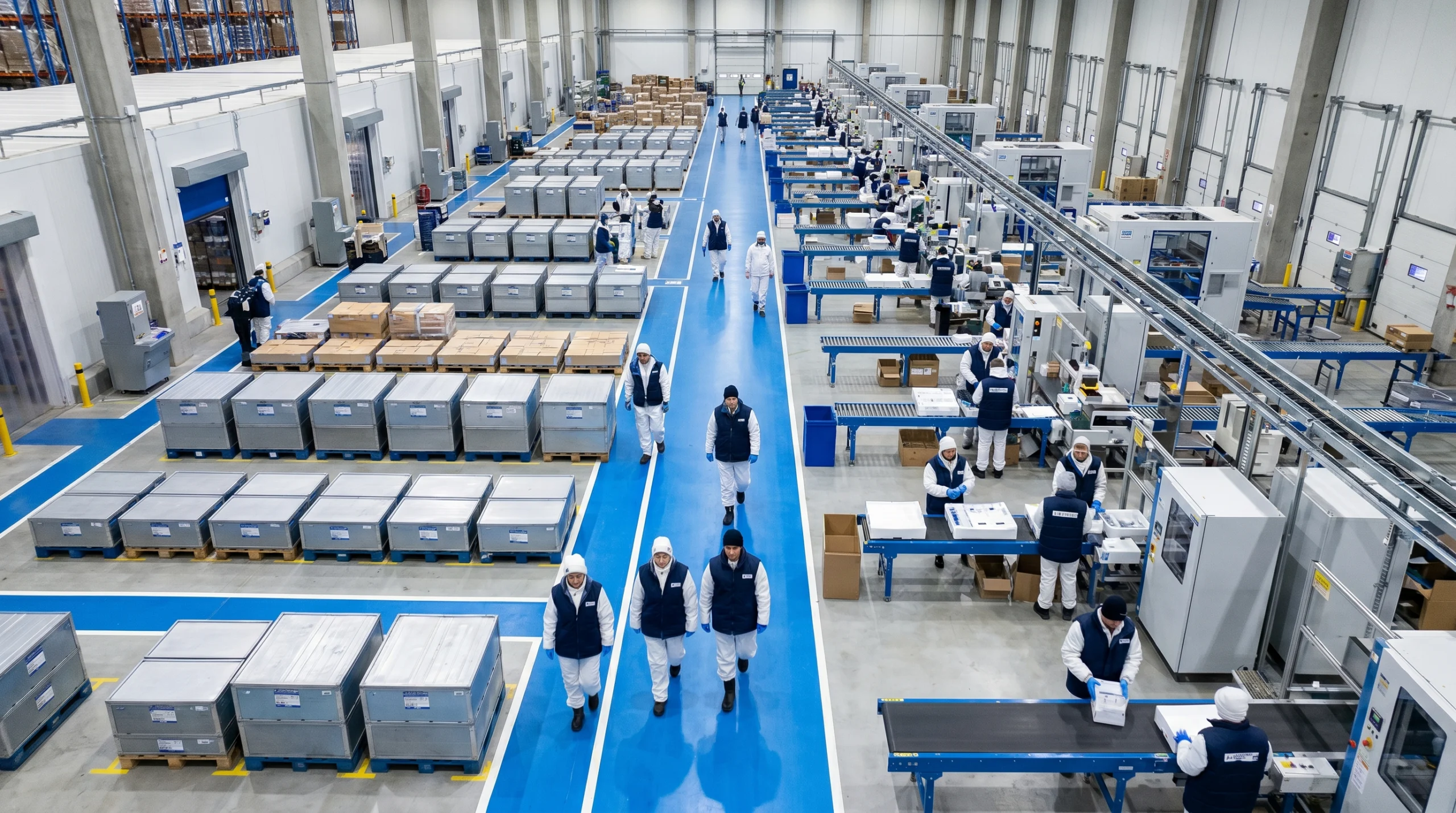
Strong cold chain logistics management blends process discipline with the right technology stack. The best operations treat the cold chain as a continuous system rather than a series of isolated handoffs, which means investing in visibility, training, and contingency planning at every link.
Best Practices
Operational excellence in cold chain work tends to come down to a few fundamentals applied consistently:
-
Qualification and validation: Every refrigerator, freezer, trailer, and shipping container should be qualified for its intended use, with documented temperature mapping.
-
Standard operating procedures: Loading, receiving, and exception handling all need clear, written procedures that staff can follow under pressure.
-
Training and certification: Personnel handling temperature-sensitive products need recurring training, not just an onboarding session.
-
Risk assessment: Lane-by-lane analysis identifies where excursions are most likely and what mitigation makes sense.
-
Inventory accuracy: First-expired-first-out picking and accurate lot tracking prevent waste and protect product quality.
-
Continuous improvement: Excursion data should feed back into lane qualification, packaging selection, and partner reviews.
Technology Integration
Visibility is the foundation of modern cold chain management. Without accurate, timely data, even the best procedures collapse under the weight of exceptions. A capable warehouse management software platform centralizes inventory, lot codes, expiration dates, and temperature history in one place, giving operators a single source of truth.
Real-time tracking pairs GPS data with temperature readings so dispatchers can intervene when a trailer reefer fails or a delivery runs late. Automated reporting handles the documentation burden that comes with regulated products, producing audit-ready records on demand. Predictive analytics, increasingly powered by machine learning, flag patterns that human reviewers would miss, such as a particular lane that consistently runs warm in summer afternoons.
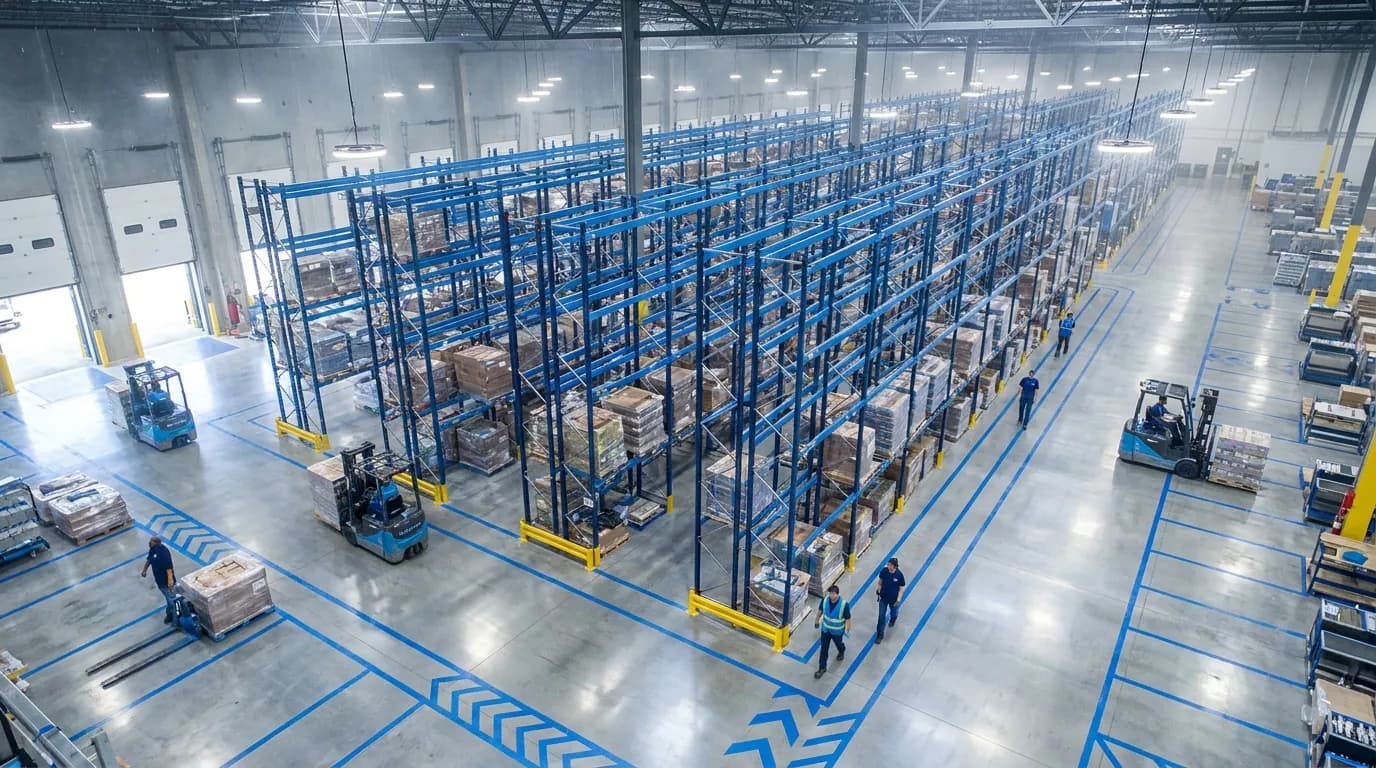
For operations with significant automation, integrating a warehouse control system for material handling with refrigerated zones helps coordinate conveyor flow, robotic picking, and storage retrieval without exposing products to ambient temperatures longer than necessary.
Comparing Cold Chain Logistics Companies: Key Considerations
The market for cold chain logistics companies has become crowded, with global giants, regional specialists, and niche providers all competing for shippers' business. Sorting through the options requires a structured approach that goes beyond price comparisons.
Evaluation Criteria
Use a consistent scorecard when comparing providers. Categories worth weighting heavily include:
-
Operational track record: Years in cold chain specifically, not just general logistics, plus measurable performance against SLAs.
-
Network coverage: Facility locations, lane density, and ability to serve your customer geography.
-
Technology platform: WMS capabilities, API access, integration with your ERP, and quality of customer-facing dashboards.
-
Compliance posture: Current certifications, audit history, and recent regulatory inspection results.
-
Financial stability: A provider that fails financially can disrupt your supply chain overnight.
-
Cultural fit: Account management style and willingness to collaborate on continuous improvement.
Case Studies
Consider a mid-sized specialty pharmaceutical manufacturer that switched from a general 3PL to a cold-chain specialist. By moving to a partner with validated lanes and integrated temperature monitoring, the manufacturer reduced excursion-related losses and shortened audit preparation time considerably. The trade-off was a slightly higher per-pallet rate, easily offset by reduced product write-offs and faster compliance reporting.
Imagine a regional food and beverage distributor serving grocery chains across multiple states. By upgrading its WMS to support real-time lot tracking and integrating temperature loggers with inbound receiving, the distributor cut spoilage claims and improved on-time delivery to retail partners. Both examples point to the same lesson: the right combination of partner, process, and technology yields measurable results.

Future Trends and Technological Advancements
The cold chain is changing fast, driven by sustainability pressure, e-commerce growth, and the rapid expansion of biologics in healthcare. Operators who plan for these shifts now will be better positioned than those who wait.
Sustainability Initiatives
Refrigeration is energy-intensive, and shippers face mounting pressure from customers, investors, and regulators to reduce emissions. Practical responses include:
-
Switching to natural refrigerants such as CO2 and ammonia in cold storage facilities
-
Adding solar panels and improving building envelopes to reduce energy draw
-
Right-sizing packaging to cut both materials use and dimensional weight
-
Optimizing routing to reduce empty miles and idle reefer time
-
Investing in electric or alternative-fuel refrigerated vehicles for last-mile delivery
These moves tend to pay back twice: lower utility bills and lower carbon disclosures. They also help retain customers who increasingly require sustainability data from their logistics partners.
Emerging Technologies
Several technologies are moving from pilot to production in cold chain operations. Artificial intelligence is being applied to demand forecasting, route optimization, and predictive maintenance for refrigeration equipment. Machine learning models analyze historical excursion data to recommend lane changes or packaging upgrades before problems occur.
Digital twins, virtual replicas of physical cold chain networks, allow planners to simulate disruptions and test responses without risking real shipments. Autonomous mobile robots are starting to handle picking and putaway in cold storage, reducing the time human workers spend in sub-zero environments and improving throughput. Advanced phase-change materials and reusable insulated containers are extending safe transit times while cutting packaging waste.
Connected packaging, where each parcel reports its own location and condition, is moving from premium pharmaceutical applications into broader food and grocery use cases as sensor costs drop. The combined effect is a cold chain that’s more transparent, more responsive, and more accountable than ever before.
Building a Cold Chain That Performs
Cold chain logistics rewards operators who treat it as a strategic discipline rather than a cost center. The fundamentals (qualified equipment, validated processes, trained people, and accurate data) haven’t changed, but the tools available to execute on them keep improving. Shippers who pair the right 3PL partner with strong internal management practices and modern technology will protect product quality, satisfy regulators, and earn customer loyalty in markets where reliability is non-negotiable.
If your team is evaluating how to strengthen its cold chain operation, several next steps can help:
-
Contact ASC Software to discuss tailored solutions for your temperature-sensitive supply chain.
-
Explore the full range of warehouse and distribution solutions that support compliant, efficient cold chain operations.
-
Schedule a conversation with our team to review how integrated WMS and WCS technology can improve visibility and control across your network.
The cold chain will only grow more demanding. Operators who invest in capability now will set the standard others spend years trying to match.
Frequently Asked Questions
What is cold chain logistics and why is it important?
Cold chain logistics is the process of transporting and storing temperature-sensitive products within specific thermal limits. It is crucial for maintaining the safety and efficacy of products like vaccines and fresh produce. Failure to maintain these conditions can lead to product spoilage and financial loss. Industries such as pharmaceuticals and food heavily rely on effective cold chain logistics to meet regulatory standards and consumer expectations.
How do 3pl cold chain logistics partnerships work?
3pl cold chain logistics partnerships involve third-party providers managing the temperature-controlled supply chain for clients. These partnerships ensure the safe handling, storage, and transportation of perishable goods. They often leverage advanced technology and expertise to monitor conditions and preemptively address potential risks. By outsourcing to specialists, companies can focus on core operations while ensuring compliance and product integrity.
What challenges are faced in cold chain pharmaceutical logistics?
Cold chain pharmaceutical logistics faces challenges such as equipment failures, customs delays, and last-mile temperature spikes. These issues can compromise the potency of critical medications like vaccines and biologics. To mitigate these risks, companies employ advanced monitoring systems and strategic planning. Ensuring compliance with strict regulatory standards is also essential to avoid financial penalties and maintain product efficacy.
Why is cold chain logistics management crucial for businesses?
Cold chain logistics management is crucial for maintaining the quality and safety of temperature-sensitive products. Effective management prevents spoilage and ensures compliance with regulatory requirements. It involves coordinated efforts in refrigerated storage, transport, and monitoring. Businesses in pharmaceuticals, food, and specialty chemicals rely on robust logistics management to protect their products and reputation.
What role do cold chain logistics companies play in supply chains?
Cold chain logistics companies play a vital role by ensuring temperature-sensitive products are transported and stored safely. They provide specialized infrastructure like refrigerated trucks and warehouses, along with expertise in compliance and risk management. These companies help industries like pharmaceuticals and food maintain product integrity and meet regulatory standards. By partnering with these experts, businesses can enhance their supply chain resilience and efficiency.