




Lot Traceability: A Complete Guide for Manufacturers
Kurt AdamsPublished: March 24, 2026 | Updated: May 2, 202614 minutes
If you’ve ever faced a product recall and struggled to identify which specific batches were affected, you understand the frustration of inadequate traceability. The inability to quickly locate products by lot number on products can cost manufacturers millions in unnecessary recalls, damage brand reputation, and put consumer safety at risk. Modern lot traceability software offers a clear path forward, giving supply chain managers the tools they need to track every product from raw materials to final delivery. Effective lot number tracking transforms reactive crisis management into proactive quality control, turning a potential liability into a competitive advantage.
This guide addresses the core challenges manufacturers and distributors face with product traceability, then walks through practical solutions that have helped companies across industries gain control of their inventory and compliance requirements.
Introduction to Lot Traceability and Its Importance
Lot traceability refers to the ability to track a product’s complete history through the supply chain using unique batch identifiers. For manufacturers dealing with complex production processes, this capability determines how quickly they can respond to quality issues, meet regulatory requirements, and maintain customer trust.
The Necessity of Lot Traceability
Consumer expectations have shifted dramatically over the past decade. Buyers want to know where their products come from, how they were made, and whether they meet safety standards. At the same time, regulatory bodies have tightened requirements across industries, from the FDA’s food safety regulations to pharmaceutical serialization mandates.
Without reliable traceability, manufacturers find themselves in impossible situations. A quality issue discovered at one customer location could mean recalling far more product than necessary simply because you can’t pinpoint which batches were affected. This "over-recall" approach protects consumers but devastates profit margins and wastes perfectly good inventory.
The problem compounds when you consider supply chain complexity. Raw materials from multiple suppliers, production across different facilities, distribution through various channels - each step adds potential points of failure where traceability can break down.
Key Benefits for Businesses
Companies that invest in proper lot traceability gain advantages that extend far beyond recall management:
-
Targeted recalls: Identify exactly which products are affected, minimizing waste and protecting revenue
-
Faster root cause analysis: Trace quality issues back to specific suppliers, production runs, or handling conditions
-
Regulatory compliance: Meet industry requirements with documented chain of custody records
-
Inventory optimization: Apply FIFO (First In, First Out) or FEFO (First Expired, First Out) rules accurately
-
Customer confidence: Provide transparency that builds trust and differentiates your brand
-
Reduced liability: Demonstrate due diligence in quality control processes
These benefits compound over time. Organizations with strong traceability systems often discover improvements in areas they didn’t initially expect, from reduced shrinkage to better supplier negotiations based on quality data.
Food Safety and Traceability, Simplified
Meet FSMA 204 requirements with end-to-end traceability, cold chain monitoring, and recall-ready documentation.
Request a Demo
Understanding the Lot Number on Products
The lot number on products serves as the foundation of any traceability system. This alphanumeric code ties individual items back to their production batch, enabling complete tracking throughout the product lifecycle. Understanding how to structure and use these identifiers effectively makes the difference between a traceability system that works and one that creates more confusion than it solves.
Decoding Lot Numbers
A well-designed lot number encodes valuable information in a compact format. While specific structures vary by industry and company, most lot numbers include some combination of the following elements:
-
Production date: Often represented as a Julian date or YYMMDD format
-
Facility code: Identifies which plant or production line manufactured the item
-
Shift identifier: Indicates which crew was responsible for production
-
Sequence number: Distinguishes between multiple batches produced on the same day
-
Product variation: May indicate recipe version, color, or other specifications
For example, a lot number like "2024-ATL-3-0042" might indicate the 42nd batch produced on the third shift at the Atlanta facility in 2024. This structure allows quick identification of when and where any product was made without accessing additional databases.
The key is consistency. Once you establish a lot numbering convention, every team member, system, and trading partner must use it identically. A single transposed digit or misread character can send investigators chasing the wrong batch during a time-sensitive quality event.
Impact on Product Management
The lot number on products affects virtually every aspect of inventory management. Receiving teams scan or enter lot numbers when goods arrive. Warehouse staff pick products by lot to maintain proper rotation. Quality teams reference lot numbers when documenting inspections. Shipping records include lot information for downstream traceability.
Consider what happens when a customer reports a quality issue. With proper lot tracking, you can immediately identify all products from that batch, determine where they shipped, and initiate targeted communication. Without it, you’re left with broad recalls, anxious customers, and damaged relationships.

Lot numbers also enable valuable analytics. By correlating quality data with lot information, manufacturers can identify patterns that might otherwise go unnoticed. Maybe a specific supplier’s raw materials consistently produce better results, or perhaps certain production conditions lead to higher defect rates. This intelligence drives continuous improvement initiatives.

The Role of Lot Traceability Software in Modern Inventory Management
Manual lot tracking methods - spreadsheets, paper logs, disconnected databases - simply cannot keep pace with modern supply chain demands. Lot traceability software automates the capture, storage, and retrieval of batch information, creating an unbroken chain of custody from receipt through shipment.
Features of Lot Traceability Software
Effective lot traceability software includes capabilities that address the full spectrum of tracking requirements:
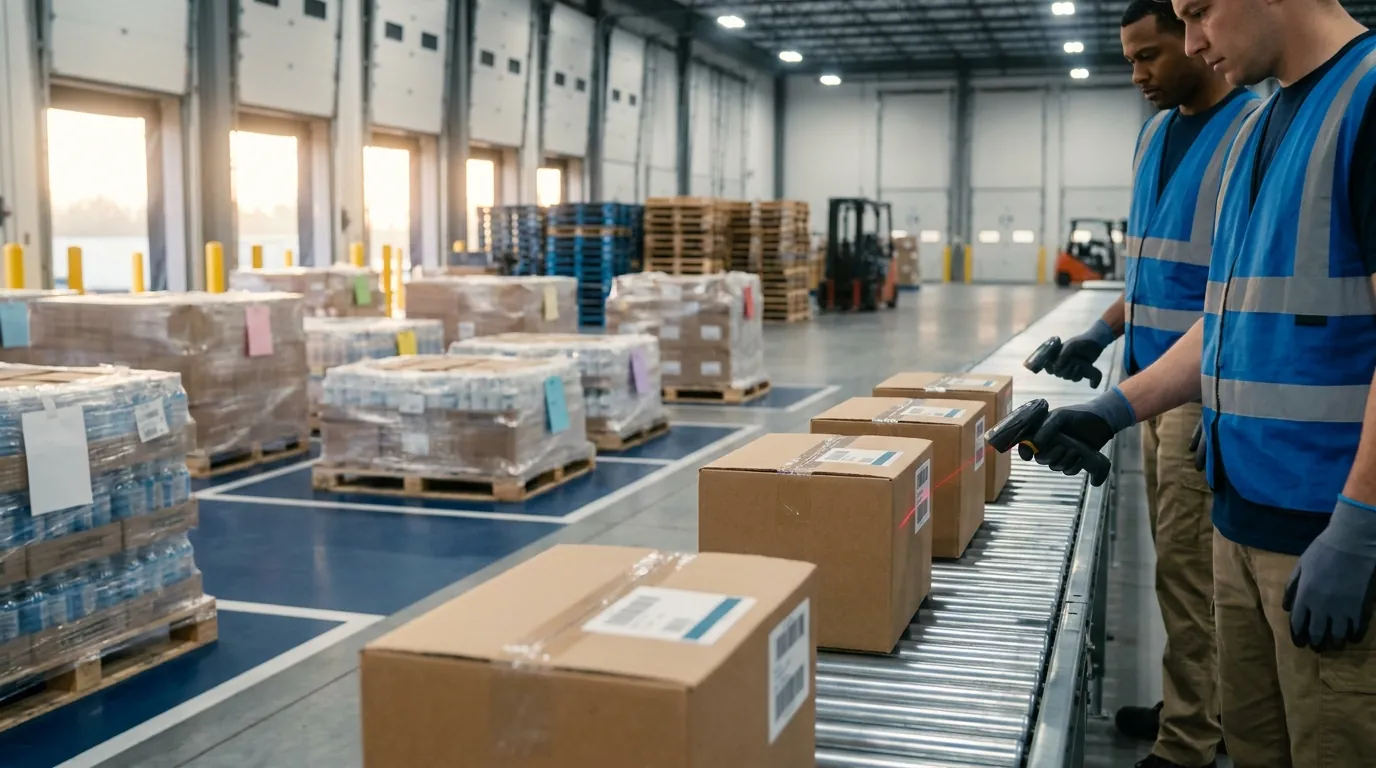
Real-time data capture: Barcode and RFID scanning eliminates manual entry errors and speeds processing. Workers scan lot numbers at each transaction point, automatically updating the central database.
Bidirectional traceability: The ability to trace both forward (where did this lot go?) and backward (what went into this product?) is essential for complete visibility. Forward traceability helps with recalls while backward traceability identifies supplier issues.
Shelf life management: For perishable goods, lot traceability software tracks expiration dates and alerts teams before products expire. This capability reduces waste and ensures customers receive fresh inventory.
Compliance documentation: Built-in reporting generates the documentation regulators require. Rather than scrambling to compile records during an audit, companies can produce comprehensive lot histories on demand.
Integration capabilities: Lot information must flow between systems - ERP, warehouse management systems, quality management software, and customer portals. Modern traceability solutions offer pre-built connectors and APIs that enable this data exchange.
Choosing the Right Software
Selecting lot traceability software requires careful evaluation of your specific requirements. Start by documenting your current pain points. Where does traceability break down today? What compliance requirements must you meet? How complex are your products and processes?
Key evaluation criteria include:
-
Industry alignment: Does the solution address your specific regulatory requirements? Food and beverage manufacturers have different needs than pharmaceutical companies.
-
Scalability: Can the system grow with your business? Adding facilities, product lines, or trading partners shouldn’t require a complete platform change.
-
User experience: Complex software that workers avoid using defeats the purpose. Look for intuitive interfaces that encourage adoption.
-
Implementation approach: How will the vendor support your transition? Experienced implementation teams understand the challenges of migrating from manual processes or legacy systems.
-
Total cost of ownership: Consider licensing, implementation, training, and ongoing support costs together.
Request demonstrations with your actual scenarios. Generic sales presentations rarely reveal how software handles edge cases specific to your operations.
How Lot Number Tracking Enhances Operational Efficiency
Beyond compliance and recall management, lot number tracking drives operational improvements that affect daily performance. Organizations that implement comprehensive tracking often discover efficiency gains they hadn’t anticipated.
Improving Operations Through Better Tracking
Accurate lot number tracking eliminates time wasted searching for information. When a customer calls asking about a shipment, staff can instantly pull lot details rather than digging through files or making calls to the warehouse floor. This responsiveness improves customer satisfaction while reducing labor costs.
Inventory accuracy improves dramatically when lot tracking is enforced. Workers must confirm they’re handling the correct lot at each step, catching errors before they propagate through the system. This discipline reduces shipping mistakes, cycle count adjustments, and reconciliation headaches.
FIFO and FEFO compliance becomes automatic rather than aspirational. Warehouse management software directs pickers to the appropriate lot based on business rules, removing guesswork and ensuring proper stock rotation. This systematic approach reduces spoilage and obsolescence across the operation.
Production scheduling benefits from lot visibility as well. Planners can see exactly what raw material lots are available and their expiration dates, making informed decisions about production sequences. This visibility prevents situations where materials expire before use or incompatible lots get combined.
Real-World Applications
Consider a mid-sized food manufacturer dealing with multiple ingredient suppliers. Before implementing lot number tracking, they struggled to identify which supplier’s ingredients were used in specific finished products. When a supplier reported a potential contamination issue, they had to destroy weeks of production - far more than necessary - because they couldn’t isolate affected batches.
After implementing comprehensive lot tracking, they can now trace any finished product back to every ingredient lot within minutes. A similar supplier notification now results in a targeted response affecting only the specific products at risk. The savings from this precision quickly justified the software investment.
A wholesale distributor managing thousands of SKUs faced different challenges. Their customers increasingly demanded lot information with every shipment for their own traceability requirements. Manual processes couldn’t keep up with the documentation burden. Automated lot tracking integrated with their EDI solutions now transmits lot data electronically, meeting customer requirements without adding labor.
Building a Strong Foundation for Lot Traceability
Successful lot traceability programs require more than software installation. Organizations must address people, processes, and technology together to achieve lasting results.
Process Design Considerations
Map your current material flow before implementing new systems. Identify every point where lot information should be captured: receiving, put-away, production consumption, quality holds, picking, packing, and shipping. Missing even one capture point creates gaps that undermine traceability.
Define clear procedures for exception handling. What happens when a lot number scans incorrectly? How do workers record lot information when systems are temporarily unavailable? What’s the escalation path when lot discrepancies are discovered? Documented procedures prevent individual judgment calls that create inconsistency.
Establish data governance standards. Who can create new lot numbers? What information must be included? How are lot records archived? These decisions affect data quality and long-term usefulness.
Training and Change Management
Workers accustomed to manual processes may resist new tracking requirements. They might see scanning and verification steps as unnecessary bureaucracy that slows their work. Effective change management addresses these concerns directly.
Explain the "why" behind lot tracking requirements. Share examples of recalls at other companies and the consequences of poor traceability. When workers understand that their diligence protects consumers and the company, compliance improves.
Provide hands-on training with the actual equipment and software workers will use. Classroom instruction alone doesn’t build the muscle memory needed for efficient scanning and data entry. Practice scenarios should include common exceptions and error recovery.
Recognize and reward proper lot tracking behavior. When supervisors emphasize traceability compliance alongside productivity metrics, workers understand that both matter. Conversely, tolerating shortcuts sends the message that lot tracking is optional.
Integration Capabilities and Future Trends in Lot Traceability
Lot traceability exists within a broader technology ecosystem. The value of tracking data multiplies when it flows freely between systems and trading partners.
System Integration Requirements
Modern supply chains require lot information to move between multiple platforms. Your ERP system needs lot data for costing and financial reporting. Quality management systems reference lots when documenting inspections and holds. Customer portals may display lot information for transparency. Third-party logistics providers must maintain lot tracking within their operations.
Evaluate integration capabilities early in software selection. Key questions include:
-
Does the system offer pre-built connectors for your existing platforms?
-
What APIs are available for custom integrations?
-
How does the system handle lot data exchange with trading partners?
-
Can integration configurations be modified without vendor involvement?
Integration complexity often surprises organizations. Budget adequate time and resources for connecting systems, mapping data fields, and testing information flows. Rushed integrations create data quality problems that persist long after implementation.
Emerging Trends in Traceability
Several technology trends are reshaping lot traceability expectations and capabilities:
Blockchain for supply chain transparency: Distributed ledger technology creates immutable records that trading partners can trust without centralized verification. While still maturing, blockchain applications are gaining traction in food safety and pharmaceutical traceability. Organizations like those covered by Supply Chain Management Review are tracking these developments closely.
IoT sensors for condition monitoring: Smart sensors that track temperature, humidity, and other conditions throughout the supply chain add another dimension to lot traceability. Now you can document not just where a lot traveled but what conditions it experienced. This data proves valuable for quality investigations and compliance documentation.
AI-powered analytics: Machine learning algorithms can identify patterns in lot data that humans might miss. Predictive quality models flag lots at higher risk of issues before problems manifest. Demand sensing applications use lot-level sales data to improve forecasting accuracy.
Consumer-facing traceability: QR codes and mobile apps increasingly let end consumers trace products back to their origins. This transparency trend, already established in organic foods and premium products, is expanding across categories. Brands that can deliver this information gain consumer trust and differentiation.
Industry publications like Logistics Management regularly cover these evolving technologies and their practical applications in distribution and manufacturing environments.
Preparing for Future Requirements
Regulatory requirements continue to tighten. The FDA’s Food Safety Modernization Act imposed new traceability requirements, and additional rules are expected. The Drug Supply Chain Security Act mandates pharmaceutical serialization and tracking. Similar regulations are emerging globally.
Organizations that build strong traceability foundations today will adapt more easily to new requirements. Retrofitting traceability into operations that lack it is far more expensive and disruptive than extending existing capabilities.
Customer expectations are also escalating. Major retailers increasingly require detailed lot information from suppliers. B2B customers conducting their own traceability programs need lot data from their vendors. Companies that can’t provide this information risk losing business to competitors who can.
Conclusion
Lot traceability has evolved from a nice-to-have capability to an operational necessity. Manufacturers and distributors that struggle with tracking face growing risks: regulatory penalties, recall costs, customer defections, and brand damage. Those who invest in comprehensive lot number tracking gain advantages in compliance, efficiency, and competitive positioning.
The path forward requires attention to all three pillars: technology that automates lot tracking and integrates with existing systems, processes that ensure consistent data capture at every transaction point, and people who understand the importance of traceability and follow procedures diligently.
Whether you’re starting from manual processes or looking to upgrade existing systems, the investment in lot traceability pays dividends across your operation. Improved recall precision alone can justify the cost, but the benefits extend to inventory accuracy, regulatory compliance, customer satisfaction, and operational efficiency.
Ready to strengthen your lot traceability capabilities? Contact ASC Software for a demonstration of how modern warehouse management solutions address traceability challenges. Explore our complete range of solutions designed for manufacturers and distributors who need reliable, compliant inventory management. Our team can assess your current situation and recommend an approach that fits your specific requirements and budget.
Frequently Asked Questions
Why is lot traceability important for manufacturers?
Lot traceability is crucial for manufacturers to ensure product safety and regulatory compliance. It allows for quick identification of affected batches during recalls, minimizing financial losses and protecting brand reputation. Additionally, it provides transparency in the supply chain, which builds consumer trust and meets evolving buyer expectations. Without it, manufacturers risk over-recalling products, leading to unnecessary waste and financial strain.
How does lot traceability software benefit supply chain managers?
Lot traceability software provides supply chain managers with tools to track products from raw materials to delivery. It enhances the ability to conduct targeted recalls and perform faster root cause analyses. This software also ensures compliance with industry regulations, reducing the risk of penalties. By improving traceability, managers can transform crisis management into proactive quality control, ultimately gaining a competitive advantage.
What challenges do manufacturers face without lot number tracking?
Manufacturers without lot number tracking face significant challenges, including inefficient recall processes and compliance issues. They may struggle to identify specific affected batches, leading to costly over-recalls. This lack of precision can damage brand reputation and erode consumer trust. Additionally, they risk non-compliance with stringent industry regulations, which could result in fines or legal actions, further impacting their operational viability.
How does lot number on products enhance consumer safety?
A lot number on products enhances consumer safety by enabling precise tracking of product batches. It allows manufacturers to quickly identify and recall affected items in the event of a safety issue. This targeted approach minimizes consumer exposure to potentially harmful products, thereby protecting public health. Additionally, it builds consumer confidence by demonstrating a commitment to safety and transparency in production processes.
What are the key benefits of lot number tracking?
Lot number tracking offers key benefits such as targeted recalls and enhanced regulatory compliance. It allows manufacturers to trace quality issues back to specific production runs, suppliers, or handling conditions. This precision reduces waste, protects revenue, and maintains brand integrity. Moreover, it supports faster root cause analysis, enabling proactive measures to prevent future issues, thus transforming potential liabilities into competitive advantages.