




The Power of Food Safety Software: A Complete Guide
Kurt AdamsPublished: February 18, 2026 | Updated: February 20, 202614 minutes
Food safety software has become an essential tool for modern food operations. A single contaminated batch slips through your supply chain undetected. Within days, products reach store shelves across three states. By the time someone reports an illness, you’re scrambling through paper records and disconnected spreadsheets, unable to pinpoint the source or scope of the problem. This nightmare scenario plays out more often than most food industry professionals want to admit – and it’s almost always preventable with the right technology.
Food traceability software, food safety management system software, and food compliance software have become essential tools for manufacturers, distributors, and quality assurance teams. Yet despite widespread adoption, many organizations make critical mistakes that undermine their investment and leave them vulnerable to recalls, regulatory penalties, and reputational damage. Understanding these pitfalls – and how to avoid them – can mean the difference between a minor incident and a company-threatening crisis.
This guide examines the most common mistakes food industry professionals make when selecting, implementing, and using food safety technology. More importantly, it provides practical strategies to ensure your systems actually protect your business and your customers.
Mistake #1: Treating These Systems as a Standalone Solution
One of the most damaging mistakes organizations make is viewing traceability technology as an isolated tool rather than part of an integrated system. They purchase tracking capabilities without considering how that data flows into their broader operations – and the results are predictable.
Imagine a mid-sized food manufacturer that invests in sophisticated lot tracking technology. The system captures detailed information about every ingredient and finished product. But because the traceability data lives in a silo, disconnected from warehouse management and inventory control, staff must manually cross-reference multiple systems during a recall. What should take minutes takes hours or days.
How to Fix This
Effective food traceability requires end-to-end visibility, not just point solutions. Before selecting any tracking technology, map out every touchpoint in your supply chain where data must flow:
-
Receiving and incoming quality control
-
Storage and inventory management
-
Production and processing
-
Packaging and labeling
-
Shipping and distribution
-
Customer delivery and retail placement
Your these systems should integrate with systems at each of these stages. When a quality issue emerges, you need the ability to trace forward (where did affected products go?) and backward (where did the problem originate?) within minutes, not hours.
Food Safety and Traceability, Simplified
Meet FSMA 204 requirements with end-to-end traceability, cold chain monitoring, and recall-ready documentation.
Request a Demo
Mistake #3: Underestimating the Complexity of Food Compliance Software Implementation
Regulatory compliance in the food industry grows more demanding every year. FSMA requirements, GFSI standards, customer-specific mandates – the list keeps expanding. Food compliance software promises to simplify this burden, but organizations frequently underestimate what successful implementation requires.
The mistake often begins with unrealistic timelines. A company assumes they can deploy food compliance software and achieve full regulatory alignment within weeks. Reality proves far more complicated. Data migration takes longer than expected. Staff need extensive training. Existing processes require modification. Six months later, the organization is still struggling to use the system effectively.
Building a Realistic Implementation Plan
Successful food compliance software deployment requires honest assessment and careful planning. Start by documenting your current state:
-
What compliance tasks are currently manual?
-
Where does compliance data currently reside?
-
Who is responsible for various compliance activities?
-
What are your most common audit findings?
-
Which regulations cause the most difficulty?
Use this assessment to set realistic expectations. Most food compliance software implementations take three to six months to fully stabilize, and another three to six months before organizations see maximum benefit. Rush the process and you’ll create new compliance gaps rather than closing existing ones.
Consider phasing your implementation. Start with the compliance areas causing the most pain or risk, then expand to additional requirements. This approach allows staff to build competence gradually while delivering early wins that build organizational support.
Mistake #4: Neglecting Data Quality in Food Traceability Systems
these systems is only as good as the data it contains. This seems obvious, yet organizations routinely deploy sophisticated tracking technology without establishing the data discipline required to make it useful.
Poor data quality manifests in multiple ways. Lot numbers get entered incorrectly. Expiration dates contain typos. Supplier information remains incomplete. Quantity discrepancies go unresolved. When a recall occurs, this contaminated data makes it impossible to identify affected products accurately. The traceability system technically works – it just contains garbage.
Establishing Data Integrity
Reliable food traceability depends on consistent, accurate data capture at every stage of your operation. Implement these practices to protect data quality:
Standardize entry formats. Define exactly how lot numbers, dates, quantities, and other critical fields should be formatted. Build validation rules into your this software that reject non-conforming entries.
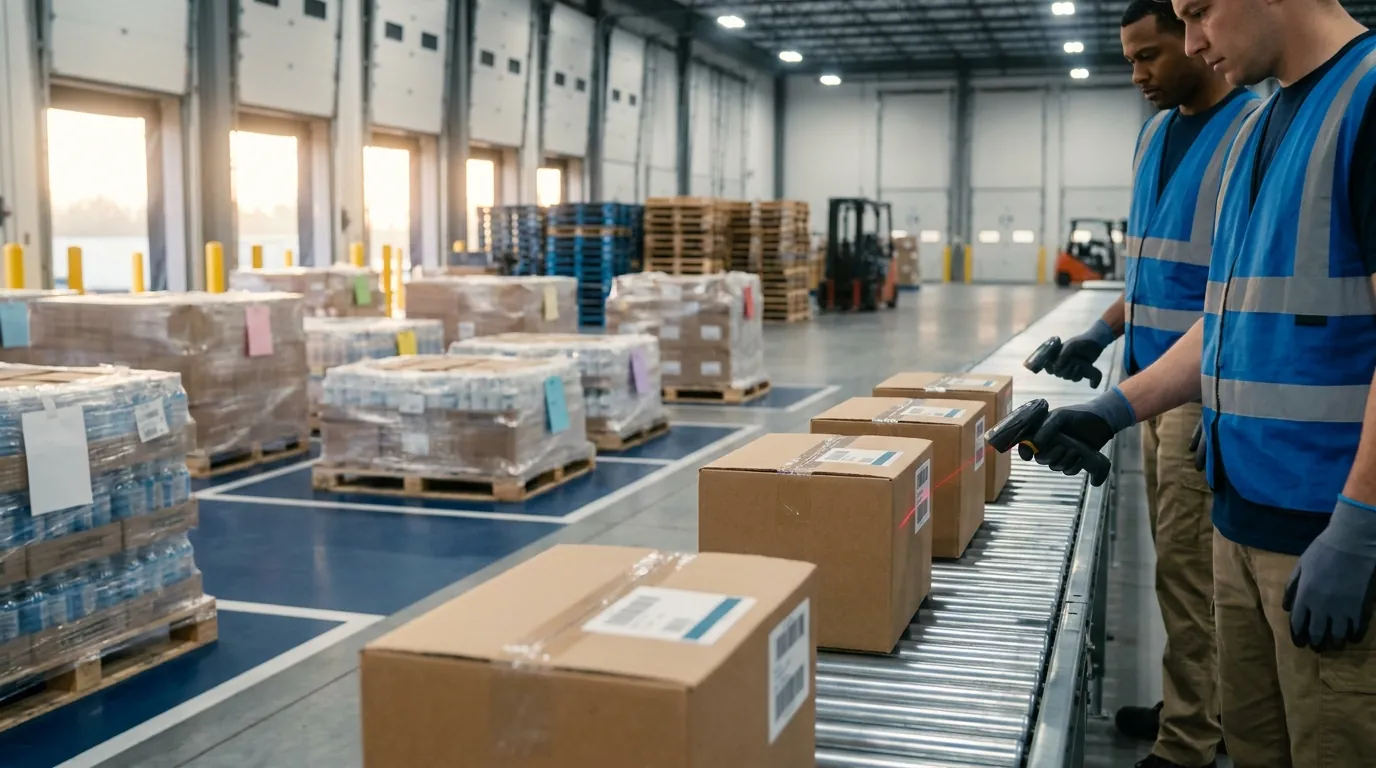
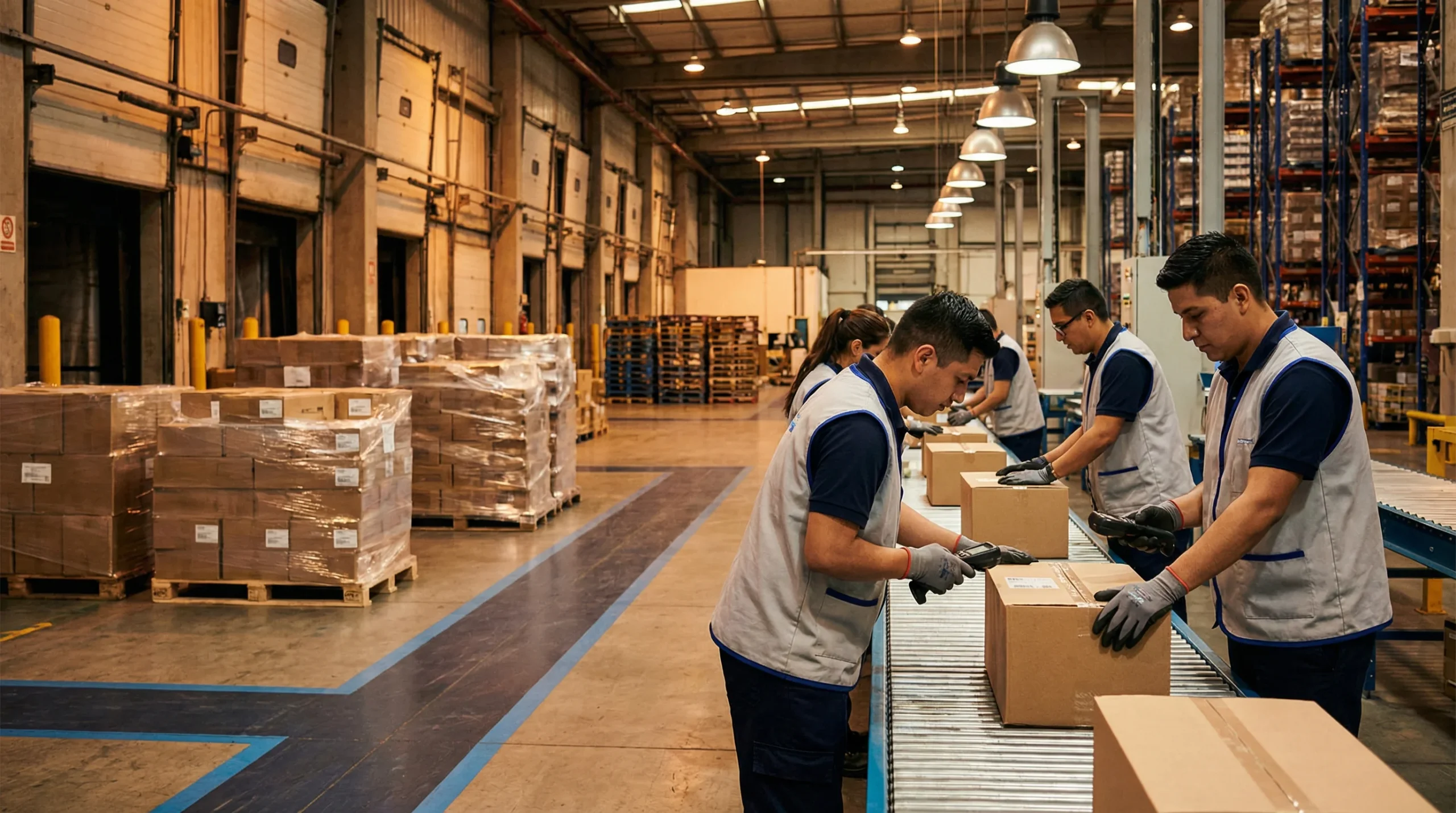
Automate where possible. Manual data entry introduces errors. Barcode scanning, RFID technology, and system integrations reduce human error while speeding operations. Organizations using automated warehouse management approaches typically see significant improvements in data accuracy.
Verify at transitions. Every time product changes hands – receiving, production, shipping – represents a data quality checkpoint. Build verification steps into these transitions to catch errors before they propagate through your system.
Audit regularly. Schedule periodic data quality reviews. Compare system records against physical inventory. Investigate discrepancies to identify their source and prevent recurrence.
Mistake #5: Failing to Integrate Food Safety Software with Supply Chain Partners
Food safety doesn’t stop at your facility’s walls. Ingredients arrive from suppliers. Finished products move to distributors, retailers, and food service operators. A contamination event anywhere in this chain affects everyone connected to it. Yet many organizations implement safety management platform software and traceability solutions without considering how they’ll connect with partners.
This isolation creates dangerous blind spots. You might track products perfectly within your own operations while having zero visibility into what happens before or after. When regulators come asking questions, you can answer for your facility but not for your supply chain.
Building Connected Traceability
Modern food safety requires information sharing across organizational boundaries. Work toward these capabilities:
-
Supplier data integration: Capture lot numbers, certifications, and quality data from suppliers electronically rather than relying on paper certificates that get filed and forgotten.
-
Customer information sharing: Provide downstream partners with the traceability data they need to maintain their own compliance and respond to incidents.
-
Standardized data formats: Use industry-standard identifiers (GS1 standards, for example) that allow information to flow between different systems.
-
Electronic data exchange: Implement EDI and electronic communication systems that automate information sharing with trading partners.
This connected approach transforms tracking software from an internal tool into a supply chain capability. When incidents occur, everyone can respond faster and with better information.
Mistake #6: Ignoring Food Compliance Software Until Audit Time
Too many organizations treat food compliance software as an audit preparation tool rather than an operational system. They update records frantically before inspections, then ignore the system until the next audit approaches. This reactive pattern guarantees compliance gaps and missed improvement opportunities.
The consequences extend beyond audit findings. When food compliance software isn’t used consistently, the data it contains becomes unreliable. Staff lose proficiency with the system. New requirements get missed. Small issues that could be corrected easily grow into systemic problems.
Making Compliance Part of Daily Operations
Food compliance software delivers maximum value when it’s woven into everyday activities rather than reserved for special occasions. Consider these strategies:
Assign daily responsibilities. Someone should be reviewing compliance dashboards, addressing exceptions, and verifying that required tasks are completed every single day. Make this accountability clear and visible.
Automate reminders and escalations. Configure your safety platforms to alert appropriate staff when tasks are due, when deadlines approach, and when items become overdue. Don’t rely on memory.
Review trends regularly. Schedule weekly or monthly reviews of compliance data. Look for patterns – recurring exceptions, common near-misses, areas where requirements consistently challenge your team. Use these insights to improve processes, not just fix individual problems.
Connect compliance to performance. Include compliance metrics in operational reviews and individual performance discussions. What gets measured and discussed gets done.
Mistake #7: Overlooking Change Management When Implementing Food Safety Technology
Technology implementations fail more often due to people issues than technical problems. Organizations invest heavily in selecting the right this system software, configuring it properly, and testing thoroughly – then wonder why adoption stalls. The missing element is usually change management.
Staff resist new systems for understandable reasons. The old way was familiar. New processes require learning. Additional data entry feels like extra work. Without deliberate effort to address these concerns, even the best food safety technology will struggle to gain traction.
Leading Successful Technology Transitions
Effective change management for food safety software includes several elements:
Communicate the why. Help staff understand why new technology matters – not just for the company, but for them personally. Connect tracking software to protecting customers, avoiding recalls, and maintaining the company’s reputation and stability.
Involve users early. Include frontline staff in software selection and configuration decisions. Their input improves the final system, and their involvement builds ownership.
Provide adequate training. Budget sufficient time and resources for training. Rushing this phase guarantees problems later. Consider multiple training formats – classroom sessions, hands-on practice, reference materials, and ongoing support.
Celebrate early wins. When the new food compliance software catches an issue, prevents a problem, or simplifies a task, make sure everyone knows. Success stories build momentum.
Address resistance directly. Don’t ignore staff who struggle with new systems. Understand their specific concerns and provide targeted support. Sometimes resistance reveals legitimate system problems that need addressing.
Mistake #8: Selecting Technology Without Considering Future Requirements
The food safety regulatory environment keeps evolving. New traceability requirements emerge. Sustainability reporting demands grow. Customer expectations increase. Organizations that select traceability technology and FSMS software based solely on current needs often find themselves outgrowing their systems within a few years.
Replacing food safety technology is expensive and disruptive. Data migration risks losing historical information. Staff must learn new systems. Integrations must be rebuilt. The organizations that avoid this cycle think ahead when making initial selections.
Planning for Tomorrow’s Requirements
While no one can predict every future requirement, certain trends seem clear:
-
Enhanced traceability mandates: Regulations increasingly require faster, more detailed tracking capabilities. The FDA’s FSMA 204 rule represents just the beginning.
-
Sustainability documentation: Customers and regulators want proof of environmental and social responsibility throughout supply chains.
-
Real-time monitoring: IoT sensors and continuous monitoring are becoming standard expectations for critical control points.
-
Predictive capabilities: Advanced analytics that identify potential problems before they occur are moving from nice-to-have to competitive necessity.
-
Blockchain and distributed ledger: While still maturing, these technologies promise unprecedented supply chain transparency.
When evaluating food compliance software and related systems, ask vendors about their roadmap. Understand how the platform will evolve. Look for architectures that can incorporate new capabilities without wholesale replacement. The food and beverage industry solutions that succeed long-term balance current functionality with future flexibility.
Mistake #9: Treating Food Safety Software as an IT Project
When organizations delegate food safety technology decisions entirely to IT departments, problems follow. IT teams understand technology but may not grasp the nuances of food safety requirements, regulatory compliance, or operational workflows. The result is often systems that work technically but miss the mark functionally.
Equally problematic is the reverse – letting operations drive technology decisions without IT involvement. This leads to solutions that don’t integrate properly, create security vulnerabilities, or can’t be supported long-term.
Building Cross-Functional Implementation Teams
Successful food safety software projects require collaboration across multiple functions:
Quality Assurance: Brings expertise in food safety requirements, regulatory standards, and audit expectations. Ensures the system captures necessary data and supports compliance activities.
Operations: Understands how work actually gets done on production floors, receiving docks, and shipping areas. Identifies practical constraints and workflow requirements.
Information Technology: Evaluates technical architecture, integration requirements, security implications, and support needs. Ensures the solution fits within broader IT strategy.
Supply Chain: Considers connections with suppliers, customers, and logistics partners. Ensures the system supports visibility across organizational boundaries.
Finance: Validates business case assumptions, tracks implementation costs, and measures return on investment.
No single function has all the expertise needed. Build teams that bring together diverse perspectives and give them authority to make decisions.
Mistake #10: Expecting Technology Alone to Solve Food Safety Challenges
The most sophisticated traceability solutions, compliance system software, and food compliance software cannot replace human judgment, proper training, and organizational commitment to food safety. Technology is a tool – a powerful one, but still just a tool.
Organizations sometimes fall into the trap of believing that purchasing software solves their problems. They check the “food safety technology” box and move on to other priorities. When issues arise, they’re surprised – after all, they invested in the right systems.
Building a Complete Food Safety Program
Technology should amplify and enable your food safety efforts, not replace them. An effective program includes:
Clear policies and procedures: Document what’s expected. Ensure staff understand their responsibilities. Update procedures as requirements change.
Ongoing training: Initial training isn’t enough. Schedule regular refreshers. Incorporate food safety into new employee onboarding. Keep everyone current on evolving requirements.
Management commitment: Leaders must demonstrate that food safety matters through their words, decisions, and resource allocation. Staff take their cues from management.
Continuous improvement: Use the data from your FSMS software to identify opportunities for improvement. Don’t just record problems – solve them.
Accountability: Everyone should understand how their role contributes to food safety. Recognize excellence and address shortcomings.
When these elements combine with effective technology, organizations achieve the level of food safety protection their customers deserve and regulators demand.
Preparing for the Future of Food Safety Technology
The pace of change in food safety technology continues accelerating. Organizations that stay current with emerging capabilities position themselves for competitive advantage while those that lag face increasing risk.
Several developments deserve attention:
Artificial intelligence and machine learning: These technologies enable predictive quality control, anomaly detection, and automated compliance monitoring. Systems can identify potential problems before they escalate.
Internet of Things (IoT): Sensors throughout the supply chain provide real-time visibility into temperatures, humidity, location, and other critical parameters. Connected devices feed data directly into these systems without manual intervention.
Blockchain applications: Distributed ledger technology creates tamper-proof records of product journey through the supply chain. While implementation challenges remain, pilot programs show promise.
Advanced analytics: Moving beyond basic reporting, modern systems provide actionable insights that drive better decisions. Visualization tools make complex data accessible to non-technical users.
Cloud deployment: Cloud-based food compliance software offers flexibility, scalability, and reduced IT burden. Organizations can access sophisticated capabilities without massive infrastructure investments.
Staying informed about these developments helps you make better technology decisions and positions your organization for continued success.
Making Food Safety Software Work for Your Organization
The mistakes outlined in this guide share a common thread: they treat food safety technology as a product to purchase rather than a capability to build. Avoiding these pitfalls requires viewing traceability technology, the safety platform technology, and regulatory software as components of a broader food safety program – important components, but not the whole picture.
Success comes from thoughtful planning, proper implementation, ongoing commitment, and continuous improvement. The technology enables these efforts but cannot replace them.
For food manufacturing operations of any size, the stakes are simply too high to get this wrong. Your customers trust that the food they purchase is safe. Your employees depend on the company’s continued viability. Your brand represents years of investment. Effective food safety technology helps protect all of these interests.
The organizations that thrive in today’s demanding environment understand that food safety excellence requires the right combination of technology, processes, and people. They invest in systems that integrate across their operations and supply chains. They train their teams to use these systems effectively. They treat compliance as an ongoing commitment, not a periodic exercise. And they continuously look for ways to improve.
Take the Next Step Toward Better Food Safety
Understanding these common mistakes is the first step. Taking action to avoid them is what separates industry leaders from organizations that remain vulnerable to preventable incidents.
If your current approach to food traceability, safety management, or compliance leaves gaps, now is the time to address them. Waiting for a recall or regulatory action to force change is far more expensive and disruptive than proactive improvement.
Ready to evaluate how your food safety technology measures up? Schedule a consultation with ASC Software to discuss your specific challenges and explore potential solutions. Our team can help you identify gaps, evaluate options, and plan an approach that fits your operations.
For a deeper dive into warehouse and supply chain technology capabilities, explore our complete solutions portfolio. You’ll find detailed information about integration options, industry applications, and implementation approaches that could strengthen your food safety program.
Don’t let preventable mistakes put your business at risk. Take action today to build the food safety capabilities your customers expect and your operations require.
Frequently Asked Questions
How does this software prevent recalls?
these systems prevents recalls by enabling precise tracking of food products through the supply chain. It allows companies to quickly identify and isolate contaminated batches, reducing the scope and impact of recalls. This capability minimizes financial losses and protects brand reputation. For example, it can trace a product’s origin and distribution path within minutes, ensuring swift action during a safety incident.
What are the benefits of a this system?
Why do companies invest in food compliance software?
Companies invest in compliance solutions to meet regulatory requirements and avoid penalties. This software streamlines documentation and reporting, ensuring adherence to food safety standards. It provides real-time insights into compliance status, helping organizations address issues proactively. By automating compliance processes, companies can focus on improving product quality and safety, ultimately enhancing their reputation and reducing the risk of costly recalls.
How can poor implementation affect food safety software?
Poor implementation of food safety software can lead to inefficiencies and increased risk of safety incidents. Without proper training and integration, the software may not function as intended, leaving gaps in tracking and compliance. This oversight can result in costly recalls, regulatory fines, and damage to brand reputation. Successful implementation requires thorough training, smooth integration with existing systems, and continuous monitoring to ensure optimal performance.