




Complete Guide to Drug Serialization for DSCSA Compliance
Kurt AdamsPublished: February 25, 2026 | Updated: February 17, 202618 minutes

You might be wondering how your pharmacy can keep pace with the complex regulations governing pharmaceutical supply chains. If terms like DSCSA compliance, serialization in pharma, and DSCSA requirements for pharmacies have been causing you stress, you’re not alone. The Drug Supply Chain Security Act has fundamentally changed how pharmacies must handle, verify, and track prescription medications. This comprehensive guide answers your most pressing questions about drug serialization, breaks down compliance requirements into manageable steps, and provides practical strategies you can implement in your pharmacy operations today.
The stakes couldn’t be higher. Counterfeit medications pose serious risks to patient safety, and regulatory penalties for non-compliance can devastate pharmacy operations. But beyond avoiding fines, proper serialization systems create operational efficiencies that benefit your bottom line while protecting the patients who trust you with their health.
What Is Drug Serialization and Why Does It Matter for Your Pharmacy?
Drug serialization is the process of assigning a unique identifier to each individual package of medication as it moves through the pharmaceutical supply chain. Think of it as a fingerprint for every pill bottle, blister pack, or medication container that passes through your pharmacy’s doors. This identifier allows anyone in the supply chain to verify the product’s authenticity and trace its journey from manufacturer to patient.
But why should you care about this level of tracking? The answer lies in the growing threat of counterfeit medications entering legitimate supply chains. The FDA’s Drug Supply Chain Security Act was enacted specifically to address this danger and create an electronic, interoperable system for identifying and tracing prescription drug products distributed in the United States.
The Critical Importance of Serialization for Patient Safety
Every year, counterfeit medications harm patients who believe they’re receiving legitimate treatments. These fake drugs might contain incorrect dosages, wrong ingredients, or even toxic substances. Serialization creates a verification barrier that makes it significantly harder for counterfeit products to enter the legitimate supply chain.
For pharmacy professionals, serialization provides several concrete benefits:
-
Ability to verify that incoming products are authentic before dispensing to patients
-
Clear documentation trail for regulatory inspections and audits
-
Faster identification and removal of recalled products from inventory
-
Reduced liability exposure when handling high-value or frequently counterfeited medications
-
Improved inventory management through better product tracking
Beyond patient safety, serialization enables pharmacies to respond quickly when product recalls occur. Instead of manually searching through inventory, you can quickly identify affected products by their serial numbers and remove them before they reach patients.
How Does the Serialization Process Actually Work?
The serialization process begins at the manufacturer level and follows the product through every transaction until it reaches the patient. Each package receives a unique product identifier encoded in both human-readable text and a two-dimensional barcode. This identifier includes four key data elements required by the DSCSA:
-
National Drug Code (NDC): The standard identifier for the specific medication
-
Serial Number: A unique alphanumeric code for that specific package
-
Lot Number: Identifies the production batch
-
Expiration Date: When the product will no longer be safe or effective
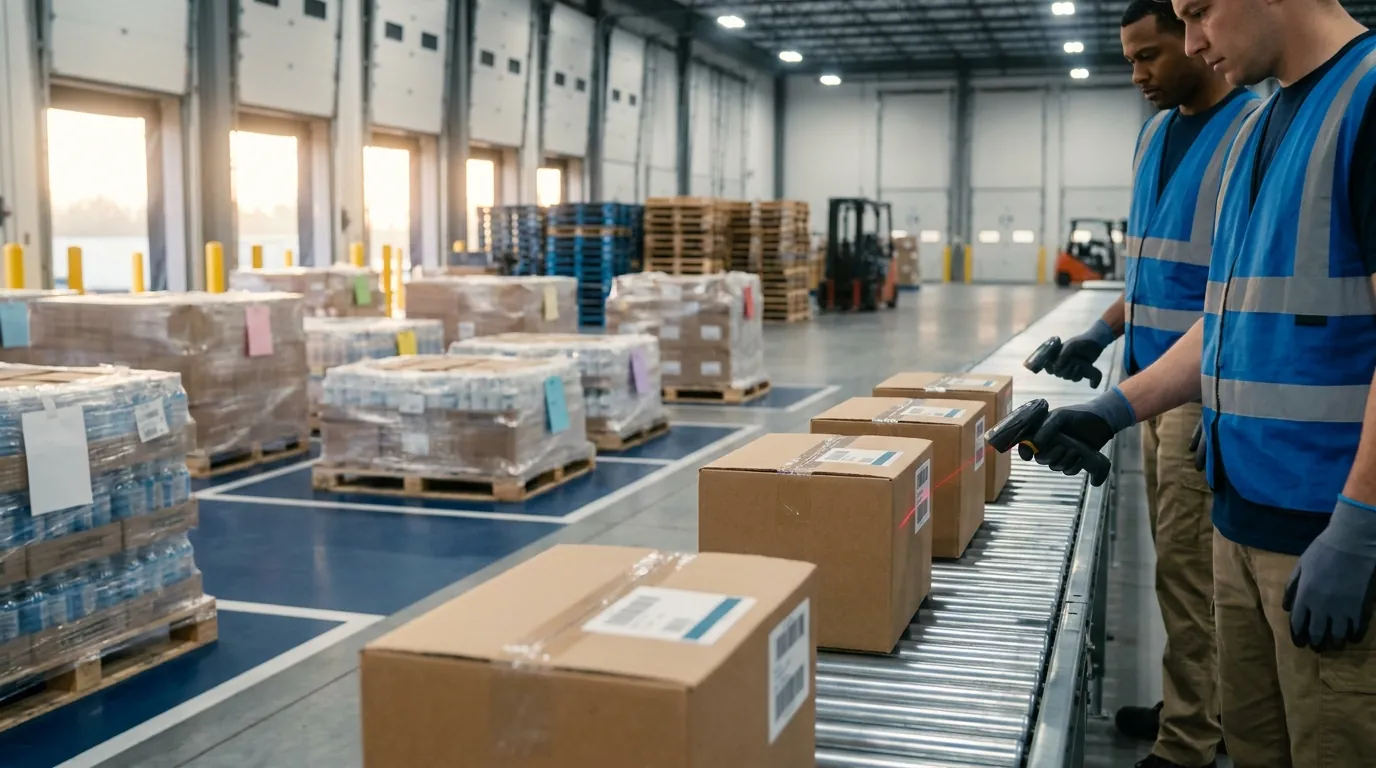
When your pharmacy receives a shipment, you scan the barcode to capture this information and verify it against the transaction documentation provided by your supplier. This verification process confirms that the product is legitimate and hasn’t been altered during transit.

The verification step is where many pharmacies encounter challenges. Your systems must be capable of reading the barcode, parsing the data elements, and comparing them against transaction records. This requires both appropriate hardware, such as barcode scanners capable of reading 2D barcodes, and software that can process and store the verification data.
Purpose-Built for Pharmaceutical Compliance
ASCTrac helps pharmaceutical operations stay GMP-compliant with lot tracking, serialization, and DSCSA-ready workflows.
Request a Demo
What Are the Key DSCSA Compliance Requirements and Deadlines?
Understanding DSCSA compliance requirements starts with recognizing that the law was designed for phased implementation. This approach gave supply chain participants time to develop necessary systems and processes. However, the final implementation deadline has arrived, and pharmacies must now have full compliance capabilities in place.
The DSCSA establishes requirements for all participants in the drug supply chain, including manufacturers, repackagers, wholesale distributors, and dispensers. As a pharmacy, you fall into the dispenser category, which carries specific obligations for product verification and record-keeping.
Critical Deadlines You Cannot Afford to Miss
The November 2023 deadline marked the full implementation of the DSCSA’s enhanced drug distribution security requirements. By this date, pharmacies were expected to have systems in place to:
-
Accept and maintain transaction information, transaction history, and transaction statements in electronic format
-
Verify product identifiers at the package level before dispensing
-
Respond to verification requests from trading partners within 24 hours
-
Maintain records of verification activities for at least six years
While the FDA has exercised enforcement discretion in certain areas to allow the industry additional time for stabilization, this flexibility should not be mistaken for indefinite extension. Pharmacies that have not yet achieved compliance face increasing regulatory risk as enforcement activities ramp up.
Looking ahead, pharmacies should anticipate additional guidance and potentially stricter enforcement as the FDA evaluates industry progress. Staying connected to pharmaceutical industry news sources helps you stay informed about regulatory developments that could affect your operations.
What Compliance Challenges Do Pharmacies Face?
If you’re struggling with DSCSA compliance, you’re facing challenges shared by pharmacies across the country. Understanding these common obstacles helps you develop targeted solutions rather than feeling overwhelmed by the scope of requirements.
Technology integration difficulties represent one of the most significant hurdles. Many pharmacy systems were not originally designed with serialization capabilities in mind. Retrofitting existing systems or implementing new ones requires capital investment and staff training. that modern warehouse management software systems increasingly include built-in compliance features that simplify implementation.
Data management complexities create another challenge. The volume of serialization data that pharmacies must now capture, store, and maintain is substantial. Each transaction generates records that must be preserved for at least six years. Without proper data management infrastructure, this requirement quickly becomes overwhelming.
Trading partner coordination adds another layer of difficulty. DSCSA compliance requires pharmacies to exchange electronic data with suppliers and potentially with other trading partners. If your suppliers haven’t implemented compliant systems, you may receive products without proper electronic documentation, creating compliance gaps on your end.
Staff training and adoption presents ongoing challenges. Even the best compliance systems fail when staff members don’t understand how to use them correctly. Verification steps add time to receiving processes, and without proper training, staff may be tempted to skip steps or work around systems.
What Are the Best Practices for Implementing Serialization in Pharma Operations?
Successful serialization implementation doesn’t happen by accident. Pharmacies that have achieved compliance efficiently share common approaches that you can adapt for your own operations. These best practices address both the technical and human elements of serialization programs.
Proven Best Practices for Pharmacy Serialization
Start with a thorough assessment of your current capabilities. Before investing in new technology or processes, understand exactly where your gaps exist. This assessment should examine your hardware, such as scanners and computers, your software systems, your staff capabilities, and your relationships with trading partners.
Develop standardized procedures that leave no room for ambiguity. Every staff member who handles incoming products or dispenses medications should understand exactly what verification steps are required and how to document them. Written procedures ensure consistency and provide a reference when questions arise.
Consider these essential best practices for your serialization program:
-
Verify at receiving: Check product identifiers against transaction documentation before products enter your inventory
-
Quarantine suspect products: Establish clear protocols for handling products that fail verification
-
Document everything: Maintain detailed records of all verification activities, including products that pass and those that fail
-
Conduct regular audits: Periodically review your compliance activities to identify gaps before regulators do
-
Train continuously: New staff and refresher training for existing employees should be ongoing priorities
Invest in technology that scales with your needs. While budget constraints are real, choosing the cheapest solution often creates more problems than it solves. Look for systems that integrate with your existing pharmacy management software, provide user-friendly interfaces for staff, and offer strong reporting capabilities for compliance documentation.

Strategic Implementation Approaches That Work
How you implement serialization matters as much as what you implement. A phased approach often works better than attempting to achieve full compliance overnight. Start with your highest-volume products or those most at risk for counterfeiting, then expand your program systematically.
Stakeholder collaboration accelerates success. Your wholesalers, technology vendors, and staff all play essential roles in your compliance program. Regular communication with wholesalers ensures you understand their documentation formats and can resolve data exchange issues quickly. Technology vendors can provide implementation support and training resources. Staff input helps identify process improvements and adoption barriers.
Build a culture of compliance rather than treating serialization as a checkbox exercise. When staff understand why verification matters for patient safety, they’re more likely to embrace required procedures. Share examples of how serialization has prevented counterfeit products from reaching patients and celebrate compliance milestones within your organization.
Plan for exceptions and edge cases. Not every transaction will proceed smoothly. You need clear procedures for handling products that arrive without proper documentation, products that fail verification, and situations where you need to respond to verification requests from trading partners. Developing these procedures proactively prevents ad hoc decisions that could create compliance gaps.
What Specific DSCSA Requirements Apply to Pharmacies?
As a dispenser under the DSCSA, your pharmacy faces specific requirements that differ somewhat from those imposed on manufacturers or wholesalers. Understanding these requirements in detail helps you focus your compliance efforts where they matter most.
The core DSCSA requirements for pharmacies center on three main areas: receiving and maintaining transaction documentation, verifying product identifiers, and responding to verification requests and investigating suspect products.
Step-by-Step Pharmacy Compliance Process
Achieving and maintaining DSCSA compliance requires systematic attention to several key activities. Follow this structured approach to ensure your pharmacy meets all requirements:
Step 1: Establish electronic documentation capabilities. Your pharmacy must be able to receive and store transaction information, transaction history, and transaction statements in electronic format. Paper documentation is no longer acceptable for these records. Ensure your systems can accept standard electronic formats used by your trading partners.
Step 2: Implement package-level verification. Before dispensing any product, you must be able to verify the product identifier on the package. This requires barcode scanning equipment capable of reading the 2D data matrix barcodes used for pharmaceutical serialization, plus software that can interpret the encoded data.
Step 3: Develop suspect product procedures. When you have reason to believe a product may be illegitimate, counterfeit, or otherwise suspect, you must quarantine the product, notify the FDA and your trading partners as required, and investigate the product’s chain of custody. Document these procedures thoroughly and train staff to recognize signs of suspect products.
Step 4: Prepare for verification requests. Other trading partners may request verification of products you have handled. You must be able to respond to these requests within 24 hours. This requires maintaining accessible records and having staff who understand the verification response process.
Step 5: Establish record retention systems. All transaction documentation and verification records must be maintained for at least 6 years. Implement secure, organized storage systems that allow you to retrieve records quickly if requested by regulators or trading partners.
Working with pharmaceutical industry compliance solutions can significantly simplify these requirements by providing integrated systems designed specifically for DSCSA compliance.
Common Pitfalls That Trip Up Pharmacies
Learning from others’ mistakes saves you time and regulatory headaches. Watch out for these common compliance pitfalls that have caused problems for pharmacies:
Inconsistent verification practices create compliance gaps. When some staff verify products thoroughly while others take shortcuts, you can’t guarantee that every product in your inventory has been properly checked. Standardized procedures and regular audits address this issue.
Inadequate documentation of exceptions leaves you vulnerable. When products fail verification or arrive without proper documentation, how you handle and document these situations matters. Some pharmacies accept products without proper documentation under time pressure, creating compliance and safety risks.
Overlooking returns and reverse logistics is surprisingly common. The DSCSA requirements apply to products moving in both directions through the supply chain. When you return products to wholesalers, proper documentation requirements apply. Ensure your returns processes incorporate necessary serialization steps.
Failing to update procedures as requirements evolve catches many pharmacies off guard. The DSCSA implementation has occurred over many years, with requirements changing at various milestones. Procedures written several years ago may no longer reflect current requirements. Regular review and updates ensure ongoing compliance.
Underestimating training needs undermines even well-designed compliance systems. Staff turnover means you’re constantly training new employees, and existing staff need periodic refreshers. Budget time and resources for ongoing training rather than treating it as a one-time event.
How Have Other Pharmacies Successfully Implemented DSCSA Compliance?
Real-world examples provide valuable insights for pharmacies working toward compliance. While every pharmacy’s situation is unique, patterns emerge from successful implementations that you can adapt to your own operations.
Example One: Regional Pharmacy Chain Achieves Compliance Through Phased Implementation
Consider a regional pharmacy chain with multiple locations facing the challenge of implementing serialization across disparate sites with varying technology capabilities. Rather than attempting a simultaneous rollout across all locations, they adopted a phased approach that allowed them to learn and adjust as they went.
The chain started with a pilot implementation at three locations selected for their mix of characteristics: one high-volume urban location, one mid-volume suburban location, and one lower-volume rural location. This diversity helped them identify challenges that might arise across their network.
During the pilot phase, they discovered that their existing barcode scanners couldn’t reliably read the 2D data matrix barcodes used for serialization. This finding prompted a network-wide scanner upgrade before rolling out serialization procedures to additional locations.
They also learned that their receiving procedures needed significant modification. Previously, staff had batch-verified incoming shipments at the case level. Serialization required package-level verification, substantially increasing receiving time. By identifying this impact during the pilot, they were able to adjust staffing schedules and workflow before network-wide implementation.
The phased approach allowed them to develop comprehensive training materials based on actual experience rather than theoretical procedures. Staff from pilot locations served as resources for subsequent implementations, accelerating adoption and reducing resistance to new procedures.

Example Two: Independent Pharmacy Overcomes Resource Constraints
Imagine an independent pharmacy with limited staff and budget facing the same compliance requirements as large chains. Without dedicated IT staff or significant capital for technology investments, achieving compliance seemed daunting.
This pharmacy’s success came from strategic partnership and prioritization. First, they worked closely with their primary wholesaler to understand available compliance support. Many wholesalers offer tools and resources to help pharmacy customers meet DSCSA requirements, and this pharmacy took full advantage of these offerings.
Second, they prioritized their compliance investments based on risk. Rather than attempting to implement comprehensive systems immediately, they focused first on high-value medications most likely to be counterfeited. This approach allowed them to demonstrate compliance for their highest-risk products while they built toward comprehensive coverage.
Third, they leveraged their small size as an advantage for staff training. With a small team, they were able to ensure every staff member understood compliance procedures thoroughly. Regular team meetings reinforced procedures and addressed questions before they became compliance gaps.
The independent pharmacy also found that manual procedures, while more time-consuming than automated systems, could meet compliance requirements effectively for lower transaction volumes. They documented every verification in a structured log, maintaining records that satisfied regulatory requirements even without sophisticated software.
Their experience demonstrates that full DSCSA compliance is achievable for pharmacies of all sizes, even when resources are limited. The key is understanding exactly what the requirements entail and finding solutions that fit your specific operational context.
What Does the Future Hold for Dscsa Compliance?
The pharmaceutical supply chain security landscape continues to evolve. Pharmacies that understand emerging trends can position themselves for continued compliance and operational advantage as requirements and technologies change.
Emerging Technologies Reshaping Drug Serialization
Several technologies are poised to transform how pharmacies handle drug serialization and compliance in coming years. Understanding these developments helps you make informed decisions about current investments and future planning.
Blockchain technology offers potential for creating immutable, transparent records of drug transactions. While still in relatively early stages for pharmaceutical applications, blockchain could eventually provide a shared ledger that all supply chain participants can trust without relying on individual company systems. Several industry consortiums are exploring blockchain applications for drug serialization.
Internet of Things (IoT) sensors add new dimensions to drug tracking beyond simple identification. Temperature sensors, location trackers, and tampering indicators integrated into packaging could provide real-time visibility into product conditions throughout the supply chain. For temperature-sensitive medications, this technology could verify not just that a product is authentic, but that it was handled correctly during transit.
Artificial intelligence and machine learning applications are improving counterfeit detection capabilities. These technologies can analyze patterns in supply chain data to identify anomalies that might indicate counterfeit products, alerting pharmacies and regulators to potential problems before they affect patients.
Advanced authentication technologies beyond traditional barcodes are in development. Microscopic markers, digital watermarks, and other authentication methods could provide additional verification layers that are even harder for counterfeiters to replicate.
As these technologies mature, pharmacies will likely see new compliance tools and potentially new requirements. Staying informed about industry developments helps you anticipate changes and plan accordingly. Integration with modern warehouse management systems positions pharmacies to adopt new capabilities as they become available.
Anticipated Regulatory Changes on the Horizon
Regulatory frameworks rarely remain static, and the DSCSA is no exception. While predicting specific changes is impossible, several trends suggest directions that pharmaceutical compliance requirements may take.
Enhanced interoperability requirements may emerge as regulators seek to ensure that all supply chain participants can exchange data effectively. Current challenges with data exchange between trading partners have hindered full DSCSA implementation, and additional standards or requirements could address these gaps.
Expanded coverage to additional product categories or transaction types is possible. The current DSCSA focuses on prescription drugs, but similar traceability requirements could extend to other pharmaceutical products or medical devices in the future.
International harmonization of serialization requirements continues to develop. As other countries implement their own serialization regulations, pressure will grow for international standards that facilitate global pharmaceutical trade while maintaining safety.
Stricter enforcement is virtually certain as the FDA shifts from implementation support to compliance verification. Pharmacies that have relied on enforcement discretion should prioritize closing any remaining compliance gaps before enforcement activities increase.
Proactive pharmacies should establish regular procedures for monitoring regulatory developments and assessing their compliance programs against evolving requirements. This approach allows you to adapt smoothly to changes rather than scrambling to achieve compliance after new rules take effect.
Taking Action: Your Path Forward with DSCSA Compliance
Drug serialization and DSCSA compliance represent significant operational changes for pharmacies, but they also offer genuine benefits for patient safety and operational efficiency. By understanding the requirements, learning from others’ experiences, and implementing systematic compliance programs, your pharmacy can meet regulatory obligations while improving your operations.
The key insights from this guide bear repeating. Serialization creates a verification system that protects patients from counterfeit medications while enabling faster response to recalls and other safety events. The these requirements center on electronic documentation, package-level verification, and strong record-keeping. Successful implementation requires technology investment, staff training, and ongoing attention to compliance procedures. Future developments will bring new technologies and potentially new requirements, making adaptability an essential capability.
Don’t let the complexity of DSCSA compliance overwhelm your pharmacy. Start with a clear assessment of your current capabilities, prioritize your highest-risk areas, and build systematically toward comprehensive compliance. The pharmacies that thrive will be those that embrace serialization as an opportunity to demonstrate their commitment to patient safety and supply chain integrity.
Ready to strengthen your pharmacy’s compliance capabilities? Contact ASC Software for a personalized compliance consultation to discuss how modern warehouse and inventory management solutions can support your serialization programs. Our team understands the unique challenges facing pharmaceutical operations and can help you develop practical approaches to meeting your DSCSA obligations.
For ongoing updates on pharmaceutical compliance trends and best practices, explore ASC Software’s industry solutions designed specifically for regulated supply chain environments. Staying informed and prepared is your best strategy for managing the evolving landscape of supply chain compliance.
Frequently Asked Questions
What is DSCSA compliance in pharmacies?
DSCSA compliance in pharmacies refers to adhering to the Pharmaceutical Supply Security Act’s requirements. This includes implementing systems for tracking and verifying prescription medications to prevent counterfeit drugs from entering the supply chain. Pharmacies must maintain accurate records and ensure all drugs are serialized with unique identifiers. Compliance not only avoids regulatory penalties but also enhances patient safety and operational efficiency.
Why is serialization in pharma important for pharmacies?
Serialization in pharma is crucial for pharmacies as it involves assigning unique identifiers to medication packages. This process ensures the authenticity and traceability of drugs, reducing the risk of counterfeit medications. By verifying product authenticity, pharmacies protect patient safety and maintain compliance with regulatory standards. Serialization also improves inventory management and facilitates quick responses to recalls, enhancing overall operational efficiency.
What are the dispensing requirements?
The these requirements include implementing systems to track and verify prescription drugs. Pharmacies must maintain transaction records and ensure all medications are serialized with unique identifiers. This helps in tracing a drug’s journey from manufacturer to patient, preventing counterfeit products. Compliance with these requirements not only avoids legal penalties but also safeguards patient health and enhances inventory management.
How does serialization enhance patient safety in pharmacies?
Serialization enhances patient safety by ensuring each medication package has a unique identifier, verifying its authenticity. This reduces the risk of counterfeit drugs entering the supply chain, protecting patients from harmful substances. Pharmacies can quickly identify and remove recalled products, minimizing potential health risks. Serialization also supports regulatory compliance, providing a reliable verification system for medications dispensed to patients.
What benefits do pharmacies gain from DSCSA compliance?
Pharmacies gain numerous benefits from DSCSA compliance, including improved safety and business efficiency. Compliance ensures that all drugs are verified and tracked, reducing the risk of counterfeit medications. It also provides a clear documentation trail for audits and inspections, enhancing regulatory adherence. Additionally, compliance facilitates better inventory management and reduces liability exposure, ultimately benefiting the pharmacy’s bottom line.