



The Complete Guide to 3PL Operations and Optimization
Kurt AdamsPublished: April 9, 2026 | Updated: May 2, 202618 minutes
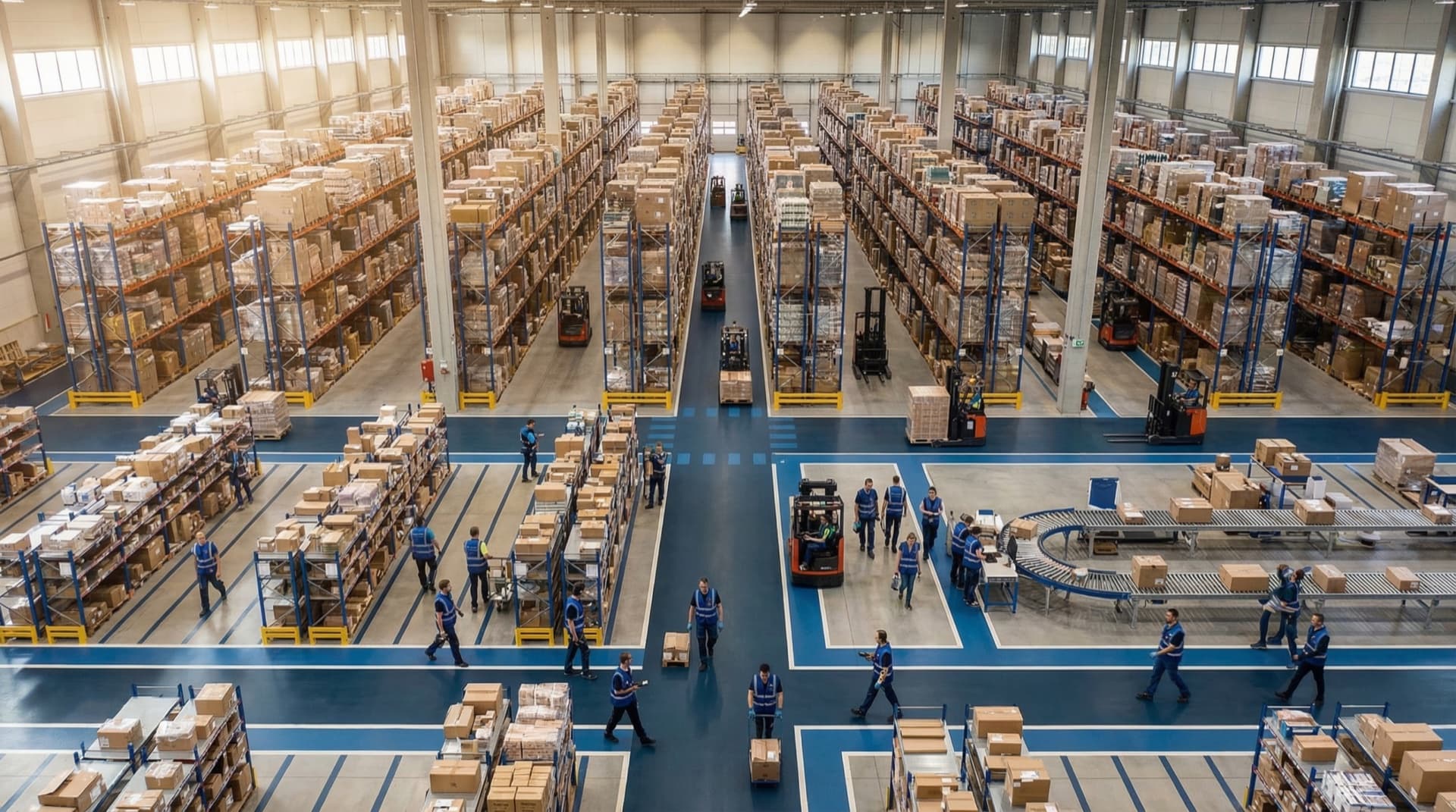
Supply chain logistics, last mile logistics, logistics supply has become essential for modern businesses. You might be wondering how some companies manage to deliver products faster, cheaper, and more reliably than their competitors. The answer often lies in how well they handle their third-party logistics operations. Supply chain logistics has become increasingly complex, with customer expectations rising and margins tightening. Meanwhile, last mile logistics continues to challenge even the most sophisticated operations, accounting for a significant portion of total delivery costs. Understanding how to optimize your logistics supply network isn’t just about staying competitive - it’s about survival in a market where efficiency determines profitability.
This guide answers the questions that supply chain professionals and logistics managers ask most frequently about 3PL operations. Whether you’re evaluating a new 3PL partnership, looking to improve an existing relationship, or trying to understand how technology can transform your logistics capabilities, you’ll find practical guidance here. We’ll explore integration strategies, tackle last mile challenges head-on, examine emerging technologies, and share approaches that have delivered real results.
What Exactly Are 3PL Operations and Why Do They Matter?
Third-party logistics operations involve outsourcing some or all of your logistics functions to a specialized provider. But that simple definition doesn’t capture the strategic importance of getting this relationship right. When you partner with a 3PL, you’re entrusting critical business functions to an external organization that directly impacts your customer experience.
How Do We Define Modern 3PL Services?
The 3PL industry has evolved far beyond basic warehousing and transportation. Today’s providers offer comprehensive services that touch nearly every aspect of your supply chain logistics operations. These services typically include:
-
Warehousing and inventory management with real-time visibility
-
Transportation management across multiple modes and carriers
-
Order fulfillment and distribution services
-
Returns processing and reverse logistics
-
Value-added services like kitting, assembly, and packaging
-
Freight forwarding and customs brokerage for international shipments
What separates effective 3PL operations from mediocre ones is the level of integration and visibility they provide. A strong 3PL partner doesn’t just move your products - they become an extension of your organization, sharing data, anticipating needs, and continuously improving processes.
What Are the Core Components That Make 3PL Work?
Successful third-party logistics operations rest on three foundational pillars: warehousing, transportation, and distribution. Each component must function well independently while also integrating smoothly with the others.
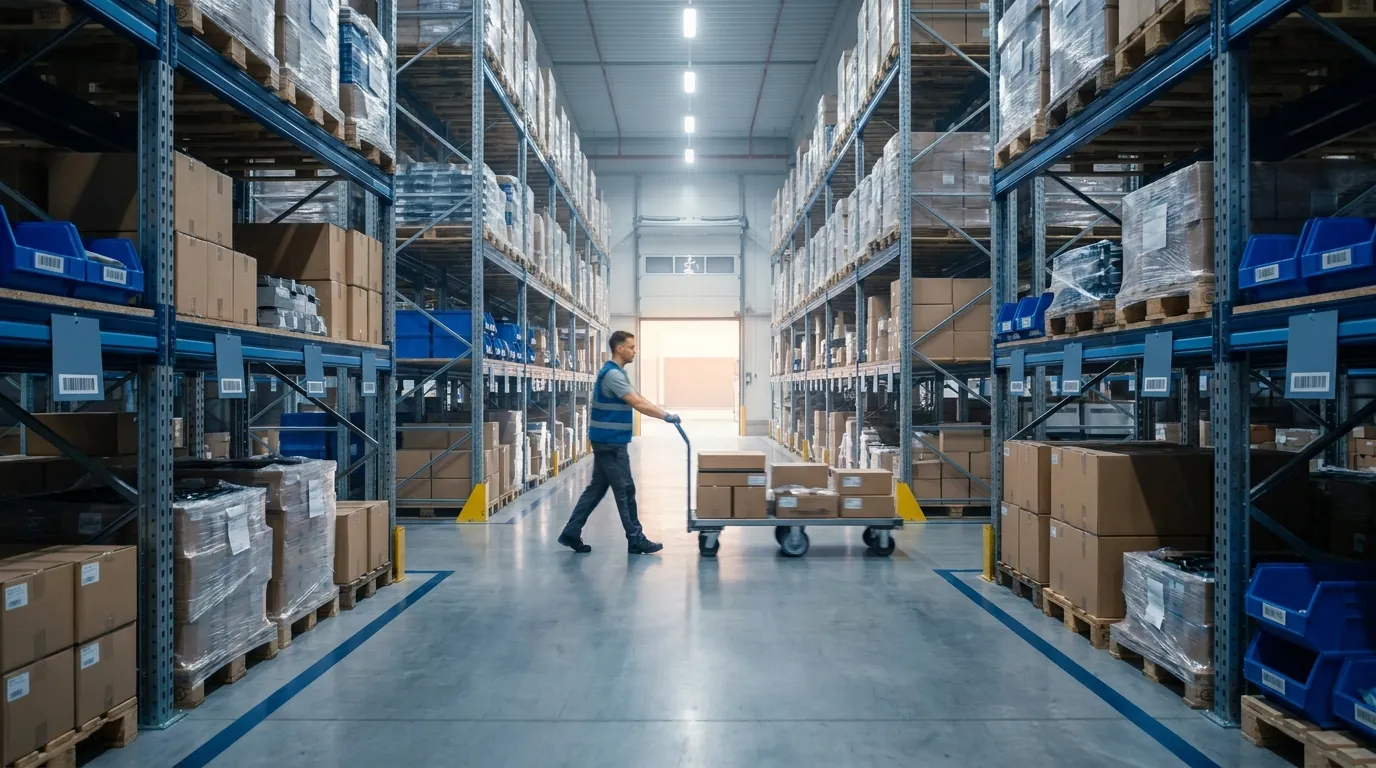
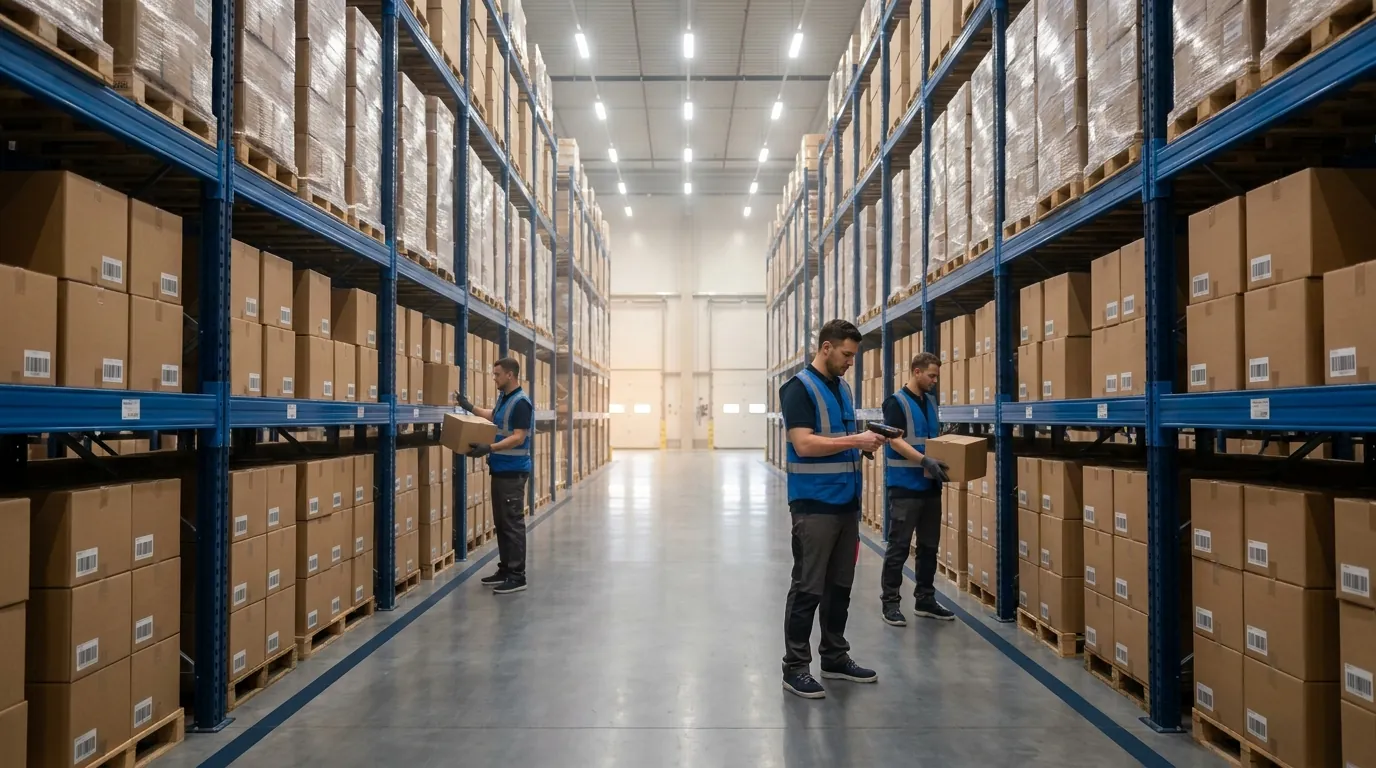
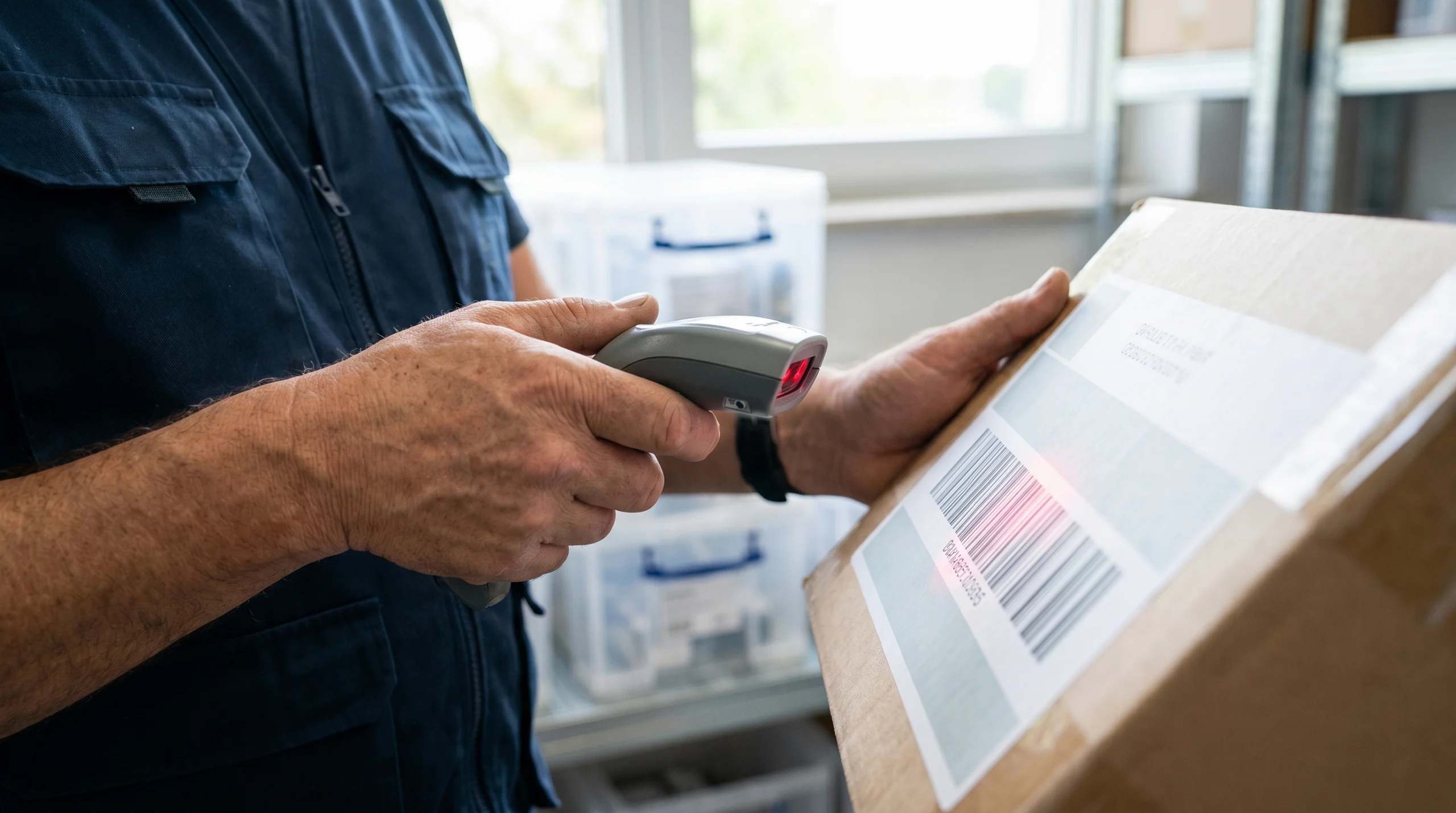
Warehousing goes beyond storing products. Modern 3PL warehouses use sophisticated warehouse management software to track inventory at the SKU level, optimize pick paths, manage multiple clients' inventory simultaneously, and provide real-time visibility into stock levels. The best operations can handle diverse product requirements - from temperature-controlled pharmaceuticals to oversized industrial equipment - within the same facility.
Transportation management involves selecting carriers, optimizing routes, consolidating shipments, and tracking deliveries. Effective 3PLs maintain relationships with multiple carriers, giving them flexibility to find capacity even during peak periods. They use transportation management systems to identify the most cost-effective shipping options while meeting service level requirements.
Distribution ties everything together, ensuring products move efficiently from origin to destination. This includes both inbound logistics - getting products to the warehouse - and outbound distribution to customers, retailers, or other endpoints. Strong distribution capabilities enable same-day or next-day delivery options that have become table stakes for many industries.
End-to-End Supply Chain Visibility
Connect demand planning, inventory control, and order management with ASCTrac's integrated platform.
Request a Demo
How Does Supply Chain Logistics Drive 3PL Success?
Supply chain logistics serves as the nervous system of 3PL operations, connecting suppliers, warehouses, transportation providers, and customers into a coordinated network. When this nervous system functions well, information flows freely, decisions happen quickly, and products arrive where they need to be, when they need to be there.
What Integration Strategies Actually Work?
Integration challenges derail more 3PL relationships than any other single factor. When systems don’t communicate effectively, you get duplicate data entry, delayed information, and decisions based on outdated facts. Successful integration requires attention to both technology and process.
On the technology side, modern supply chain logistics integration typically involves API-based connections between systems. This allows your order management system, your 3PL’s warehouse management system, and your carriers' tracking systems to share data in real time. Some organizations still rely on EDI solutions for certain transactions, particularly with larger trading partners, but API integration has become the standard for its flexibility and speed.
Process integration matters just as much as technical integration. This means establishing clear communication protocols, defining escalation paths for problems, and creating shared metrics that align incentives. Regular operational reviews help identify issues before they become crises. The most successful 3PL relationships include joint planning sessions where both parties contribute to forecasting and capacity planning.
Consider how a mid-sized distributor might approach integration. Rather than treating the 3PL as a vendor receiving orders, they would involve the 3PL in sales and operations planning meetings. The 3PL gains advance notice of promotions or anticipated demand changes, while the distributor gains insight into capacity constraints or efficiency opportunities.
What Benefits Come From Well-Coordinated Logistics?
When supply chain logistics operations run smoothly, the benefits compound across the organization. Direct cost savings come from optimized transportation, reduced inventory carrying costs, and improved labor efficiency. But the indirect benefits often exceed the direct savings.
Customer satisfaction improves when orders ship accurately and arrive on time. This reduces customer service inquiries, returns, and the hidden costs of making things right after a failure. Satisfied customers order more frequently and refer others, creating a virtuous cycle that improves revenue while reducing acquisition costs.
Well-coordinated logistics supply chains also provide resilience. When disruptions occur - and they always do - integrated operations can identify problems faster and implement workarounds more quickly. During recent supply chain disruptions, companies with strong 3PL partnerships and good visibility adapted more successfully than those operating in information silos.
Additionally, effective logistics coordination frees up internal resources to focus on core competencies. Instead of managing day-to-day logistics operations, your team can concentrate on product development, marketing, customer relationships, and strategic growth initiatives.
Why Is Last Mile Logistics So Challenging and How Can You Improve It?
Last mile logistics presents unique challenges because it’s where efficiency and customer experience collide. The final leg of delivery is often the most expensive part of the shipping process, yet it’s also the part customers experience most directly. A package might travel thousands of miles flawlessly, but if the last mile fails, that’s what the customer remembers.
What Makes Last Mile So Difficult?
Several factors combine to make last mile logistics particularly challenging. First, deliveries to residential addresses involve more stops, shorter distances between stops, and more variability than deliveries to commercial locations. A driver delivering to businesses might complete 50 stops per day with predictable access and receiving procedures. The same driver delivering to homes might complete only 25 stops while dealing with locked gates, missing recipients, and unclear delivery instructions.
Urban environments add traffic congestion, parking challenges, and access restrictions. Rural deliveries face the opposite problem - long distances between stops that reduce efficiency. And customer expectations continue to rise, with many shoppers now expecting delivery within one or two days, or even same-day in some markets.
Cost pressures squeeze last mile operations from multiple directions. Carriers face rising fuel costs, driver shortages, and insurance expenses. At the same time, retailers hesitate to pass delivery costs to customers, fearing shopping cart abandonment. This creates pressure to reduce per-delivery costs while maintaining or improving service levels.
Failed delivery attempts create particularly expensive problems. When a driver can’t complete a delivery, the package must return to a facility, get rescheduled, and go back out again. This doubles or triples the delivery cost while frustrating the customer. According to industry observers at Supply Chain Dive, failed deliveries remain one of the most pressing challenges in e-commerce logistics.
What Solutions and Technologies Are Making a Difference?
Technology offers the most promising path to improving last mile logistics performance. Route optimization software uses algorithms to sequence stops efficiently, accounting for traffic patterns, delivery time windows, and vehicle capacity. The best solutions can re-optimize routes dynamically as conditions change throughout the day.
Real-time tracking has become essential for both operational management and customer communication. GPS tracking lets dispatchers monitor driver progress and identify potential delays. Customer-facing tracking portals reduce "where’s my package" inquiries while giving recipients visibility to plan for deliveries. Some carriers now provide estimated delivery windows of one to two hours, significantly improving the customer experience.
Electronic proof of delivery eliminates paperwork while creating an auditable record of every delivery. Drivers capture signatures, photos, or other confirmation at the point of delivery. This documentation reduces disputes and helps identify patterns when problems occur.
Alternative delivery options also help address last mile challenges. Parcel lockers give customers a secure pickup location that eliminates failed delivery attempts. Delivery to workplace addresses means someone is almost always available to receive packages. Some retailers offer ship-to-store options that consolidate packages and reduce individual delivery costs.
Looking ahead, autonomous delivery vehicles and drones may eventually transform last mile logistics in certain applications. While widespread deployment remains years away, pilot programs are generating valuable data about where these technologies make sense.
What Technological Innovations Are Reshaping Logistics Supply?
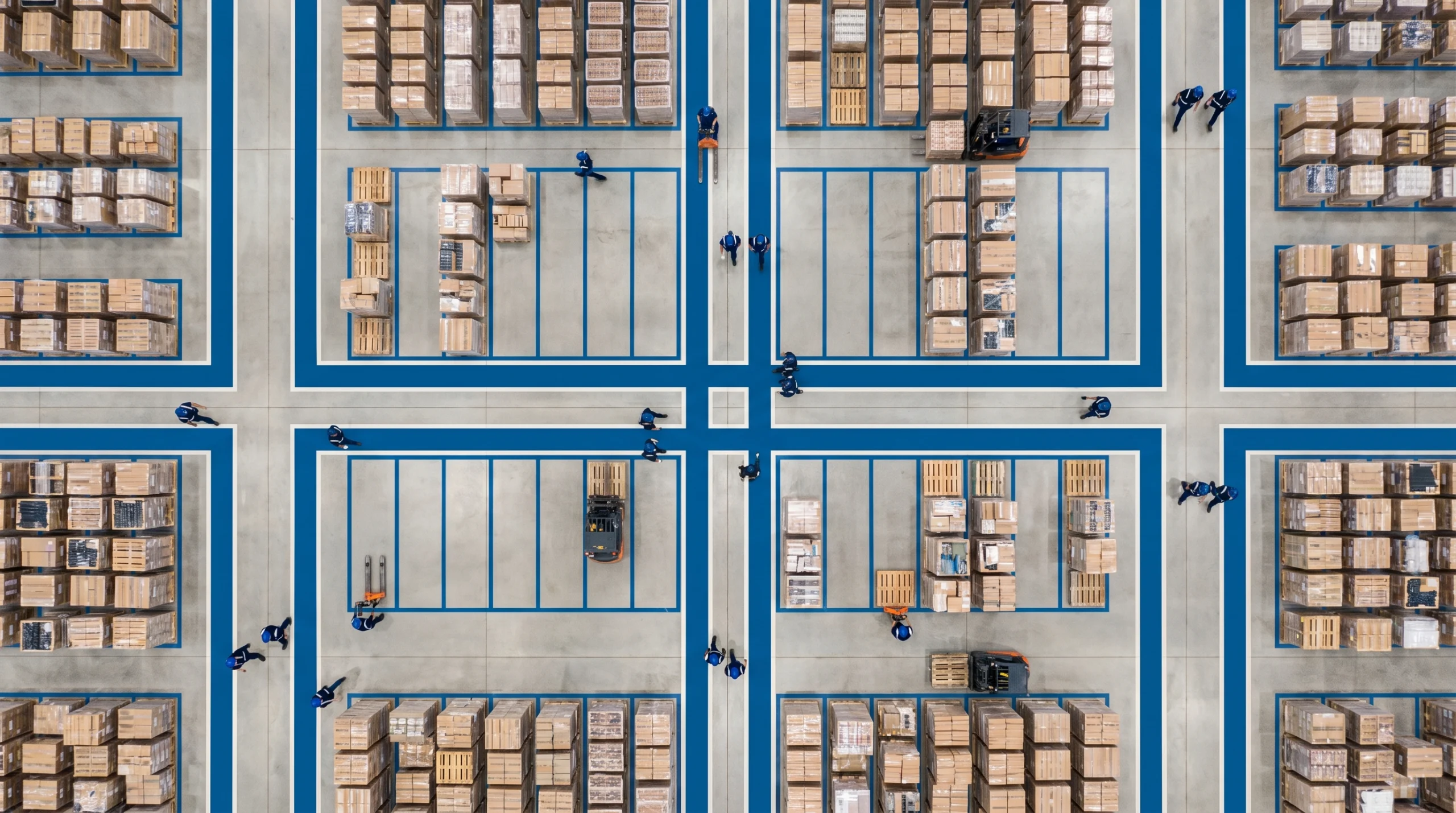
The logistics supply landscape is experiencing rapid technological change. Innovations that seemed futuristic just a few years ago are now in production use at leading organizations. Understanding these technologies helps you evaluate opportunities and prepare for what’s coming.
Which Emerging Technologies Offer the Greatest Potential?
Artificial intelligence and machine learning are finding applications throughout logistics supply chains. Demand forecasting models analyze historical data, seasonal patterns, economic indicators, and even weather forecasts to predict what customers will order. More accurate forecasts translate to better inventory positioning, reduced stockouts, and lower carrying costs.
Machine learning also powers the optimization algorithms that plan routes, allocate inventory, and schedule labor. These systems can evaluate millions of possible scenarios to identify near-optimal solutions that human planners would never find through manual analysis.
The Internet of Things brings connectivity to physical assets throughout the supply chain. Sensors track location, temperature, humidity, shock, and other conditions in real time. This visibility enables proactive intervention when conditions deviate from acceptable ranges. For temperature-sensitive products like pharmaceuticals or food and beverage products, IoT monitoring can prevent costly spoilage while providing documentation for regulatory compliance.
Robotics and automation are transforming warehouse operations. Automated storage and retrieval systems maximize space utilization while reducing labor requirements. Goods-to-person systems bring products to workers rather than requiring workers to walk to products. Collaborative robots work alongside human employees, handling repetitive tasks while humans manage exceptions.
Advanced warehouse control systems coordinate these automated elements, directing equipment, managing workflows, and responding to real-time conditions. The combination of better software and better hardware is enabling throughput and accuracy levels that weren’t possible a decade ago.
What Trends Will Shape the Future of Logistics?
Several trends are likely to accelerate in coming years. Automation will continue expanding, driven by labor availability challenges and rising wage expectations. This doesn’t necessarily mean fewer jobs - it often means different jobs, with more emphasis on technical skills and less on manual labor.
Data analytics will become even more central to logistics decision-making. Organizations that can collect, integrate, and analyze data from across their supply chain logistics networks will identify opportunities and problems faster than competitors still relying on periodic reports and spreadsheets.
Sustainability is moving from nice-to-have to business requirement. Customers, investors, and regulators increasingly expect companies to reduce environmental impact. In logistics, this translates to optimized transportation networks, electric vehicles, energy-efficient warehouses, and packaging reduction initiatives.
Resilience has gained new importance after years of supply chain disruptions. Organizations are diversifying supplier bases, holding more safety stock of critical items, and developing contingency plans for various disruption scenarios. Technology enables this resilience by providing visibility and flexibility to respond quickly when problems occur.
The shift toward omnichannel fulfillment continues reshaping logistics supply operations. Warehouses must handle both bulk shipments to stores and individual orders to consumers. The flexibility required to serve both channels efficiently demands sophisticated warehouse management capabilities and thoughtful process design.
What Obstacles Do 3PL Operations Face and How Can You Overcome Them?
Even well-designed 3PL operations encounter challenges. Understanding common obstacles helps you anticipate problems and develop strategies to address them before they impact performance.
What Are the Most Common Challenges in 3PL Relationships?
Demand variability creates ongoing challenges for 3PL operations. Forecasts are never perfect, and swings in volume stress resources in both directions. During slow periods, fixed costs spread over fewer transactions, hurting profitability. During peaks, capacity constraints can delay shipments and disappoint customers.
Communication breakdowns undermine many 3PL relationships. When expectations aren’t clearly defined, or when problems don’t get escalated quickly, small issues grow into major conflicts. Different organizations may have different assumptions about who’s responsible for what, leading to gaps in accountability.
Regulatory compliance grows more complex each year. Depending on the products and markets involved, 3PL operations may need to comply with food safety regulations, pharmaceutical handling requirements, hazmat transportation rules, customs regulations, and more. Keeping up with changing requirements demands ongoing attention and investment.
Technology integration challenges persist despite improvements in connectivity. Legacy systems, different data formats, and varying technical capabilities create friction when trying to share information across organizational boundaries. Some 3PLs still operate with outdated technology that limits visibility and efficiency.
Labor challenges affect nearly every 3PL operation. Finding, training, and retaining qualified workers has become increasingly difficult. High turnover increases training costs and reduces productivity. Competition for workers drives up wages, squeezing margins further.
What Strategies Lead to 3PL Success?
Successful organizations approach 3PL relationships as strategic partnerships rather than transactional vendor arrangements. This mindset shift influences everything from contract negotiations to daily interactions.
Start with clear expectations documented in detailed service level agreements. These SLAs should define specific, measurable performance standards with appropriate consequences for missing targets. But they should also include provisions for continuous improvement and adjustment as conditions change.
Invest in technology that enables visibility and integration. Modern systems can share data in real time, giving both parties access to the same information. This shared visibility reduces finger-pointing and enables collaborative problem-solving.
Establish regular communication rhythms that go beyond transactional updates. Weekly operational reviews catch emerging issues before they escalate. Monthly business reviews examine trends and identify improvement opportunities. Quarterly strategic sessions align on longer-term plans and investments.
Build relationships at multiple levels within both organizations. When issues arise - and they will - personal relationships facilitate faster, more productive resolution. Don’t let all communication flow through a single point of contact.
Create incentives that align interests. Cost-plus contracts give 3PLs no reason to improve efficiency. Gain-sharing arrangements, where both parties benefit from improvements, motivate continuous optimization. Performance bonuses for exceeding targets reward excellent work.
Plan for variability rather than hoping it won’t happen. Work with your 3PL to develop flexible capacity models that can scale up or down as needed. This might include cross-trained workers, temporary staffing relationships, or shared facilities that can absorb volume spikes.
What Do Successful 3PL Implementations Look Like?
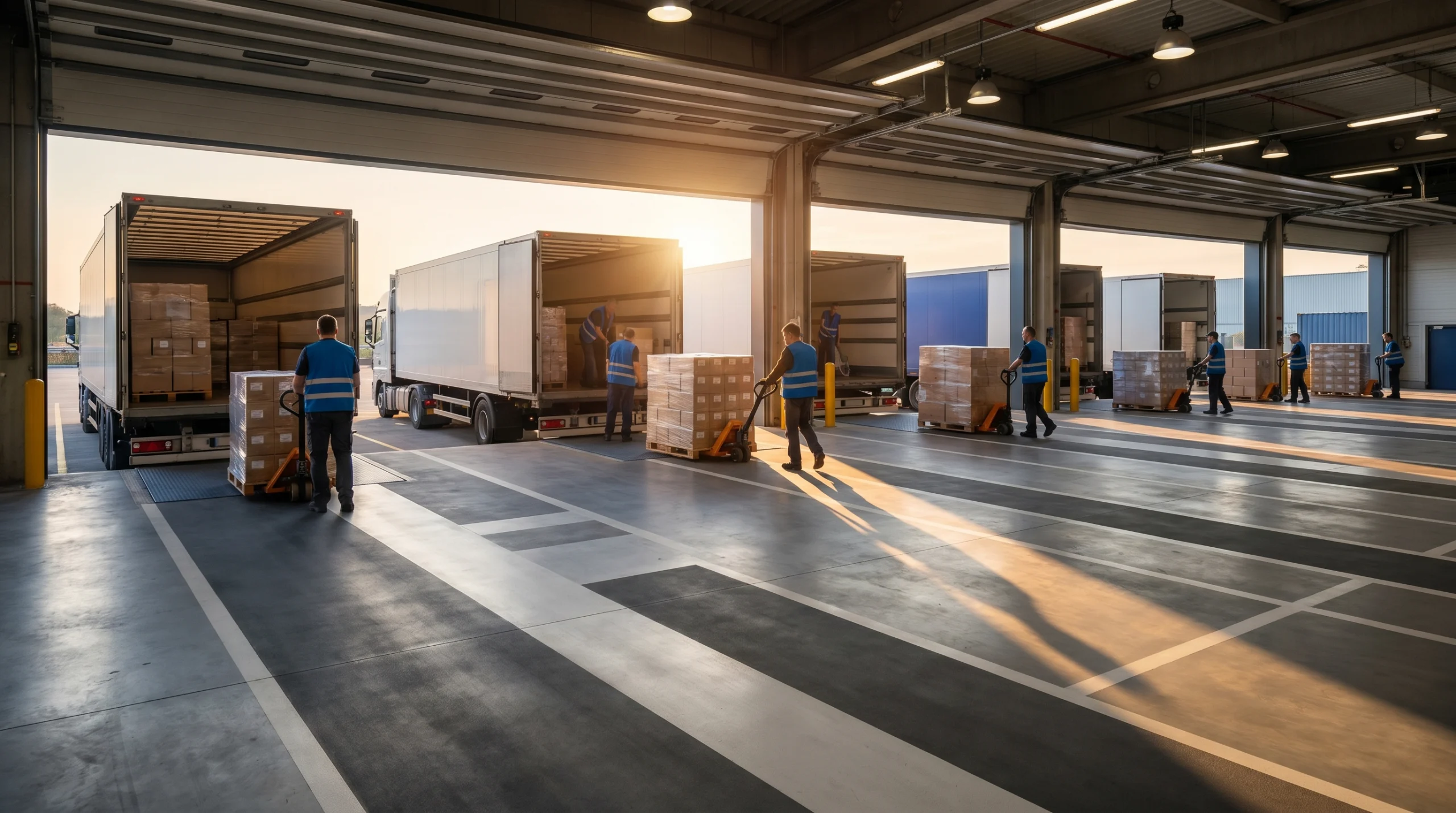
Understanding how other organizations have approached 3PL optimization provides valuable perspective. While every situation is different, certain patterns emerge from successful implementations.
How Can Retailers Improve Their Supply Chain Logistics?
Consider how a mid-sized retail company might approach supply chain logistics optimization. Such an organization might be struggling with long delivery times, inconsistent inventory accuracy, and rising logistics costs. Orders might take several days to ship after being placed, putting them at a disadvantage against competitors offering faster delivery.
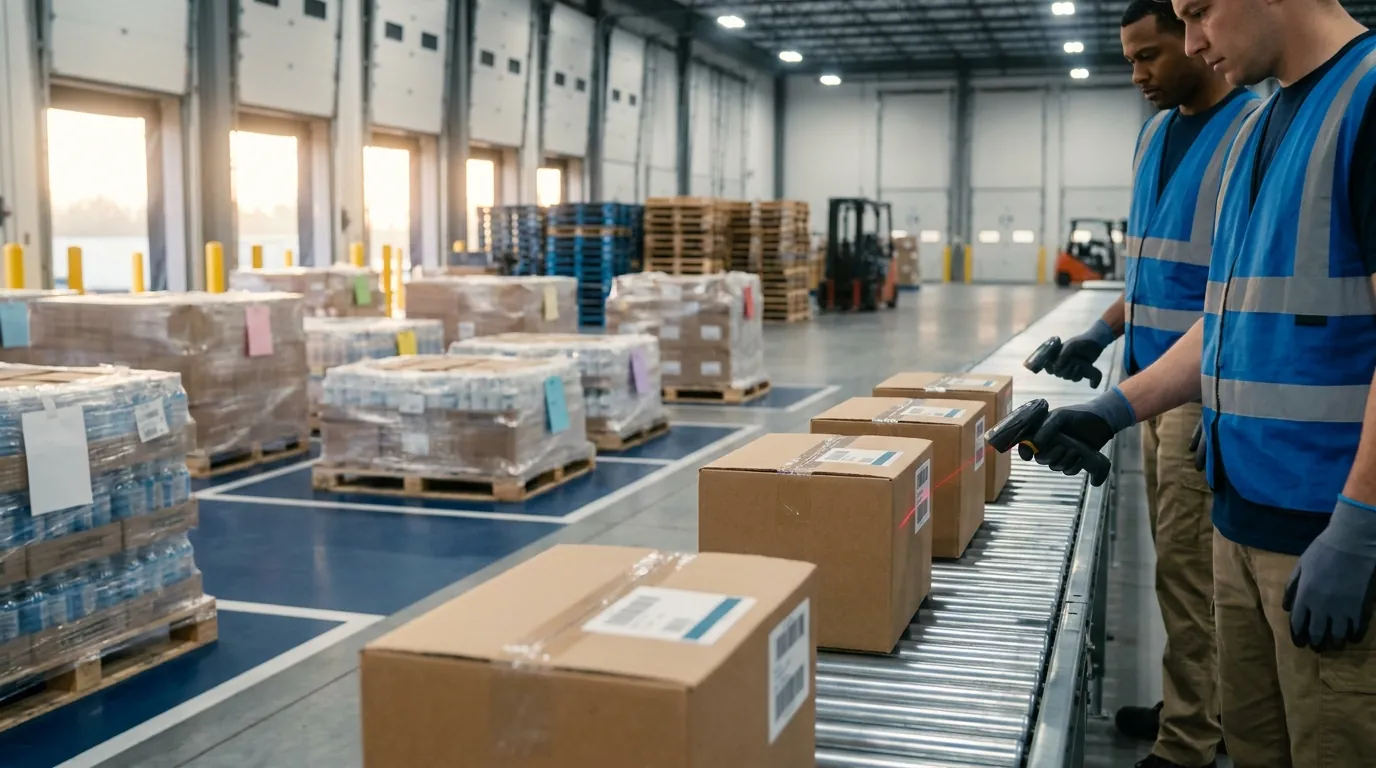
The path to improvement often starts with upgrading warehouse management technology. Modern WMS platforms provide real-time inventory visibility that older systems can’t match. They optimize pick paths, direct workers to the most efficient locations, and catch errors before products ship.
After implementing better warehouse technology, organizations typically see improvements in multiple areas. Inventory accuracy often improves significantly - from perhaps 90% to over 99% - dramatically reducing stockouts and overselling. Order processing speeds up as workers follow optimized workflows rather than searching for products.
With the warehouse running more efficiently, transportation becomes the next optimization target. Better visibility into order timing allows for more effective carrier selection and load building. Consolidating shipments where possible reduces per-unit transportation costs.
The combined effect of these improvements can be substantial. Delivery times might shrink from five days to two days. Labor costs per order often decrease as productivity improves. Customer complaints typically drop as accuracy and speed improve.
How Can E-commerce Operations Optimize Last Mile Delivery?
E-commerce operations face particular pressure on last mile logistics, where customer expectations have risen dramatically. Imagine an online retailer growing rapidly but struggling with delivery performance. Customer complaints about late deliveries might be increasing, and delivery costs as a percentage of revenue might be climbing unsustainably.
Effective optimization often begins with better data. Analyzing delivery performance by carrier, region, and service level reveals patterns that inform improvement efforts. Some carriers might perform well in urban areas but struggle in rural zones. Certain delivery time windows might have higher success rates than others.
Route optimization software can make a significant difference. Instead of dispatching deliveries based on order sequence or geographic clusters, sophisticated algorithms consider traffic patterns, delivery time windows, vehicle capacity, and driver capabilities. The result is more deliveries per route with fewer miles driven.
Addressing failed deliveries often yields quick wins. Implementing proactive delivery notifications lets customers know when to expect packages. Offering delivery scheduling lets customers choose times when they’ll be available. Providing alternative delivery locations - lockers, stores, or alternate addresses - reduces failures when home delivery won’t work.
These improvements compound over time. As on-time delivery rates improve, customer satisfaction increases. Higher satisfaction leads to more repeat purchases and referrals. Better route efficiency reduces per-delivery costs. The combination creates both better financial performance and improved competitive position.
Industry publications like Logistics Management regularly feature coverage of organizations making similar improvements, demonstrating that these results are achievable with the right approach and technology.
Taking the Next Step in Your 3PL Operations
Optimizing 3PL operations requires attention to multiple interconnected elements. Your supply chain logistics capabilities determine how well information and products flow across your network. Your approach to last mile logistics directly impacts customer satisfaction and delivery costs. The technology supporting your logistics supply chain either enables or constrains what’s possible.
The organizations that excel at 3PL operations share certain characteristics. They treat logistics as a strategic capability rather than a necessary cost. They invest in technology that provides visibility and enables optimization. They build partnerships rather than transactional relationships. And they commit to continuous improvement, knowing that competitive advantage comes from sustained effort rather than one-time initiatives.
Your next step depends on where you are in your logistics journey. If you’re evaluating 3PL partnerships, focus on finding providers whose capabilities and culture align with your needs. If you’re working with existing 3PLs, examine how better integration and technology might improve performance. If you’re exploring new capabilities, consider how emerging technologies might transform your operations.
Whatever your situation, better warehouse management technology often serves as a foundation for broader logistics improvement. Accurate inventory, efficient operations, and real-time visibility enable improvements throughout the supply chain.
Ready to explore how improved technology could enhance your 3PL operations? Contact ASC Software for a personalized consultation to discuss your specific challenges and opportunities. Our team can help you evaluate options and develop a path forward that fits your situation.
You can also explore our logistics and warehouse solutions to see how modern technology supports the optimization strategies discussed in this guide. Whether you’re focused on warehouse efficiency, transportation management, or end-to-end supply chain visibility, understanding what’s possible is the first step toward improvement.
Frequently Asked Questions
What is supply chain logistics and why is it important?
Supply chain logistics involves managing the flow of goods from suppliers to customers. It is crucial because it ensures products are delivered efficiently, meeting customer expectations and reducing costs. Effective supply chain logistics can improve a company’s competitiveness by optimizing inventory levels and transportation routes. In today’s market, where efficiency and speed are vital, mastering supply chain logistics is essential for business success.
How does last mile logistics impact delivery costs?
Last mile logistics significantly impacts delivery costs as it often represents the most expensive part of the supply chain. This stage involves delivering products from a transportation hub to the final destination, requiring careful planning and coordination. Efficient last mile logistics can reduce costs by optimizing delivery routes and minimizing delays. Companies that excel in this area can offer faster delivery times, enhancing customer satisfaction and loyalty.
Why are logistics supply networks crucial for businesses?
Logistics supply networks are crucial because they ensure the efficient movement of goods and materials. They play a vital role in maintaining product availability and meeting customer demands. A well-optimized logistics supply network can reduce operational costs and improve service levels. In competitive markets, having a robust logistics supply network is essential for sustaining profitability and gaining a competitive edge.
What are the core components of 3PL services?
The core components of 3PL services include warehousing, transportation, and distribution. These services support various logistics functions such as inventory management, order fulfillment, and returns processing. A successful 3PL partner integrates seamlessly with a company’s operations, offering real-time visibility and data sharing. By outsourcing these components, businesses can focus on their core competencies while ensuring efficient logistics operations.
How can technology transform supply chain logistics?
Technology can transform supply chain logistics by enhancing efficiency and visibility across operations. Advanced technologies like IoT, AI, and blockchain provide real-time data, enabling better decision-making and process optimization. Automation tools can streamline tasks such as inventory management and order processing, reducing errors and costs. By adopting these technologies, companies can improve their logistics performance and adapt to changing market demands more effectively.