
We’ve all been there. You’re walking through your pharmaceutical warehouse, clipboard in hand, when that familiar knot forms in your stomach. Is the temperature monitoring system calibrated correctly? Did the new hire complete their documentation training? When was the last time someone verified those storage conditions? If these questions keep you up at night, you’re not alone. Navigating pharmaceutical warehouse compliance standards, building a reliable pharmaceutical warehouse compliance checklist, and implementing practical pharmaceutical warehouse compliance guidelines can feel overwhelming, but it doesn’t have to be.
The reality is that pharmaceutical warehouse compliance sits at the intersection of patient safety, regulatory requirements, and operational efficiency. One missed detail can cascade into product recalls, regulatory action, or worse, compromised patient health. But here’s the thing that experienced compliance officers know: a systematic approach transforms this daunting challenge into a manageable daily practice.
This guide walks you through everything you need to know about building and maintaining compliance in your pharmaceutical warehouse. We’ll explore the standards that matter, create actionable checklists, examine real-world scenarios, and look at how technology is reshaping compliance management. By the end, you’ll have a clear roadmap for strengthening your compliance posture.
Understanding Pharmaceutical Warehouse Compliance Standards
Sound familiar? You receive notice of an upcoming audit, and suddenly everyone scrambles to verify that documentation is complete and processes are being followed. This reactive approach creates unnecessary stress and increases the risk of non-compliance findings. The solution starts with truly understanding the standards you’re working within.
Pharmaceutical warehouse compliance standards exist to protect the integrity of medications from the moment they leave manufacturing facilities until they reach patients. These aren’t arbitrary rules dreamed up by regulators. They represent decades of learning from incidents where inadequate storage or handling compromised drug safety.
The Critical Role of Compliance in Pharmaceutical Operations
Think about what’s actually at stake. A temperature excursion that goes undetected could render an entire shipment of vaccines ineffective. Cross-contamination between products could create serious patient safety issues. Documentation gaps could make it impossible to trace products during a recall situation.
Beyond patient safety, compliance directly impacts your business operations:
- Regulatory penalties can reach into the millions of dollars for serious violations
- Warning letters and consent decrees can restrict your ability to operate
- Supply chain partners increasingly require demonstrated compliance as a condition of doing business
- Insurance costs and liability exposure increase with compliance gaps
Working with pharmaceutical distribution solutions that understand these requirements from the ground up makes a significant difference in how smoothly your compliance program runs.
Key Standards Every Pharmaceutical Warehouse Must Know
The foundation of pharmaceutical warehouse compliance guidelines rests on several interconnected regulatory frameworks. While specific requirements vary by jurisdiction and the types of products you handle, certain standards apply broadly.
Good Distribution Practice (GDP) provides the framework for proper distribution of medicinal products. GDP covers everything from premises requirements to transportation conditions, documentation practices, and personnel qualifications. The World Health Organization’s quality assurance guidelines offer comprehensive international standards that inform GDP requirements worldwide.
Good Manufacturing Practice (GMP) extends into warehousing when you’re handling products that require specific storage conditions to maintain their manufactured quality. Temperature-sensitive biologics, controlled substances, and sterile products all carry GMP requirements that affect warehouse operations.
The FDA’s drug guidance and compliance information provides detailed requirements for facilities operating in the United States market. These include Drug Supply Chain Security Act (DSCSA) requirements for serialization and tracing.
Additional standards that may apply to your operation include:
- DEA requirements for controlled substance storage and documentation
- State board of pharmacy regulations for wholesale distribution
- USP guidelines for temperature monitoring and storage
- ISO standards for quality management systems
Purpose-Built for Pharmaceutical Compliance
ASCTrac helps pharmaceutical operations stay GMP-compliant with lot tracking, serialization, and DSCSA-ready workflows.
Request a Demo
Building Your Pharmaceutical Warehouse Compliance Checklist
Here’s where the rubber meets the road. A pharmaceutical warehouse compliance checklist isn’t just a box-ticking exercise. It’s your daily defense against compliance drift. When properly designed and consistently used, your checklist becomes the backbone of your compliance program.
The most effective checklists share common characteristics: they’re comprehensive enough to catch issues but practical enough that staff actually use them. They’re organized logically around your operational flow. And they’re living documents that evolve as regulations change and you learn from experience.
Essential Elements Every Compliance Checklist Must Include
Your pharmaceutical warehouse compliance checklist should address these core areas:
Temperature and Environmental Monitoring
- Verification that all monitoring devices are calibrated and functioning
- Review of temperature logs for excursions or concerning trends
- Confirmation that alert systems are operational
- Documentation of any deviations and corrective actions taken
- Verification of backup power systems for critical storage areas
Storage Conditions and Organization
- Proper segregation of quarantined, rejected, and recalled products
- Correct storage of controlled substances in secured areas
- Verification that products are stored according to label requirements
- Clean and organized storage areas free from pest evidence
- Proper FIFO/FEFO rotation practices being followed
Documentation and Record-Keeping
- Receiving documentation complete and accurate
- Lot tracking information properly recorded
- Serialization data captured and verified as required
- Training records current for all personnel
- Standard operating procedures accessible and up to date
Security and Access Control
- Access logs reviewed for unauthorized entry attempts
- Security camera systems functioning properly
- Visitor logs maintained with appropriate documentation
- Controlled substance access limited to authorized personnel
Integrating your compliance checklist with your warehouse management software can automate many verification steps and create audit trails that demonstrate consistent compliance.
Organizing Your Checklist for Daily Use
The best checklist in the world fails if it sits in a binder collecting dust. Design your pharmaceutical warehouse compliance checklist with practical use in mind.
Consider organizing checklists by frequency:
Start-of-shift checks should take no more than 15 minutes and focus on critical systems. Temperature monitoring, security status, and any overnight alerts fall into this category.
Throughout-shift verifications happen as part of normal operations. Receiving inspections, picking accuracy checks, and documentation completion fit here.
End-of-shift closeout confirms that the facility is secured, all documentation is complete, and any issues from the day are properly logged for follow-up.
Weekly and monthly audits provide deeper verification of compliance status. Equipment calibration checks, SOP reviews, and training verification typically happen on these schedules.

Guidelines for Maintaining Compliance Every Day
Creating your pharmaceutical warehouse compliance guidelines is one thing. Living them every day is another matter entirely. We’ve seen operations with beautifully documented procedures that bear little resemblance to what actually happens on the warehouse floor. The gap between written policy and daily practice is where compliance failures occur.
Sustainable compliance requires embedding practices into your operational DNA. It means making the compliant way the easy way, so staff naturally follow procedures rather than working around them.
Daily Compliance Practices That Actually Work
Effective daily compliance starts with clear ownership. Every check on your pharmaceutical warehouse compliance checklist should have someone responsible for completing it. Vague accountability leads to missed tasks and finger-pointing when auditors arrive.
Build verification into your workflow rather than treating it as a separate activity. When staff receive a shipment, the compliance checks should be a natural part of the receiving process, not an afterthought. When they pick orders, verification steps should flow seamlessly with picking activities.
Visual management helps maintain awareness. Color-coded storage areas, clear signage about temperature requirements, and visible status boards for compliance metrics keep everyone focused on the standards they need to meet.
Exception management deserves particular attention. What happens when someone discovers a temperature excursion? When a shipment arrives with damaged packaging? When documentation is incomplete? Your pharmaceutical warehouse compliance guidelines should include clear escalation paths and decision trees for common exceptions.
Using a comprehensive warehouse management system helps enforce compliance by guiding users through required steps and preventing process shortcuts that could create compliance gaps.
Training and Development That Sticks
Annual compliance training that everyone forgets the moment it’s complete serves no one. Effective training programs for pharmaceutical warehouse compliance standards look different.
Start with role-specific training. Your receiving clerks need deep knowledge of incoming inspection requirements, while your shipping team needs expertise in documentation for outbound products. Everyone needs baseline compliance awareness, but detailed training should match job responsibilities.
Make training ongoing rather than annual. Short refreshers on specific topics, incorporated into team meetings or shift huddles, keep compliance front of mind. When regulations change or you update procedures, targeted training on those specific changes works better than comprehensive retraining.
Document everything. Training records should show not just that someone completed training, but what specific topics they covered and demonstrated competency in. This documentation becomes critical during audits and helps identify gaps when issues arise.
Consider cross-training to build bench strength. When only one person understands a critical compliance process, you’re vulnerable to their absence creating compliance gaps.
Real-World Compliance Scenarios and Solutions
Theory is helpful, but learning from practical scenarios brings pharmaceutical warehouse compliance guidelines to life. Let’s examine how organizations have approached common compliance challenges.
Scenario: Implementing Serialization Requirements
Consider a mid-sized pharmaceutical distributor facing DSCSA serialization requirements. They handled thousands of products daily but lacked systems to capture and verify serial numbers at the unit level. Their existing processes relied heavily on paper documentation and manual data entry.
The path forward involved several key steps. First, they mapped their current processes to identify every point where serialization data needed to be captured or verified. This revealed gaps they hadn’t anticipated, particularly in returns processing and inventory adjustments.
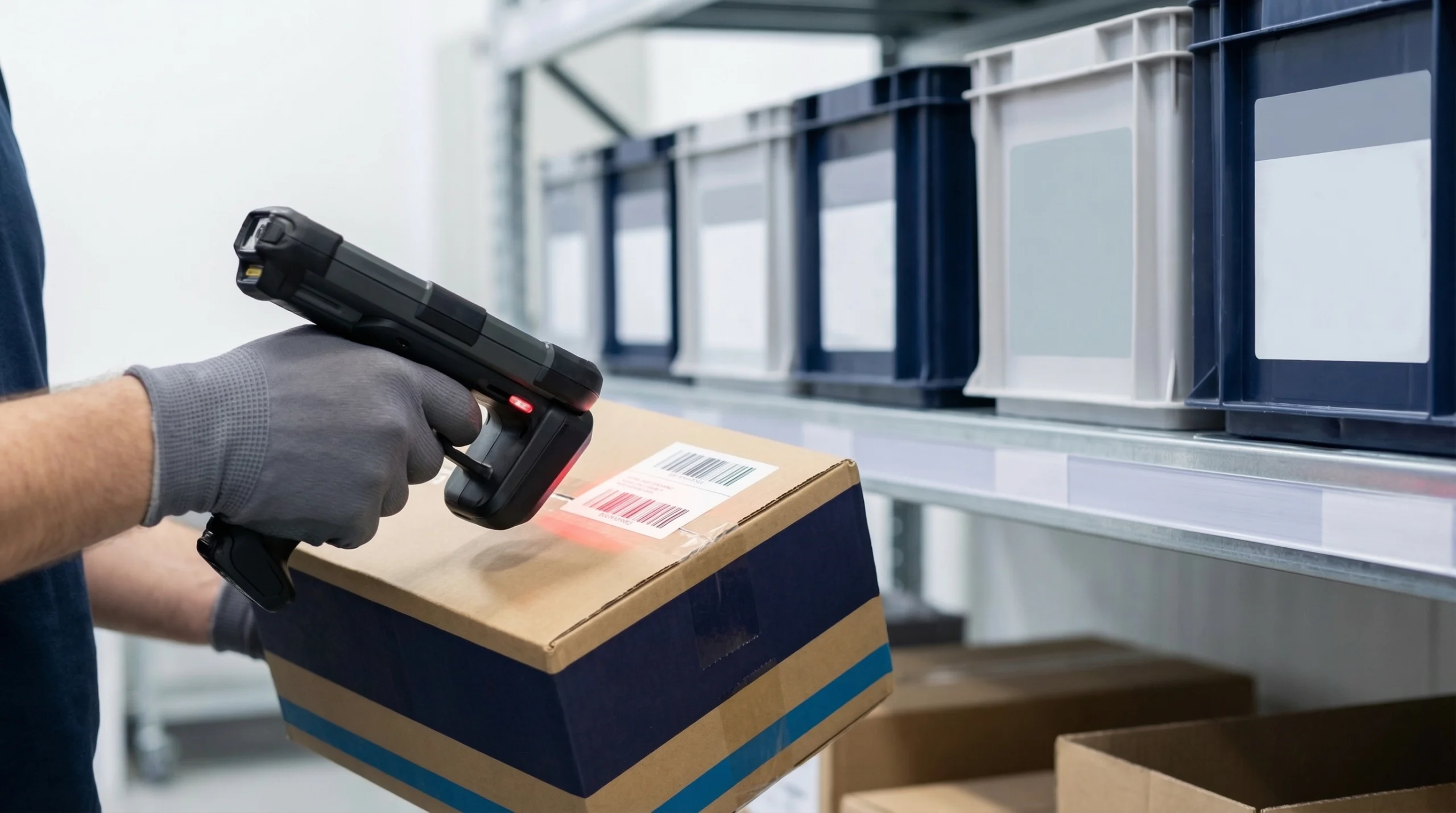
Next, they evaluated technology solutions that could integrate serialization verification into their existing workflows without dramatically slowing operations. Handheld scanners at receiving docks, integration between their warehouse management system and serialization database, and automated exception flagging became priority investments.
Training presented another challenge. Staff accustomed to scanning outer cases suddenly needed to scan individual units in certain situations. The rollout included hands-on practice time and clear job aids showing when unit-level scanning was required.
The implementation took several months, but the result was a verifiable chain of custody for every serialized product moving through their facility. Beyond meeting regulatory requirements, they found the improved visibility helped them identify and address inventory discrepancies more quickly.
Scenario: Recovering from Temperature Control Failures
Imagine a distribution center experiencing a refrigeration failure over a holiday weekend. By the time staff discovered the problem Monday morning, temperature-sensitive products had been exposed to conditions outside their required range for over 36 hours.
Their response demonstrated both effective crisis management and the importance of prevention. Immediate steps included isolating all potentially affected products, documenting the timeline and extent of the excursion, and notifying quality assurance for product disposition decisions.
Investigation revealed that while their monitoring system had detected the temperature rise, the alert notifications failed to reach anyone because contact lists hadn’t been updated after recent staffing changes. The monitoring equipment worked as designed, but the human systems around it broke down.
Corrective actions included implementing redundant alert pathways, establishing a 24/7 on-call rotation for critical alerts, adding backup refrigeration capacity, and revising their pharmaceutical warehouse compliance checklist to include regular verification that alert contacts were current.
The financial impact of the product loss was significant, but the lessons learned prevented future occurrences. They also discovered that their insurance coverage for temperature-related losses had specific requirements about monitoring and response that they weren’t fully meeting, which led to policy updates.
Future Trends Reshaping Pharmaceutical Warehouse Compliance
The compliance environment never stands still. Understanding where requirements and capabilities are heading helps you prepare for tomorrow’s challenges while meeting today’s needs.
Emerging Technologies Transforming Compliance
Several technological developments are changing how pharmaceutical warehouses approach compliance.
Internet of Things (IoT) sensors are becoming more affordable and capable. Rather than checking temperatures a few times daily, continuous monitoring with immediate alerting becomes practical. Sensors can track not just temperature but humidity, light exposure, vibration during handling, and other environmental factors that affect product quality.
Blockchain technology offers new approaches to supply chain traceability. While still maturing for pharmaceutical applications, distributed ledger systems could eventually provide tamper-proof documentation of product handling from manufacturer to patient. Early adopters are exploring how blockchain might simplify compliance verification across trading partners.
Artificial intelligence and machine learning applications are emerging for compliance monitoring. Systems can analyze patterns in temperature data to predict equipment failures before they cause excursions. They can review documentation for anomalies that might indicate problems. They can optimize storage locations based on product requirements and handling patterns.
Advanced serialization and tracing requirements continue expanding. The ability to track individual product units throughout the supply chain becomes increasingly important as regulators push for greater transparency.
The Growing Role of Automation in Compliance
Automation addresses one of the fundamental challenges in pharmaceutical warehouse compliance standards: human variability. People get tired, distracted, or rushed. They take shortcuts under pressure. They make honest mistakes.
Automated systems perform the same way every time. Barcode verification at receiving either passes or fails, there’s no judgment call about whether a label is readable enough. Automated storage systems place products in locations that match their environmental requirements without relying on someone to read and interpret label instructions.
Even in operations that aren’t ready for full automation, partial automation improves compliance. Automated data capture eliminates transcription errors. Automated alerts ensure critical conditions get attention. Automated reporting reduces the burden of compliance documentation.
Integration between automated systems and warehouse control solutions creates compliance by design. When the system physically prevents non-compliant actions rather than relying on people to remember procedures, compliance rates improve dramatically.
The trend toward automation also addresses workforce challenges. Finding and retaining staff with pharmaceutical compliance expertise grows more difficult. Automation reduces dependence on specialized knowledge by embedding that expertise into system logic.
Moving Forward with Confidence
Pharmaceutical warehouse compliance doesn’t have to feel like walking a tightrope. With the right pharmaceutical warehouse compliance checklist, clear pharmaceutical warehouse compliance guidelines, and thorough understanding of pharmaceutical warehouse compliance standards, you can build a program that protects patients, satisfies regulators, and supports efficient operations.
The key is treating compliance as an operational discipline rather than a periodic audit preparation exercise. When compliance practices are woven into daily activities, when staff understand not just what to do but why it matters, when technology supports rather than complicates compliance efforts, the burden lightens considerably.
Remember that you’re not alone in this work. Industry associations, regulatory guidance documents, technology partners, and peer networks all offer resources for strengthening your compliance program. The organizations that excel at compliance typically engage actively with these resources rather than trying to figure everything out independently.
Start where you are. If your current compliance program has gaps, address the highest-risk areas first. Build momentum through incremental improvements rather than trying to overhaul everything at once. Celebrate progress while maintaining focus on continuous improvement.
Ready to strengthen your pharmaceutical warehouse compliance program? Contact ASC Software to discuss how modern warehouse management solutions can support your compliance goals. Our team understands the unique requirements of pharmaceutical distribution and can help you build systems that make compliance easier to achieve and maintain.
For a comprehensive look at how technology can transform your warehouse operations, explore ASC Software’s solutions designed for regulated industries. From receiving through shipping, the right systems make compliance second nature rather than a constant struggle.
Frequently Asked Questions
What is a pharmaceutical warehouse compliance checklist?
A pharmaceutical warehouse compliance checklist is a tool used to ensure adherence to industry standards. It includes items like temperature monitoring, documentation, and storage conditions. By systematically checking these elements, warehouses can maintain compliance and avoid regulatory issues. Regular updates to the checklist may be necessary to reflect changes in regulations or operational practices.
Why are pharmaceutical warehouse compliance standards important?
Pharmaceutical warehouse compliance standards are crucial for ensuring medication integrity and patient safety. They prevent issues like temperature excursions and cross-contamination, which can compromise drug efficacy. Adherence to these standards also protects businesses from regulatory penalties and product recalls. By following established guidelines, warehouses can maintain operational efficiency and safeguard public health.
How do pharmaceutical warehouse compliance guidelines affect operations?
Pharmaceutical warehouse compliance guidelines impact operations by dictating processes that ensure product safety and regulatory adherence. These guidelines help streamline procedures, reduce error rates, and facilitate smooth audits. Compliance can also prevent costly penalties and protect against product recalls. Implementing these guidelines effectively can enhance both operational efficiency and reputation in the industry.
What should be included in a pharmaceutical warehouse compliance checklist?
A pharmaceutical warehouse compliance checklist should include temperature monitoring, documentation training, and storage condition verification. These elements ensure adherence to regulatory standards and protect product integrity. Regularly reviewing and updating the checklist can help address any changes in compliance requirements. This proactive approach reduces the risk of non-compliance findings during audits.
How can technology improve pharmaceutical warehouse compliance?
Technology can enhance pharmaceutical warehouse compliance by automating monitoring and documentation processes. Systems like temperature sensors and digital records reduce human error and ensure real-time compliance tracking. This automation allows for immediate corrective actions, minimizing risks of non-compliance. Additionally, technology can streamline audits by providing easy access to necessary documentation and data.