





Pharma Warehouse Management Systems: An Efficiency Guide
Kurt AdamsPublished: March 10, 2026 | Updated: May 2, 20269 minutes
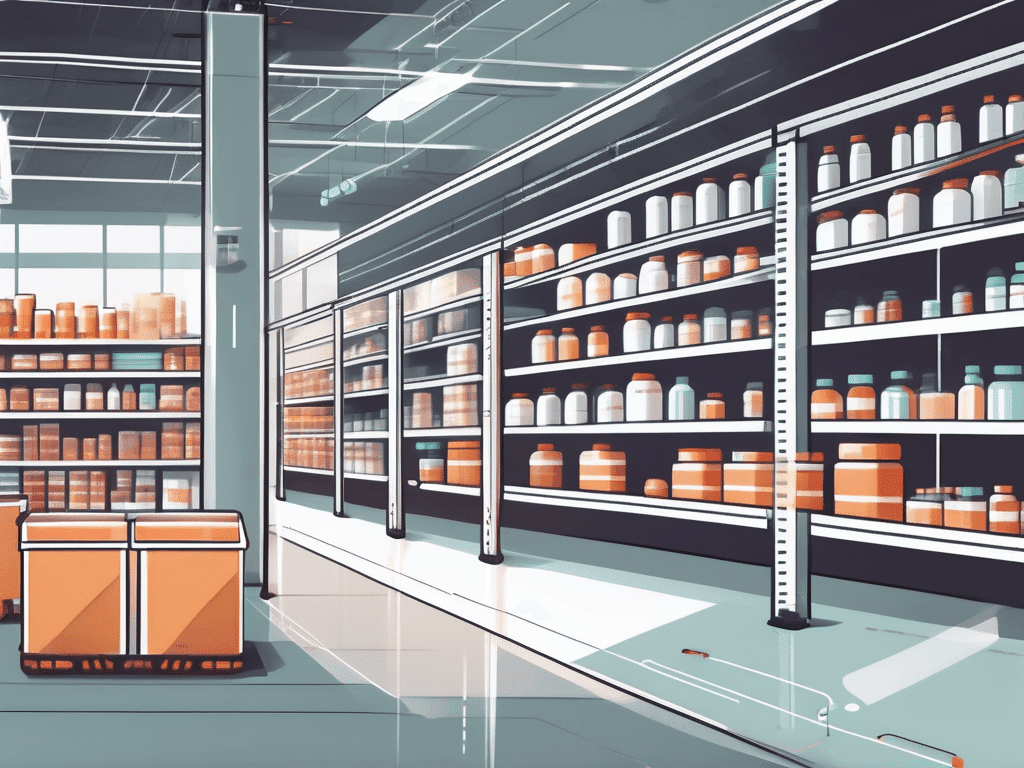
In today’s fast-paced pharmaceutical industry, optimizing warehouse management systems (WMS) is crucial for enhancing efficiency. A well-designed WMS can significantly improve the overall productivity and reduce costs in pharma warehousing operations. This comprehensive guide explores the key features of pharma WMS, emphasizes the importance of efficiency in pharma warehousing, provides strategies for enhancing efficiency, discusses challenges faced by warehouse managers, and discusses the future of pharma WMS.
Understanding Pharma Warehouse Management Systems
Pharma Warehouse Management Systems are software applications specifically tailored to meet the unique needs of pharmaceutical warehousing. These systems integrate various processes and technologies to effectively manage inventory, track shipments, and ensure compliance with regulatory standards. By utilizing real-time data and advanced analytics, pharma WMS enables warehouse managers to make informed decisions and streamline operations.
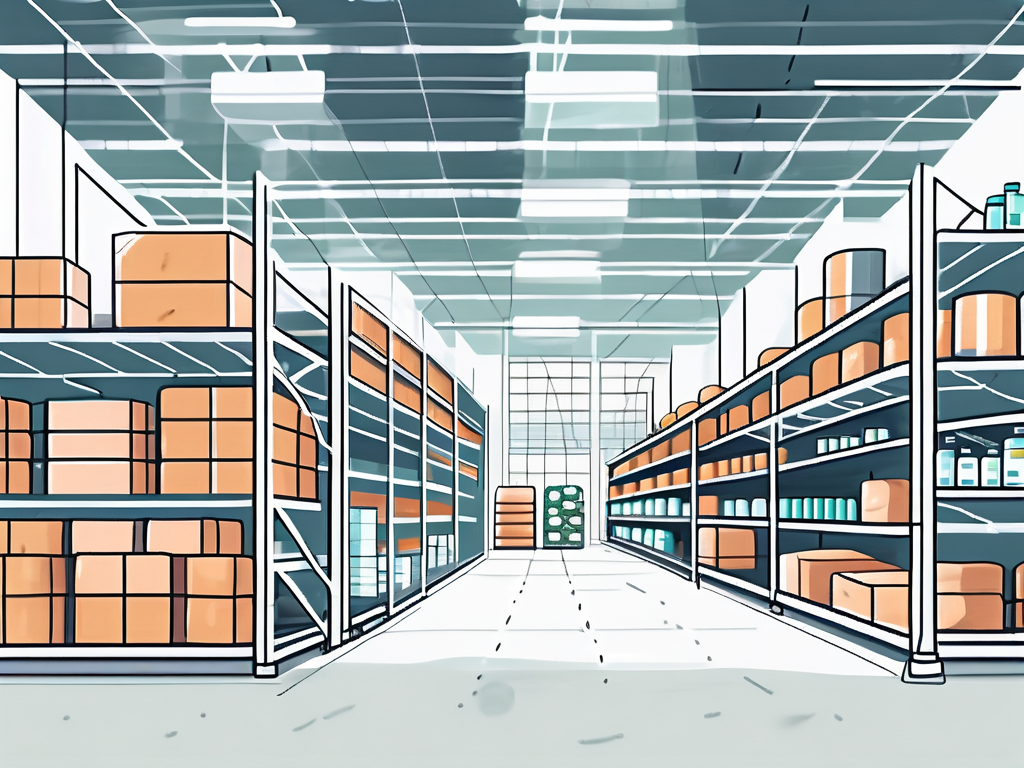
Key Features of Pharma Warehouse Management Systems
A comprehensive pharma WMS typically includes features such as:
-
Inventory management: Efficient tracking and management of inventory levels and expiration dates.
-
Order fulfillment: Seamless processing of customer orders and timely shipment of products.
-
Batch and lot control: Effective tracking and traceability of pharmaceutical products.
-
Temperature control: Monitoring and maintaining appropriate temperature conditions for storage.
-
Integration capabilities: Smooth integration with other systems like ERP and CRM for seamless data flow.
These features are crucial for pharmaceutical warehouses to ensure smooth operations and compliance with industry regulations. Inventory management, for instance, plays a vital role in maintaining the integrity of pharmaceutical products. With the ability to efficiently track inventory levels and expiration dates, warehouse managers can prevent stockouts and minimize waste. This not only saves costs but also ensures that patients receive medications on time.
Another key feature of pharma WMS is order fulfillment. Timely processing and shipment of customer orders are essential in the pharmaceutical industry, where delays can have serious consequences. By streamlining the order fulfillment process, warehouse managers can ensure that medications reach patients when they need them the most. This improves patient satisfaction and strengthens the reputation of pharmaceutical companies.
The Role of Pharma Warehouse Management Systems in Efficiency
Efficiency is the cornerstone of successful pharma warehousing. A robust WMS plays a pivotal role in enhancing efficiency by optimizing various processes. It enables accelerated order processing, minimizes errors, reduces stockouts, and ensures accurate inventory management. With real-time visibility into inventory levels, warehouse managers can anticipate demand patterns, improve inventory turnover rates, and minimize waste.
Moreover, the integration capabilities of pharma WMS allow seamless data flow between different systems, such as ERP and CRM. This integration eliminates the need for manual data entry and reduces the risk of errors. By automating processes and ensuring accurate data exchange, warehouse managers can save time and focus on strategic decision-making.
In conclusion, pharma warehouse management systems are essential tools for pharmaceutical warehouses. With their comprehensive features and ability to enhance efficiency, these systems enable warehouse managers to effectively manage inventory, track shipments, and ensure compliance with regulatory standards. By investing in a robust WMS, pharmaceutical companies can optimize their operations and deliver high-quality medications to patients in a timely manner.
Purpose-Built for Pharmaceutical Compliance
ASCTrac helps pharmaceutical operations stay GMP-compliant with lot tracking, serialization, and DSCSA-ready workflows.
Request a Demo
The Importance of Efficiency in Pharma Warehousing
Efficiency is not just a buzzword in the context of pharma warehousing; it directly impacts a company’s bottom line. By enhancing efficiency, pharmaceutical companies can improve customer satisfaction, reduce costs, and gain a competitive edge. Streamlined operations result in faster order fulfilment, shorter lead times, reduced labor costs, and improved overall performance.
Ensuring efficiency in pharma warehousing involves a comprehensive approach that encompasses various aspects of operations. From the moment raw materials or finished products are received to the point of distribution, each step plays a crucial role in maintaining efficiency. Utilizing advanced technologies such as automated storage and retrieval systems (AS/RS) and warehouse management systems (WMS) can significantly enhance operational efficiency by optimizing storage space, automating processes, and improving inventory accuracy.
Impact of Efficiency on Pharma Warehousing Operations
An efficient pharma warehouse translates into seamless supply chain operations. With faster processing times and accurate inventory management, companies can fulfill orders promptly and reduce the risk of costly stockouts. This efficiency extends beyond order fulfillment; it affects all aspects of pharma warehousing, including receiving, put-away, picking, packing, and shipping.
Furthermore, efficient pharma warehousing operations contribute to regulatory compliance and quality control. Properly organized warehouses with efficient processes reduce the likelihood of errors, contamination, or product mix-ups, ensuring that pharmaceutical products are stored and handled according to strict regulatory standards. This not only enhances operational efficiency but also safeguards the integrity and safety of the products being stored.
Efficiency and Cost-Effectiveness in Pharma Warehousing
Efficiency and cost-effectiveness go hand in hand in the world of pharma warehousing. By optimizing processes and leveraging technology, companies can reduce labor costs, minimize errors, and lower carrying costs associated with excess inventory. Additionally, effective inventory management helps prevent expired products, further reducing financial losses. Operating with high efficiency ultimately leads to improved profit margins.
Moreover, investing in sustainable practices within pharma warehousing operations can lead to long-term cost savings and environmental benefits. Implementing energy-efficient lighting, recycling programs, and eco-friendly packaging solutions not only reduce operational costs but also demonstrate a commitment to corporate social responsibility. These initiatives align with the growing emphasis on sustainability within the pharmaceutical industry and can enhance the company’s reputation among environmentally conscious consumers and stakeholders.
Strategies for Enhancing Efficiency in Pharma Warehousing
Adopting strategies to enhance efficiency is essential for warehouse managers. Here are two proven strategies:

Implementing Technology in Pharma Warehousing
One of the most effective ways to enhance efficiency is to leverage technology. Implementing a pharma WMS offers numerous advantages, including real-time visibility into inventory, automation of manual tasks, and accurate demand forecasting. By embracing emerging technologies like RFID and barcode scanning, warehouse managers can improve inventory accuracy and streamline picking processes.
Moreover, integrating automated systems such as robotic process automation (RPA) and artificial intelligence (AI) can further optimize operations in pharma warehousing. RPA can handle repetitive tasks with precision and speed, while AI can analyze data patterns to provide insights for better decision-making. These advanced technologies not only enhance efficiency but also pave the way for future innovations in warehouse management.
Streamlining Pharma Warehouse Processes
Streamlining processes involves eliminating bottlenecks and optimizing workflow. Conducting regular process reviews allows warehouse managers to identify inefficiencies and implement solutions. By reorganizing storage layouts, improving picking routes, and implementing standardized operating procedures, companies can achieve substantial efficiency gains.
Furthermore, fostering a culture of continuous improvement within the warehouse team can lead to ongoing enhancements in efficiency. Encouraging employee feedback, providing regular training on new processes, and incentivizing innovative ideas can create a dynamic environment where efficiency is constantly prioritized and improved upon. By empowering employees to actively participate in process optimization, warehouse managers can drive sustainable efficiency gains in pharma warehousing.
Challenges in Pharma Warehouse Management
Despite the benefits of pharma WMS, warehouse managers often face challenges that impact efficiency. Two of the commonly encountered challenges are:
Overcoming Common Obstacles in Pharma Warehousing
Pharma warehousing comes with its fair share of obstacles. These include regulatory compliance, product expiration, and stringent temperature control requirements. Warehouse managers must develop strategies to overcome these challenges by implementing robust quality control measures, ensuring proper product rotation, and closely monitoring temperature-controlled storage areas.
Addressing Regulatory Compliance in Pharma Warehousing
The pharmaceutical industry is highly regulated, and compliance is paramount. Warehouse managers must navigate complex regulations, such as Good Distribution Practices (GDP) and FDA guidelines, to ensure integrity and safety throughout the supply chain. Implementing a pharma WMS that offers comprehensive compliance features and audit trails goes a long way in addressing regulatory challenges.
Furthermore, in the realm of pharmaceutical warehouse management, another critical challenge that warehouse managers often encounter is the need for stringent security measures. Given the high value and sensitive nature of pharmaceutical products, warehouses must implement strict access controls, surveillance systems, and inventory tracking mechanisms to prevent theft, tampering, or unauthorized access. These security measures not only safeguard the products but also help maintain regulatory compliance by ensuring the integrity of the supply chain.
Utilizing Technology for Enhanced Efficiency
With the advancement of technology, warehouse managers in the pharmaceutical industry are increasingly turning to automation and digital solutions to enhance efficiency and accuracy in warehouse operations. Implementing technologies such as RFID tracking, automated inventory management systems, and real-time monitoring tools can streamline processes, reduce human error, and improve overall productivity. Embracing these technological advancements can help overcome operational challenges and ensure smooth functioning of pharma warehouses.
The Future of Pharma Warehouse Management Systems
As technology continues to advance, the future of pharma WMS holds exciting prospects for enhancing efficiency. Two emerging trends that are poised to revolutionize the industry are:

Emerging Trends in Pharma Warehouse Management
Artificial Intelligence (AI) and Machine Learning (ML) are gradually making their way into pharma warehousing. AI algorithms can analyze vast amounts of data to provide actionable insights, improve demand forecasting accuracy, and optimize inventory levels. ML algorithms can identify patterns and suggest process improvements. Embracing these technologies will transform how pharma warehouses operate.
The Role of AI and Machine Learning in Pharma Warehousing
AI and ML have the potential to automate routine tasks, enhance decision-making processes, and provide real-time visibility into operations. Predictive analytics powered by AI can identify potential bottlenecks and suggest proactive measures to prevent them. Machine Learning algorithms enable continuous improvement by learning from data patterns over time. These technologies will pave the way for more agile and efficient warehouse operations.
In conclusion, enhancing efficiency in pharma warehousing is essential for companies to stay competitive in the ever-evolving pharmaceutical landscape. Pharma Warehouse Management Systems play a crucial role in improving efficiency by integrating various processes, optimizing inventory management, and streamlining operations. By embracing emerging technologies and addressing challenges, warehouse managers can pave a path towards a more efficient future.
Frequently Asked Questions
What makes pharma warehouse management different from standard warehousing?
Pharmaceutical warehousing requires strict temperature control, lot-level traceability, expiration date management, and compliance with FDA regulations and Good Manufacturing Practices (GMP). Every product movement must be documented for audit purposes, and storage conditions must be continuously monitored to protect product integrity.
How does a WMS help with FDA compliance in pharmaceutical warehousing?
A WMS enforces compliance by automating lot and serial tracking, managing FIFO and FEFO rotation rules, maintaining complete chain-of-custody records, and generating audit-ready documentation. It also supports serialization requirements and ensures that products are stored in validated temperature zones.
What role does temperature monitoring play in pharma warehousing?
Temperature monitoring is critical because many pharmaceutical products degrade or lose efficacy outside their specified storage range. A WMS integrated with IoT temperature sensors can trigger alerts when conditions deviate from acceptable ranges, helping prevent costly product losses and compliance violations.
What are the key metrics for measuring pharma warehouse efficiency?
Important metrics include inventory accuracy, order accuracy, on-time shipment rate, temperature excursion incidents, cycle count variance, dock-to-stock time, and regulatory audit findings. Tracking these KPIs helps identify improvement opportunities while maintaining compliance standards.
How does serialization affect pharmaceutical warehouse operations?
Serialization requires scanning and recording unique identifiers for individual product units at each handling step. This adds verification points throughout receiving, storage, picking, and shipping but significantly improves traceability for recalls and helps combat counterfeit products in the supply chain.